Get your free personalized podcast brief
We scan new podcasts and send you the top 5 insights daily.
Research found that non-content words (pronouns, articles), which are used unconsciously, are powerful predictors of mental health. For instance, increased use of "I" and "me" signals an inward focus common in distress, offering a more reliable signal than a person's explicit statements about their feelings.

Related Insights
The words you repeatedly use to describe experiences train your brain's emotional default state. If you use words like "duty," you'll condition yourself to feel burdened, whereas words like "opportunity" create a more positive baseline you unconsciously return to.

There is a significant disconnect between our internal emotional state, our physical motor patterns, and the language we use to describe our feelings. These three streams of behavior only correlate at about 0.2, meaning what someone says they feel often doesn't align with their body language.

Blinking is a highly reliable physiological indicator. Blink rate spikes dramatically under stress (up to 85-90 per minute) but drops to almost zero during periods of intense focus or engagement (2-3 per minute). This allows for a quick, accurate read on someone's internal state.

Asking "How are you?" often elicits a reflexive "fine." Using a 1-5 scale (where 1 is a crisis and 5 is euphoric) bypasses this, providing a simple, concrete language for people, especially teens, to express their actual state. This creates a shorthand for seeking help and helps identify patterns in emotional well-being over time.

Psychiatrist Mimi Winsberg explains that pronoun choice in texts is a window into personality. People who use second-person pronouns ("you," "your") tend to be more agreeable and conscientious, making them better long-term partners. Conversely, heavy use of "I" can be a marker for depression.
By providing context about a person's psychological state (e.g., Borderline Personality Disorder), an LLM can reframe toxic or aggressive messages. It translates the surface-level hostility into the underlying insecurity driving it, enabling a more empathetic and productive response.

The brain regions processing language also control core bodily functions like heart rate, hormones, and the immune system. Consequently, the words you use have a direct, physiological effect on others. A kind word can calm, while a hateful one can trigger a resource-depleting threat response.
A Quantitative EEG (QEEG) or "brain map" analyzes brainwave patterns to identify cognitive struggles and even sleep quality. Practitioners can often describe a person's core challenges with surprising accuracy, providing objective data before any subjective report is given.

Psychologists can predict the severity of a person's depressive and anxious symptoms not by the content of their trauma, but by the form of their narrative. Recurring, stuck narratives, or what is called the "same old story," correlate with poorer mental health outcomes.
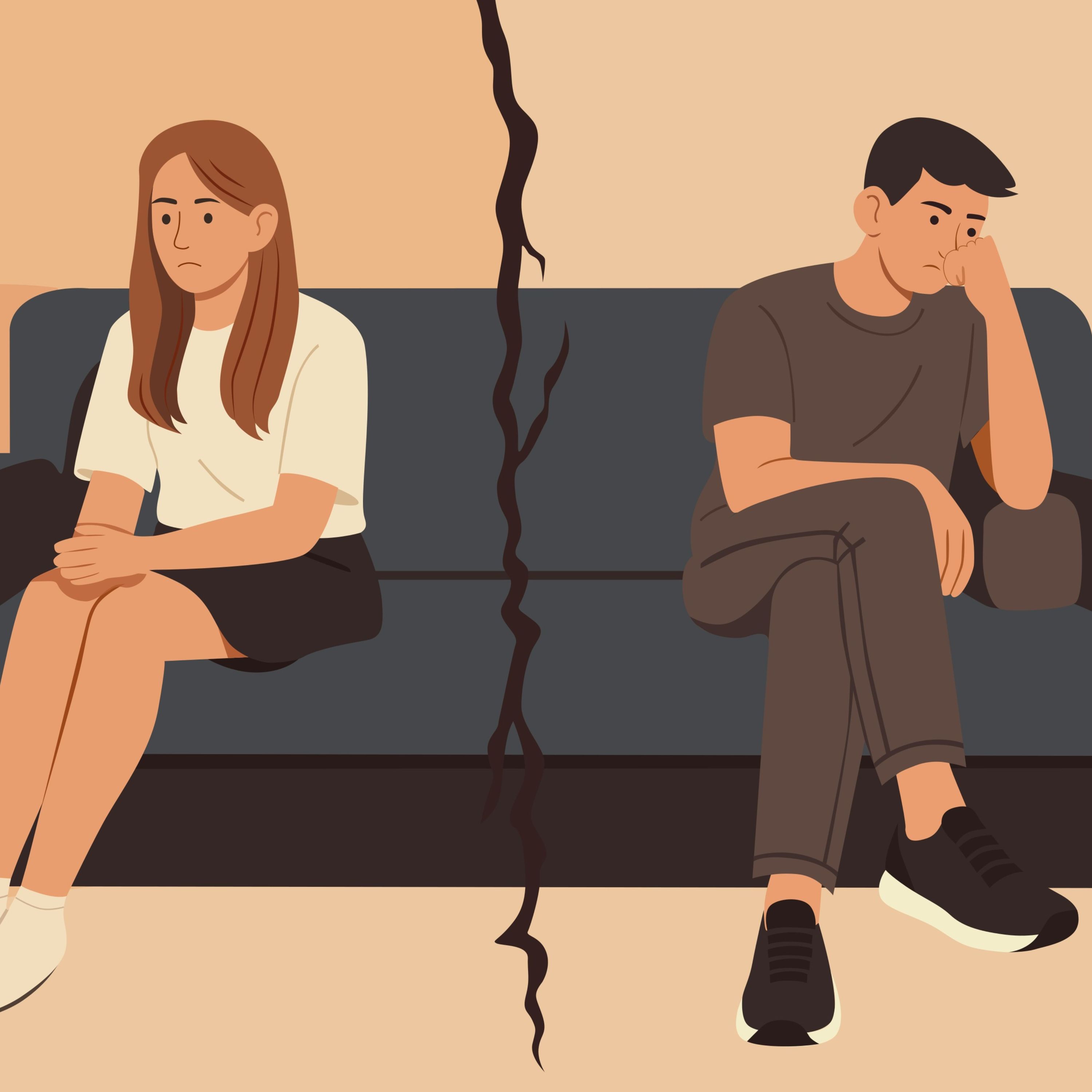
To gauge conversational friction, observe "pace" on two levels. First is the literal speed of someone's speech. The second, more subtle level is the pace at which they push the conversation's content forward. A rush on either level can indicate a desire to end the discussion, signaling underlying tension.
