Get your free personalized podcast brief
We scan new podcasts and send you the top 5 insights daily.
When the distributor UNFI required a 30-40 store minimum, Justin Gold bypassed them by offering direct delivery and shelf-stocking services to a single Whole Foods store. This "do things that don't scale" approach got his foot in the door at a key retailer.

Related Insights
Alave's founders turned down a nationwide launch with Whole Foods, opting for a smaller, regional rollout instead. This counterintuitive move allowed them to mitigate risk, learn the retailer's systems in a controlled environment, and build a sustainable foundation before scaling. This proved crucial when a cyber attack hit their distributor.
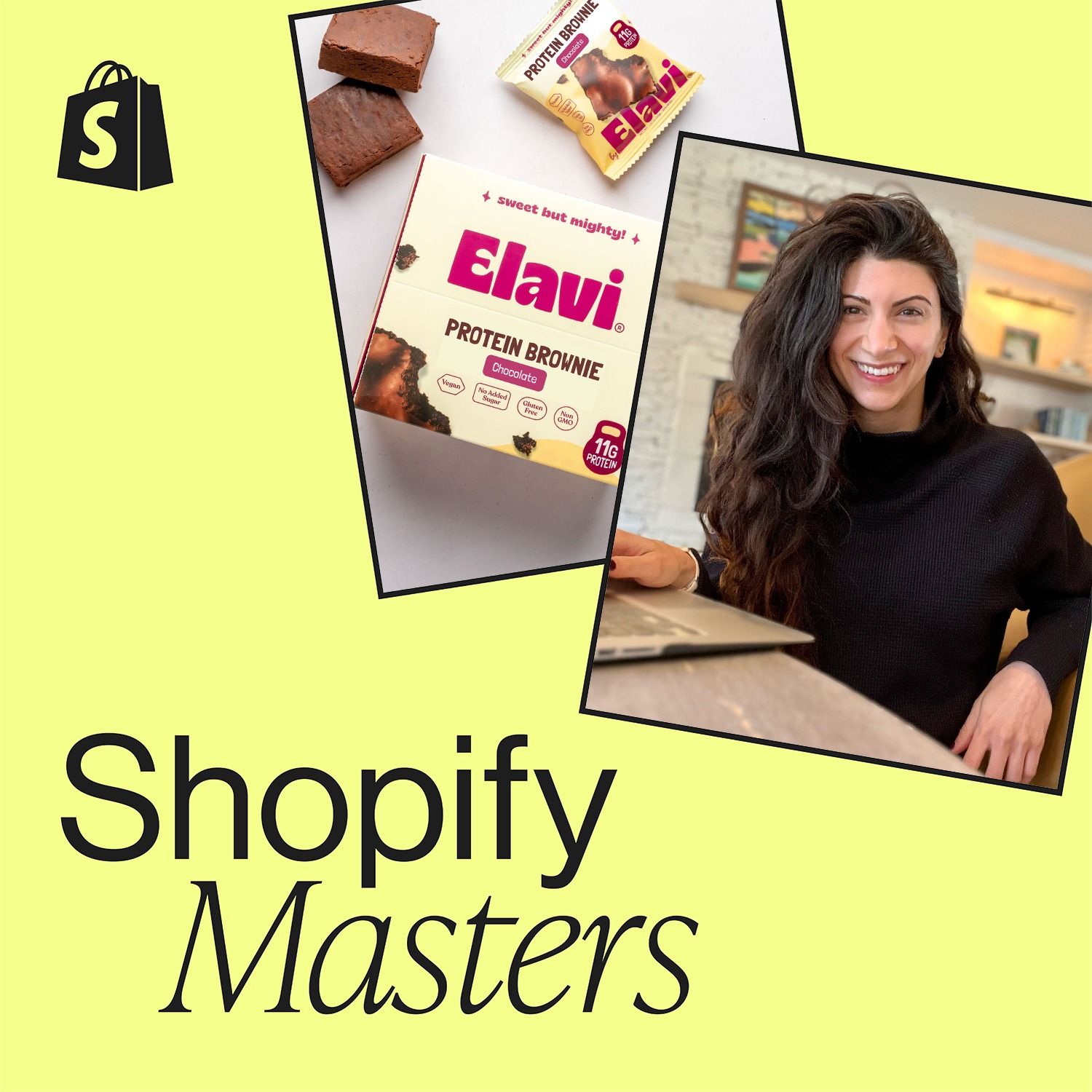
Early-stage founders can bypass slow, formal buying processes by approaching retailers directly. Jim Cregan of Jimmy's Iced Coffee secured a key listing at Whole Foods by simply walking into their HQ without an appointment and letting the product's compelling design speak for itself.

Getting into one local Whole Foods wasn't just a sale; it was a key. Travis immediately leveraged that single, high-credibility placement to persuade other local retailers to carry his product. He understood that one prestigious "yes" acts as powerful social proof, creating a domino effect for distribution.
When Trader Joe's refused to provide a product catalog, the Instacart team spent $20,000 to buy one of every single item in the store. They then photographed everything to create the catalog themselves, an unscalable action that unlocked a key retailer and helped find product-market fit.
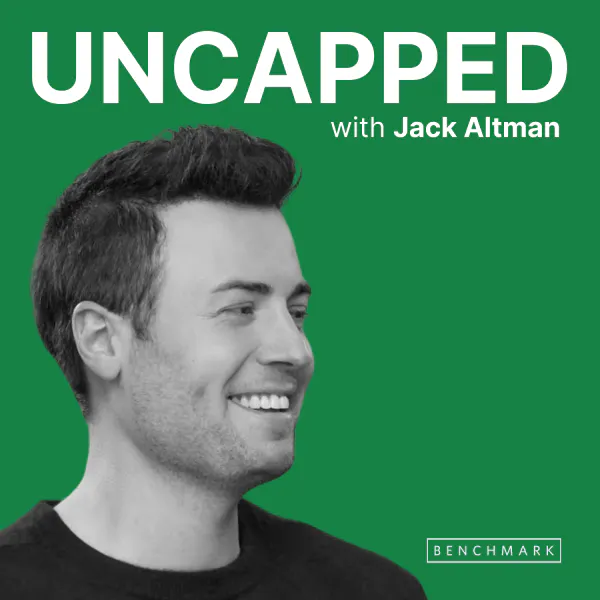
Beryl Stafford's big break with Whole Foods wasn't a cold pitch. The bakery manager was already a customer, buying the bars from a small, local co-op. This proves the strategy of dominating a small local market first can create pull from larger retailers.
Jane Wurwand advises a premium food startup to avoid large supermarkets early on. Big chains demand high volume and have long payment cycles that can crush a new business. Instead, focus on small, high-end local grocers where the brand story can shine and payment terms are more manageable.
For Vital Farms' first Whole Foods order, Matt was short on eggs. He ended up pulling warm, fresh eggs from under hens, hand-washing them, and shrink-wrapping the pallet himself on the back of the semi-truck. This shows that in the early days, landing a key account requires scrappiness and that 'done' is better than 'perfect'.
Instead of focusing solely on capital, founders should bring on an experienced industry advisor. This person's relationships with major retailers can unlock distribution channels and strategic growth, as seen with Justin's Nut Butter, providing more immediate value than just a cash injection.
An unconventional distribution model, like in-person park drops, is a strategic tool for early founders. It creates a rare opportunity for direct, face-to-face feedback on product and purchasing motivation before scaling into retail channels where that intimate customer connection is lost.
Instead of only focusing on corporate buyers, CPG brands should build relationships with individual store managers. A manager who becomes an advocate for your product can carry more weight internally than a cold outreach to headquarters.