Get your free personalized podcast brief
We scan new podcasts and send you the top 5 insights daily.
Unlike other media, podcasts benefit from a powerful distribution mechanism: the RSS feed. Long-running shows accumulate subscribers who automatically download new episodes, creating a durable advantage and a high barrier to entry for newcomers. This makes established podcasts valuable acquisition targets.

Related Insights
Unlike ephemeral social media posts, a podcast's episode library is an evergreen asset. The speaker notes that 50% of her monthly downloads come from old episodes, creating a system that generates value 24/7 and compounds over time, long after the initial creation effort.

The rise of video podcasts streamed on platforms like YouTube means podcasting is converging with television. However, podcasts maintain a significantly lower production cost, creating a massive financial arbitrage opportunity. This dynamic makes large podcasts highly valuable media assets.
Blockworks is focusing its distribution on podcasts and newsletters to cultivate an "owned" audience with high loyalty. This is a strategic pivot away from relying on news-driven website visits, which constitute a less predictable "rented" audience that is harder to monetize for new data products.

While 4 million podcasts exist, only 357,000 have published in the last 30 days. This 91% abandonment rate means new, consistent creators face far less competition than statistics suggest, effectively walking into wide-open territory.
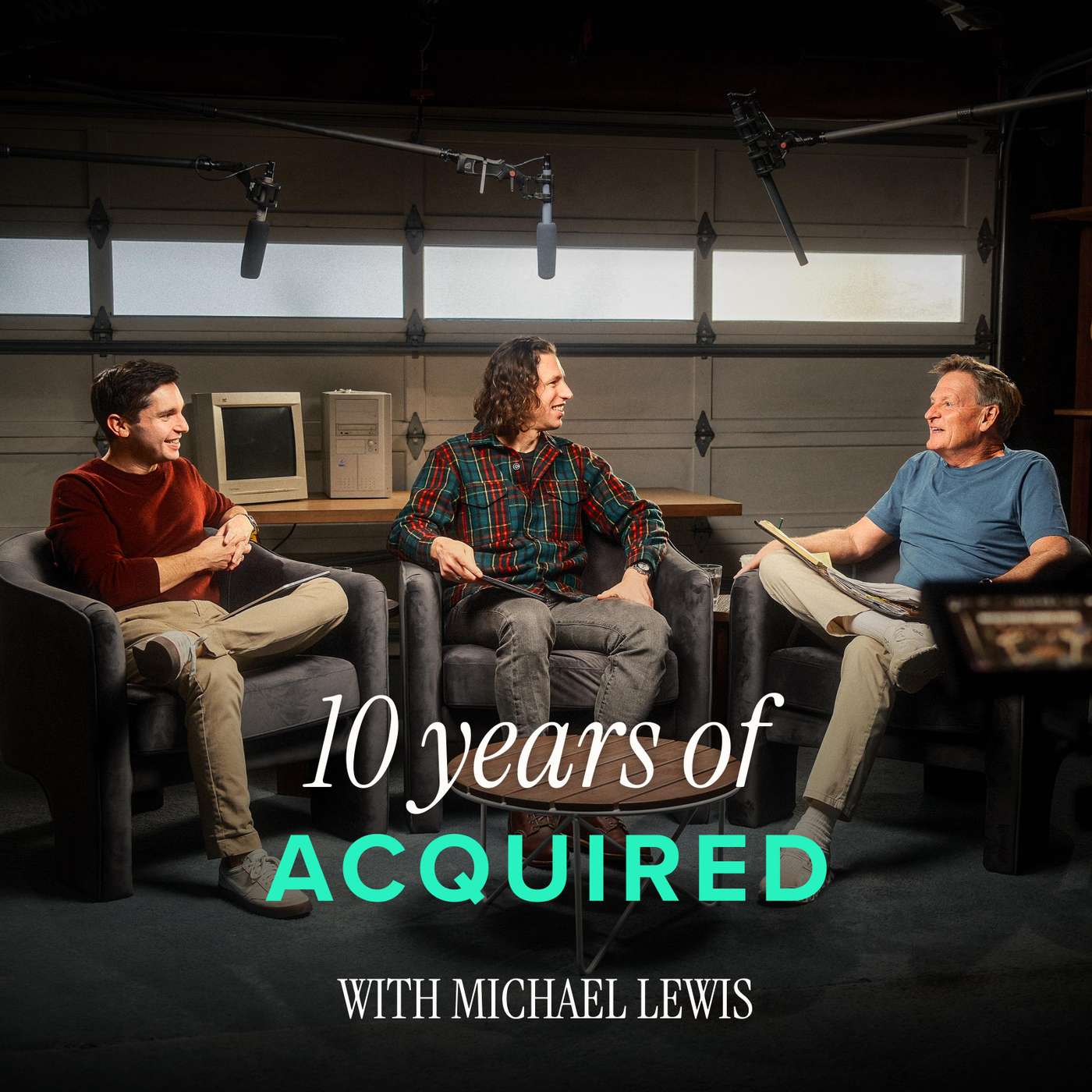
The podcast Acquired has built its competitive advantage by investing weeks of deep research per episode, a model that is economically unviable for new creators. The scale they've achieved now justifies the high upfront investment, but this creates a powerful moat that is nearly impossible for a newcomer to overcome from a standing start.

Years after his "Wind of Change" podcast ended, Patrick Radden Keefe dropped a sample of his new audiobook into the old feed. It was downloaded 100,000 times in six days, demonstrating the surprising long-tail power and high audience retention of subscribed podcast RSS feeds, even without new content.

Ari Emanuel views the podcasting ecosystem as the next wave of syndication. Just as Oprah used her broadcast platform to launch other stars like Dr. Phil, today's top podcasters can build media networks by developing and launching new talent. This transforms a single successful show into a scalable, multi-channel business.

Podcasting is the fastest-growing ad medium because it reaches a core spending demographic (average age 34) with an intimate, trust-based format. This allows for high-value "host read" advertisements, which command CPMs of $45-50, far exceeding the $3-10 CPMs of standard inserted ads on other platforms.
Former NPR hosts explain that radio audiences often "tune in" by chance, creating a discovery model. Podcast listeners, however, actively choose to "spend time with" a specific host. This fundamental difference requires creators to build a direct, personal relationship with an audience that is already inclined to like them.
Author Michael Lewis notes his books feel like new startups, while Acquired's podcast format builds a compounding audience. When they release a new "book" (episode), it's automatically delivered to their entire subscriber base, creating a powerful growth flywheel that traditional media lacks.