Get your free personalized podcast brief
We scan new podcasts and send you the top 5 insights daily.
Years after his "Wind of Change" podcast ended, Patrick Radden Keefe dropped a sample of his new audiobook into the old feed. It was downloaded 100,000 times in six days, demonstrating the surprising long-tail power and high audience retention of subscribed podcast RSS feeds, even without new content.

Related Insights
Despite narratives about the death of long-form audio, Freakonomics Radio maintains its audience. Stephen Dubner credits this to ignoring trends and focusing on his own curiosity to create a high-quality product for a dedicated niche, proving consumption hasn't died, but broad investment has.

Unlike ephemeral social media posts, a podcast's episode library is an evergreen asset. The speaker notes that 50% of her monthly downloads come from old episodes, creating a system that generates value 24/7 and compounds over time, long after the initial creation effort.

Focus on deep engagement metrics like total listening time over easily manipulated vanity metrics like downloads. A smaller, highly engaged audience that spends hours with your content is more valuable than a large, fleeting one that listens for only seconds.
Facing a content gap from pausing two shows, The Investor's Podcast Network immediately directs listeners to other shows within its ecosystem. This tactic serves as a crucial audience retention strategy, preventing churn by providing relevant, alternative content on the same feed.

Researching abandoned podcasts within your niche is a strategic way to uncover content gaps and audience demand. By searching keywords your ideal listeners use, you can identify topics that were popular but are no longer being served, providing a roadmap for your first dozen episodes.
Data shows audio podcast listeners have a 40-45 minute average session, compared to just 15 minutes for the same content on YouTube. This indicates that audio fosters a significantly deeper sense of connection and trust, though growing a pure audio audience remains much harder.

Creators intentionally produce evergreen episodes on broad topics like historical conspiracies. While these get fewer views initially compared to timely news reactions, they dominate in long-term performance as they are continually discovered and recommended by YouTube's algorithm, building a more valuable and durable content library.
Instead of being obsolete, long-form content like podcasts is the essential starting point. It provides a rich source of value that can be efficiently 'chopped up' into dozens of smaller content pieces, maximizing distribution and engagement across different platforms.

Gladwell views his podcast not just as a content platform but as the primary engine that kept him relevant and prevented the career decline common for journalists in their 50s and 60s. It served as a tool for reinvention, ensuring he didn't 'vanish' professionally.

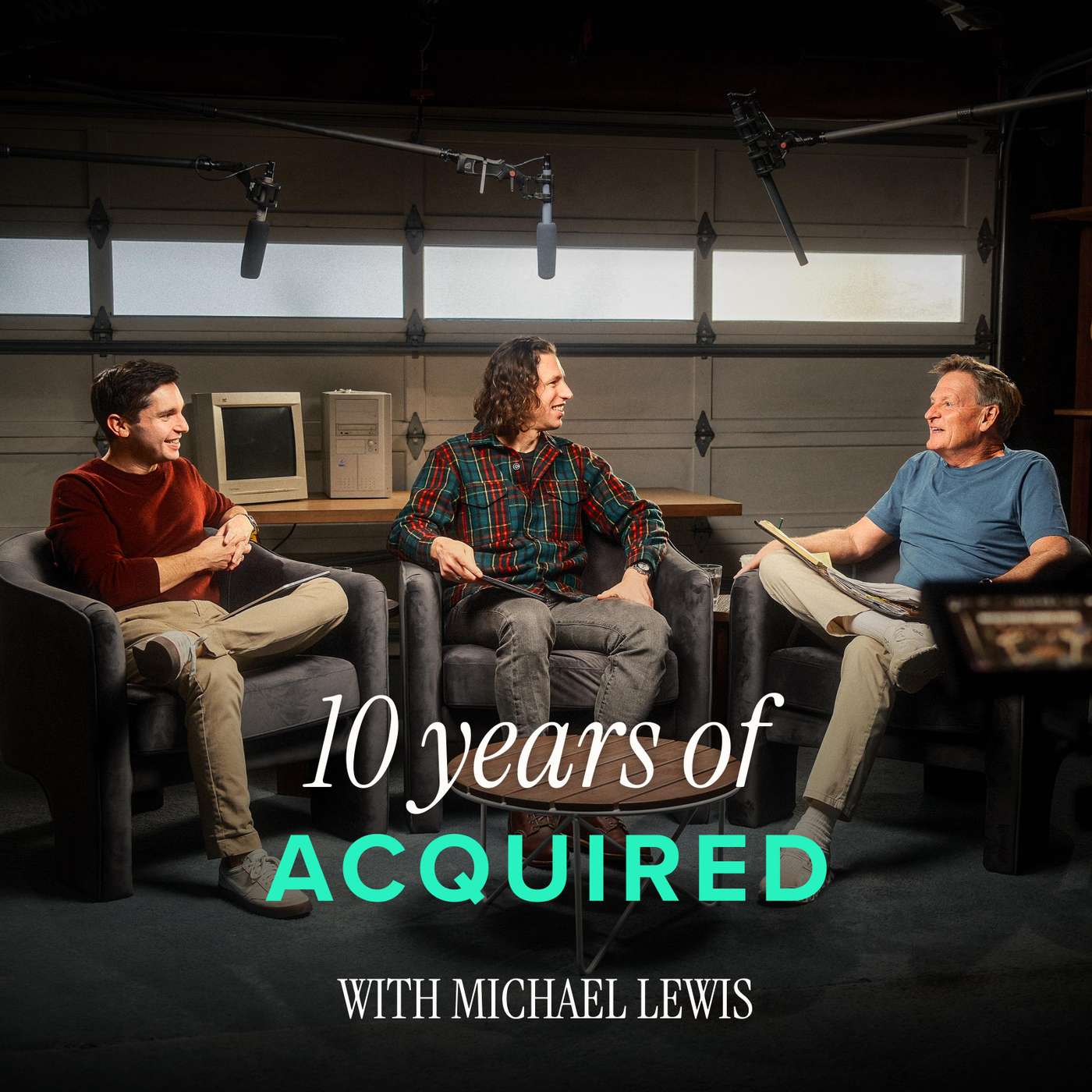
Author Michael Lewis notes his books feel like new startups, while Acquired's podcast format builds a compounding audience. When they release a new "book" (episode), it's automatically delivered to their entire subscriber base, creating a powerful growth flywheel that traditional media lacks.