Get your free personalized podcast brief
We scan new podcasts and send you the top 5 insights daily.
David Ko's departure from the CEO role stems from his belief that the mental health crisis is too big for any single company to solve. He aims to work at a higher, systemic level to create a "movement" that connects employers, healthcare providers, and policymakers.

Related Insights
Founder Alex Marechniak stepped down as CEO not from a lack of skill, but because personal crises and burnout depleted his capacity. He recognized that leadership requires being "fully in the game," and transparently told his board he wasn't, prioritizing the company's health over his ego.

The high rate of CEO replacements, highlighted by Disney's succession plan, is driven by burnout from navigating years of intense disruption. Boards are now prioritizing a new generation of leaders with the resilience and energy required for an increasingly chaotic business environment.
Companies invest heavily in wellness apps and tools, but engagement is low because there's no culture of psychological safety. Fringe's CEO Jordan Peace argues he would trade his entire HR tech platform for a leader who is vulnerable about their own struggles, as this normalizes mental health and builds true cultural change from the top.

The primary source of CEO stress isn't the volume of work, but the emotional weight of being responsible for the livelihoods and faith of employees, investors, and customers. This constant pressure is the hardest part of the job.

Amanda Kahlow stepped down as CEO of 6sense because she knew her departure would unlock a new influx of capital. Recognizing her own gaps in building a scalable go-to-market engine, she made the difficult decision to replace herself to give the company its best shot at growth.

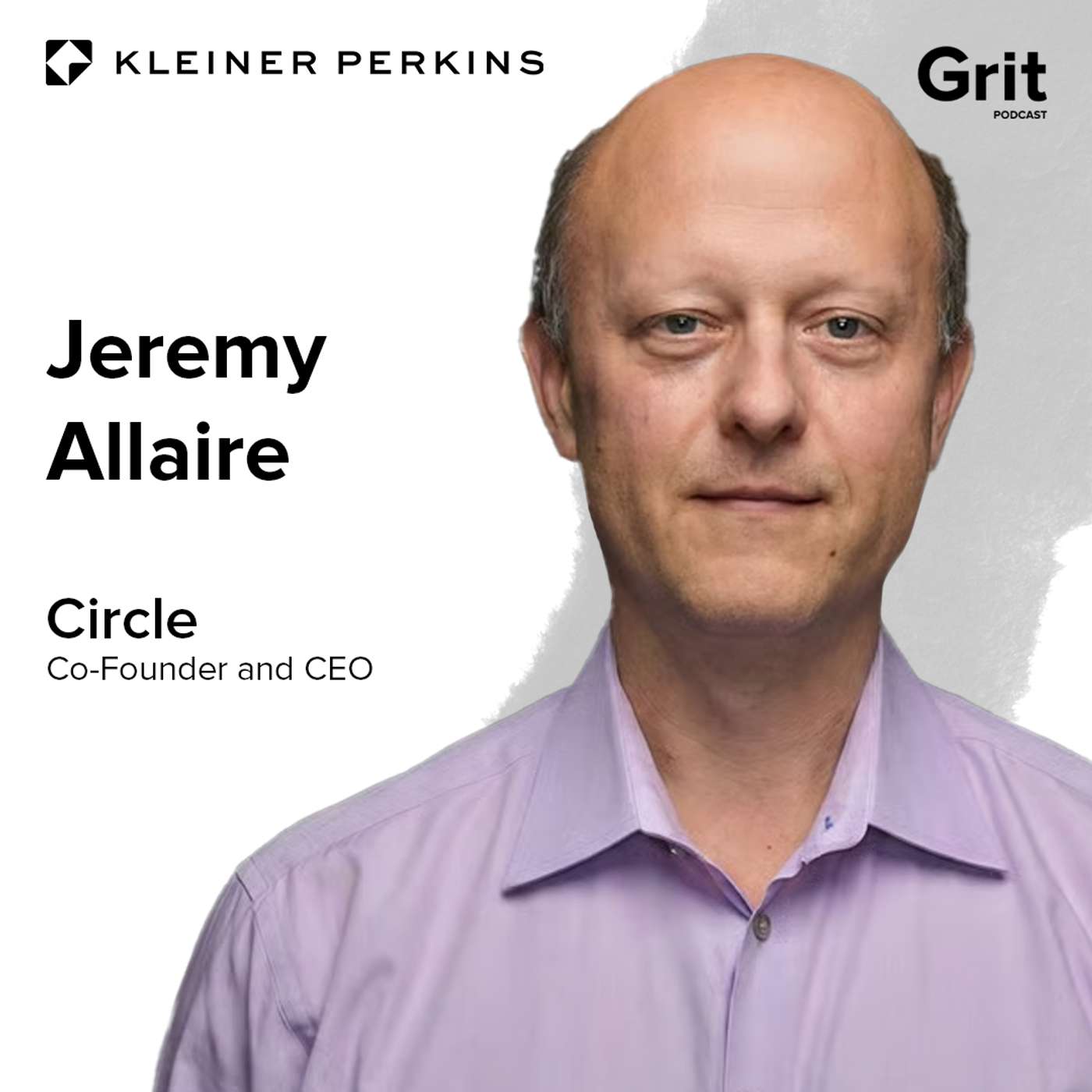
The immense pressure of building Circle took a physical toll on Jeremy Allaire. He responded by systematically improving his health—fitness, sleep, diet, mindfulness, and sobriety. He views peak personal wellness not as a luxury but as a necessary tool to absorb complexity and lead effectively.
The transition from founder to CEO shouldn't temper the core belief that your company can create massive change. That passion must remain. What should evolve is the execution strategy—moving from pure intuition to structured planning, financial literacy (e.g., understanding a P&L), and leveraging past experiences.

The M&A Science founder stepped back as CEO from his scaling software company, Dealroom, because his strength is in the early "boots on the ground" phase, not optimization and process maturity. This highlights the importance for founders to align their role with their core strengths rather than clinging to a title.

David Ko explains the paradox of leading a wellness company: the constant awareness that users turn to Calm in moments of need creates immense, non-stop pressure. This stress stems directly from the mission's impact, reframing the burden of a mission-driven leader.
A Calm study found a significant gap between executives' public composure and private stress. While almost 50% think of stepping down due to stress, they don't feel safe being vulnerable with their teams, which undermines company-wide mental health initiatives.