Get your free personalized podcast brief
We scan new podcasts and send you the top 5 insights daily.
After retiring, Mary Kay created two lists: every negative experience from her career and the ideal alternative. This second list became her business plan. This method of systematically inverting personal and industry pain points is a powerful framework for creating a disruptive and employee-centric company.
![Mary Kay Ash: The Greatest Saleswoman In History [Outliers] thumbnail](https://megaphone.imgix.net/podcasts/e183b016-cec7-11f0-90ea-27c38ce45de8/image/2d94065a7777f6297ba9350dd7be6b66.png?ixlib=rails-4.3.1&max-w=3000&max-h=3000&fit=crop&auto=format,compress)
Related Insights
Founder Jesse Cole's creative engine is a simple rule: identify the standard way of doing things and then do the opposite. This ensures every idea is inherently remarkable and share-worthy, as people don't get excited about normalcy. It’s a core principle for breaking out of industry conventions.

Mary Kay’s core philosophy, learned from her mother's "You can do it" calls, was that ordinary people achieve extraordinary things when someone relentlessly believes in them. This principle—transferring belief before ability is proven—became her company's unofficial motto and operating system for success.
Brainstorming cannot reveal the true friction in your customer experience. Following JetBlue's example, leaders must regularly become their own customers. This practice uncovers how high-level decisions inadvertently create flaws in the customer journey that are invisible from the boardroom.

Instead of optimizing for a quick win, founders should be "greedy" and select a problem so compelling they can envision working on it for 10-20 years. This long-term alignment is critical for avoiding the burnout and cynicism that comes from building a business you're not passionate about. The problem itself must be the primary source of motivation.

Don't wait for a 'Shark Tank' invention. Your most valuable business idea is likely a proprietary insight you have about a broken process in your current field. Everyone has a unique vantage point that reveals an inefficiency or an unmet need that can be the seed of a successful venture.

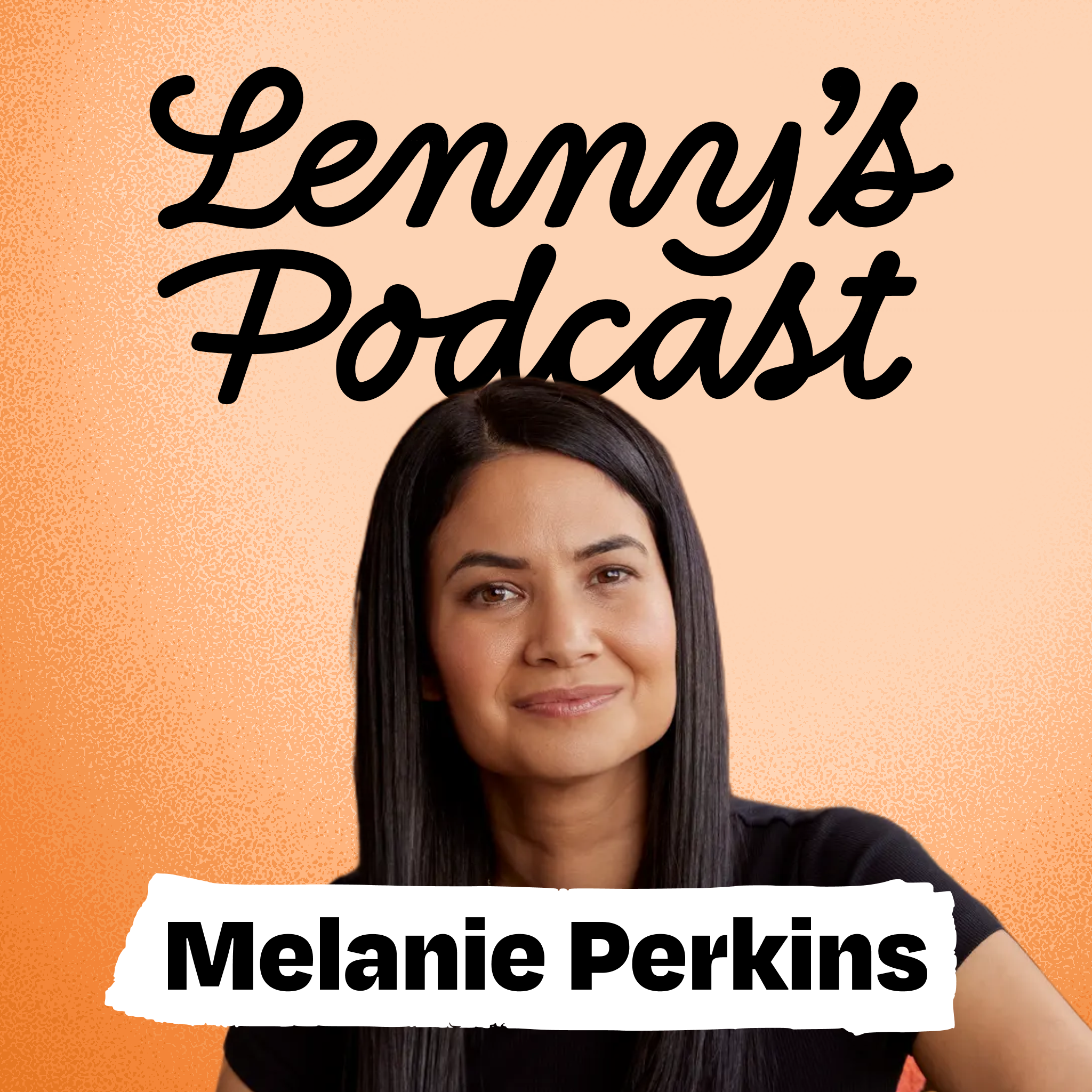
Canva CEO Melanie Perkins plans using "Column B" thinking: envision a perfect, magical future state without constraints, then work backward to build a ladder of small, actionable steps to get there. This contrasts with "Column A" thinking, which starts with current resources and limits vision.
Bizzabo's founders, being new to the events industry, used their lack of preconceived notions to their advantage. They could question established norms and identify problems that insiders overlooked, leading to innovative solutions. This "beginner's mind" is a powerful disruptive tool.

Instead of starting from a textbook, WCM developed its effective culture by identifying the negative traits of its original founder's regime—control, opacity, and stinginess—and deliberately doing the opposite. This 'inversion' method provides a powerful, practical template for cultural transformation.
![[REPLAY] Paul Black - Gratitude, Fun, and Growth Stocks (Capital Allocators, EP.51) thumbnail](https://static.libsyn.com/p/assets/f/b/7/6/fb76e1c8bfb69e8dd959afa2a1bf1c87/CA_Square_logo_light_background_6.26.24.jpg)
Instead of searching for a market to serve, founders should solve a problem they personally experience. This "bottom-up" approach guarantees product-market fit for at least one person—the founder—providing a solid foundation to build upon and avoiding the common failure of abstract, top-down market analysis.

Don't start with a business idea and force your life to conform. Instead, define how you want to spend your days—your desired lifestyle. Then, operate within that box to find a business model that achieves your financial and impact goals. This ensures long-term alignment and fulfillment.
