Get your free personalized podcast brief
We scan new podcasts and send you the top 5 insights daily.
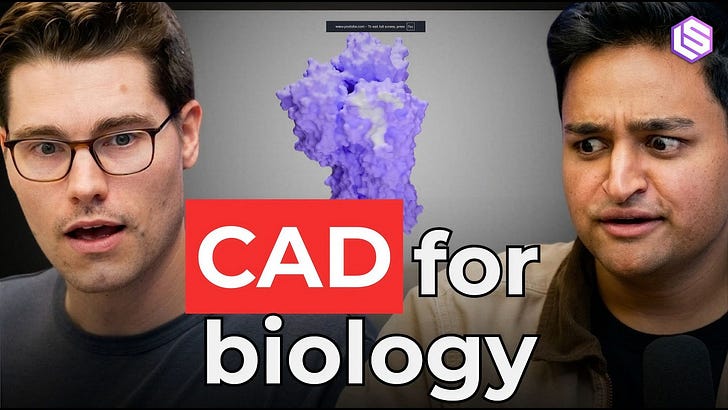
The user interface for advanced protein design isn't a conversational chatbot. It's a visual, CAD-like design suite where scientists can "paint" targets and use AI as a "content-aware fill" to generate molecules, emphasizing visual interaction over text prompts.
Related Insights
Powerful AI models for biology exist, but the industry lacks a breakthrough user interface—a "ChatGPT for science"—that makes them accessible, trustworthy, and integrated into wet lab scientists' workflows. This adoption and translation problem is the biggest hurdle, not the raw capability of the AI models themselves.

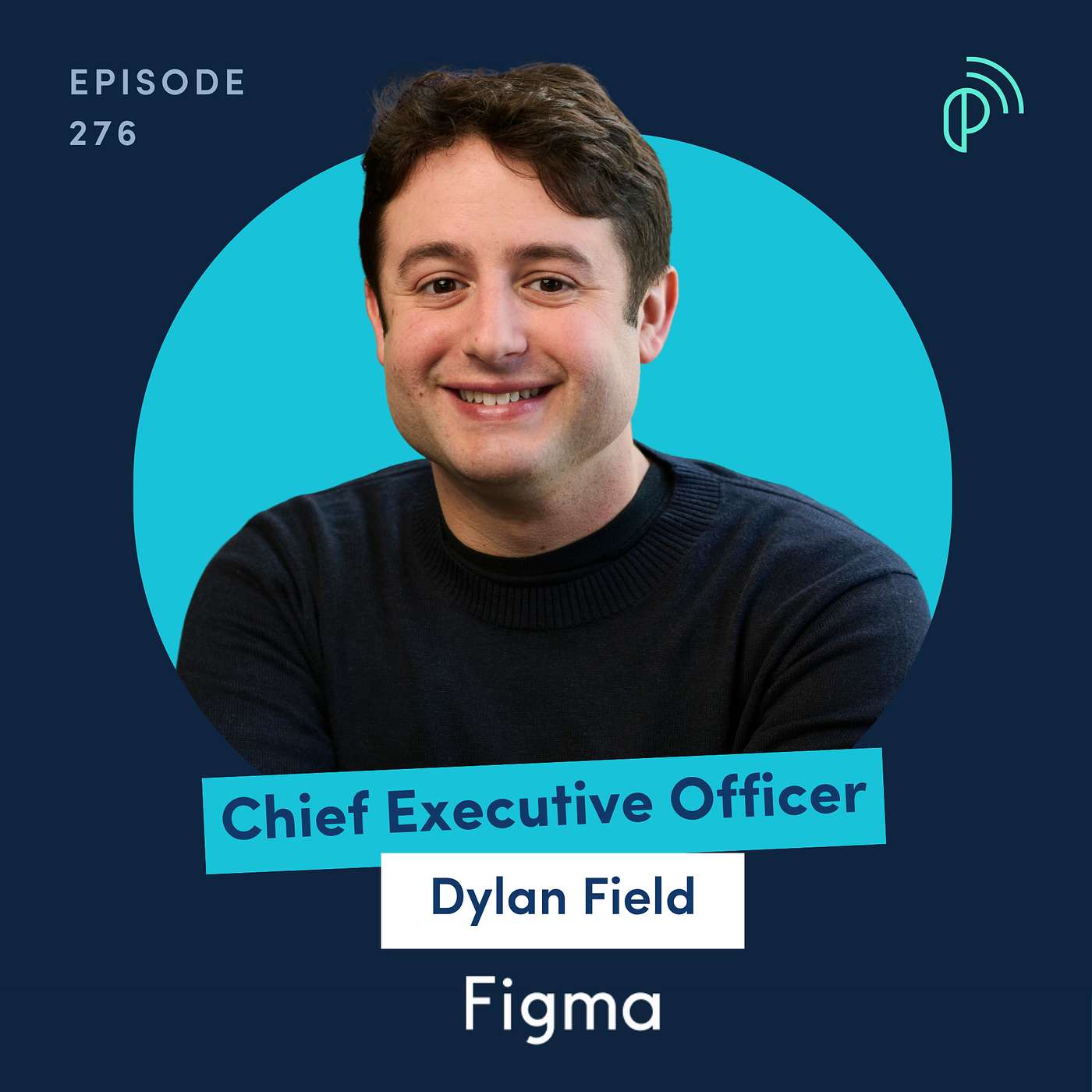
Figma CEO Dylan Field predicts we will look back at current text prompting for AI as a primitive, command-line interface, similar to MS-DOS. The next major opportunity is to create intuitive, use-case-specific interfaces—like a compass for AI's latent space—that allow for more precise control beyond text.
Current text-based prompting for AI is a primitive, temporary phase, similar to MS-DOS. The future lies in more intuitive, constrained, and creative interfaces that allow for richer, more visual exploration of a model's latent space, moving beyond just natural language.

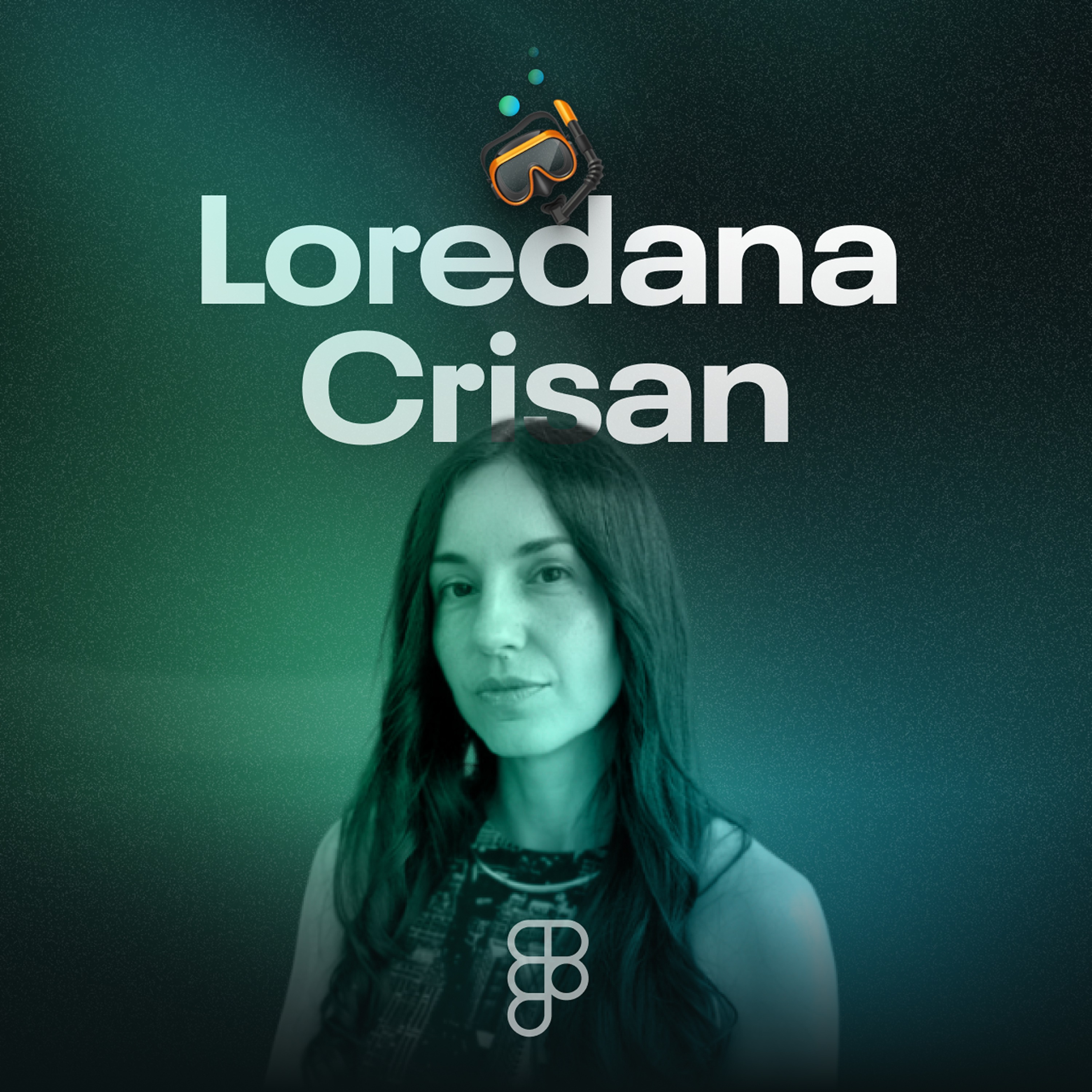
Figma's Loredana Crisan argues that relying solely on text prompts for design is inefficient for refinement, comparing it to "dictating a painting over the phone." While AI can generate a starting point, true creative control requires direct manipulation tools for tweaking details like organic shapes or precise colors.
As AI models in biology become more powerful, the product UI will evolve from a low-level tool for inspecting atoms to a high-level orchestrator for scientific campaigns. Product teams must anticipate this and build for disposability, knowing today's tool is just a bridge to the next level of abstraction.
While chatbots are an effective entry point, they are limiting for complex creative tasks. The next wave of AI products will feature specialized user interfaces that combine fine-grained, gesture-based controls for professionals with hands-off automation for simpler tasks.
Cues uses 'Visual Context Engineering' to let users communicate intent without complex text prompts. By using a 2D canvas for sketches, graphs, and spatial arrangements of objects, users can express relationships and structure visually, which the AI interprets for more precise outputs.

Chatbots are fundamentally linear, which is ill-suited for complex tasks like planning a trip. The next generation of AI products will use AI as a co-creation tool within a more flexible canvas-like interface, allowing users to manipulate and organize AI-generated content non-linearly.
Building a true AI product starts by defining its core capabilities in an AI playground to understand what's possible. This exploration informs the AI architecture and user interface, a reverse process from traditional software where UI design often comes first.
Figma's CEO likens current text prompts to MS-DOS: functional but primitive. He sees a massive opportunity in designing intuitive, use-case-specific interfaces that move beyond language to help users 'steer the spaceship' of complex AI models more effectively.