Get your free personalized podcast brief
We scan new podcasts and send you the top 5 insights daily.
Proponents of long-term human flourishing, like Elon Musk, see falling birth rates as a civilizational-level threat, similar to climate change. This perspective frames pronatalism not just as a social issue, but as a crucial component of ensuring humanity's future survival and progress.
Related Insights
As global birth rates fall, there won't be enough young people to care for the aging population. Cisco's Jeetu Patel argues AI is not a job-killer but a necessity to prevent massive human suffering by filling this impending labor and care gap.

Focusing on one's own survival is mathematically irrational, as the chance of personally benefiting from future therapies is small and uncertain. Dr. de Grey argues the most logical motivation is humanitarian: every day the defeat of aging is hastened saves 110,000 lives.

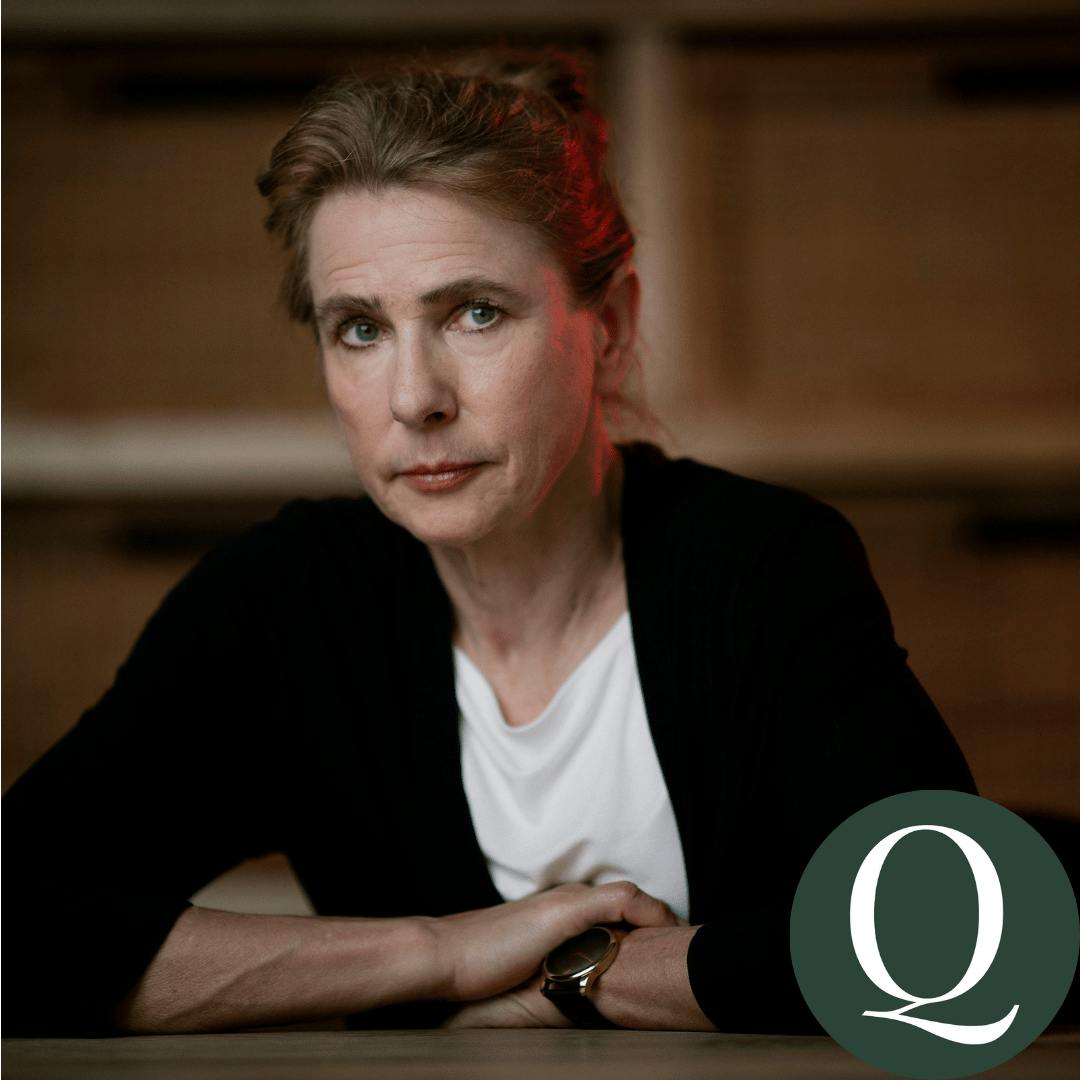
Shriver, who is childless, reframes the "child-free" lifestyle not as a personal choice but as a fundamentally irresponsible act when adopted at a civilizational scale. She argues it is an ungenerous refusal to perpetuate the culture one inherited, thereby contributing to its decline.
Contrary to popular belief, the biggest threat to humanity is not overpopulation but underpopulation. Specifically, societies that produce productive, intelligent, and stable citizens are not having enough children, while those who can't support them are, creating an existential crisis for the future.

The falling birth rates in many Western nations are a direct consequence of economic pressures. Young people are postponing or forgoing having children because the high cost of housing and living makes it financially impossible to start a family, a phenomenon exemplified by adults in their 30s still living with their parents.

Despite believing aging is solvable, Elon Musk hesitates to focus on it. He argues that death is a necessary feature for society, as it prevents "ossification" by ensuring older, change-averse leaders are eventually replaced by new generations with fresh ideas.

A futurist prediction suggests AI's greatest demographic impact may be a baby boom. By automating the drudgery of parenthood (forms, scheduling, shopping), AI makes the experience more appealing, potentially reversing declining birth rates in developed nations.

In a controversial critique of Anthropic's ethics lead, Elon Musk argued that people without children lack a true stake in the long-term future of humanity. This view inserts personal life choices into the AI ethics debate, suggesting parenthood is a key qualifier for making decisions with generational consequences.

Elon Musk reportedly stopped focusing on radical life extension because he believes people don't change their minds. He argues that scientific and social progress occurs "one death at a time," as older generations with ossified views must pass away to make room for new ideas.

Many countries, including China, are facing a demographic crisis with falling birth rates and an aging population. This creates an economic imbalance with too few young workers to support the elderly. AI and robotics can fill this gap, effectively becoming the "young workforce" that sustains these economies.