Get your free personalized podcast brief
We scan new podcasts and send you the top 5 insights daily.
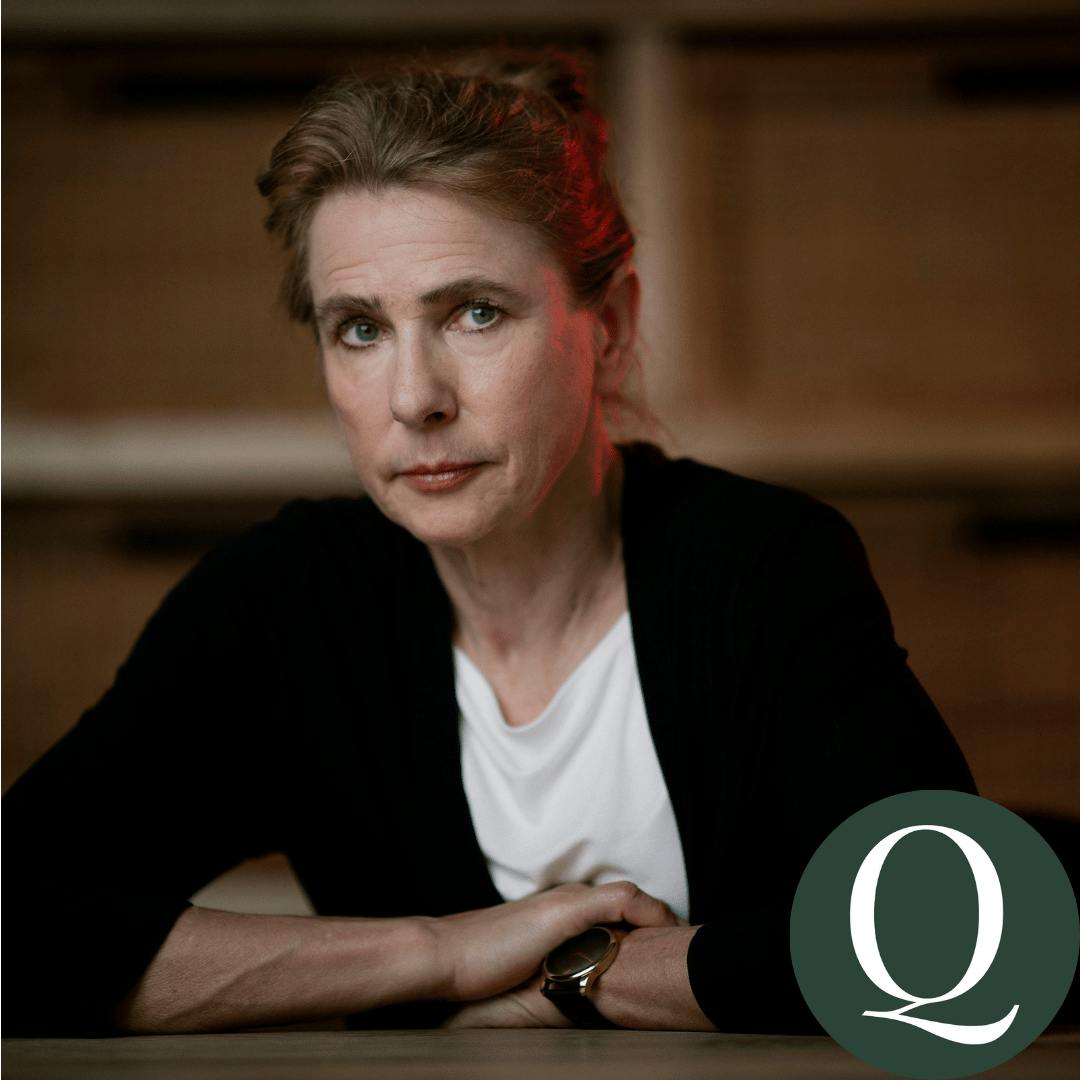
Shriver, who is childless, reframes the "child-free" lifestyle not as a personal choice but as a fundamentally irresponsible act when adopted at a civilizational scale. She argues it is an ungenerous refusal to perpetuate the culture one inherited, thereby contributing to its decline.
Related Insights
Elite women promote anti-relationship views as a "luxury belief," conferring status on themselves while harming less affluent women, who data shows experience greater declines in fertility and happiness when they forgo marriage and family.

When a society's most aspirational role models (e.g., K-pop stars) are contractually celibate and childless, it creates a powerful cultural script against coupling and family formation. This mimetic effect can significantly impact national birth rates by devaluing parenthood as a life goal for an entire generation.
The speaker argues that due to the immense biological cost of child-rearing, a core feminine impulse is to abdicate responsibility and shed costs. When this psychological driver is scaled to a societal level, it becomes the foundation of leftist ideology. Most seemingly nonsensical leftist policies can be understood through this framework.

The speaker challenges the societal pressure to view children as one's ultimate achievement. He argues this reduces life's purpose to mere biological reproduction, overlooking nobler pursuits like mastering a craft or creating lasting impact beyond procreation.

We have had housing technology for 10,000 years, yet have made it artificially scarce through regulation. This engineered scarcity prevents young people from starting families, directly causing the crash in birth rates that poses an existential threat to Western civilization.

Lionel Shriver's novel portrays American-born characters as listless and ineffective, creating a space for savvy immigrant characters to thrive by responding to systemic incentives. This dynamic suggests a culture's decline is marked by the passivity and naivete of its native population.
Ross Douthat points to a surprising social trend as a warning for a future of abundance. Despite unprecedented freedom, people are having less sex and forming fewer relationships. This suggests that addictive digital entertainment can overpower even fundamental human drives, a bleak indicator for a society with unlimited leisure.

Because women traditionally 'mate up' socioeconomically, the falling economic and educational status of men has shrunk the pool of 'eligible' partners. This contributes directly to a 'mating crisis' characterized by fewer relationships, delayed family formation, and lower birth rates, with broad societal consequences.

As women gain more economic power and education, they often choose to have fewer or no children. This global trend is reversing previous fears of a 'population bomb,' creating a new challenge for nations struggling to maintain population growth and support an aging populace.

China's plummeting birth rate is not just about cost. It's a structural issue where highly educated, professional women are opting out of childbirth because male partners are not stepping up to equally share the temporal and financial costs, creating a significant "parenthood penalty" for women.
