Get your free personalized podcast brief
We scan new podcasts and send you the top 5 insights daily.
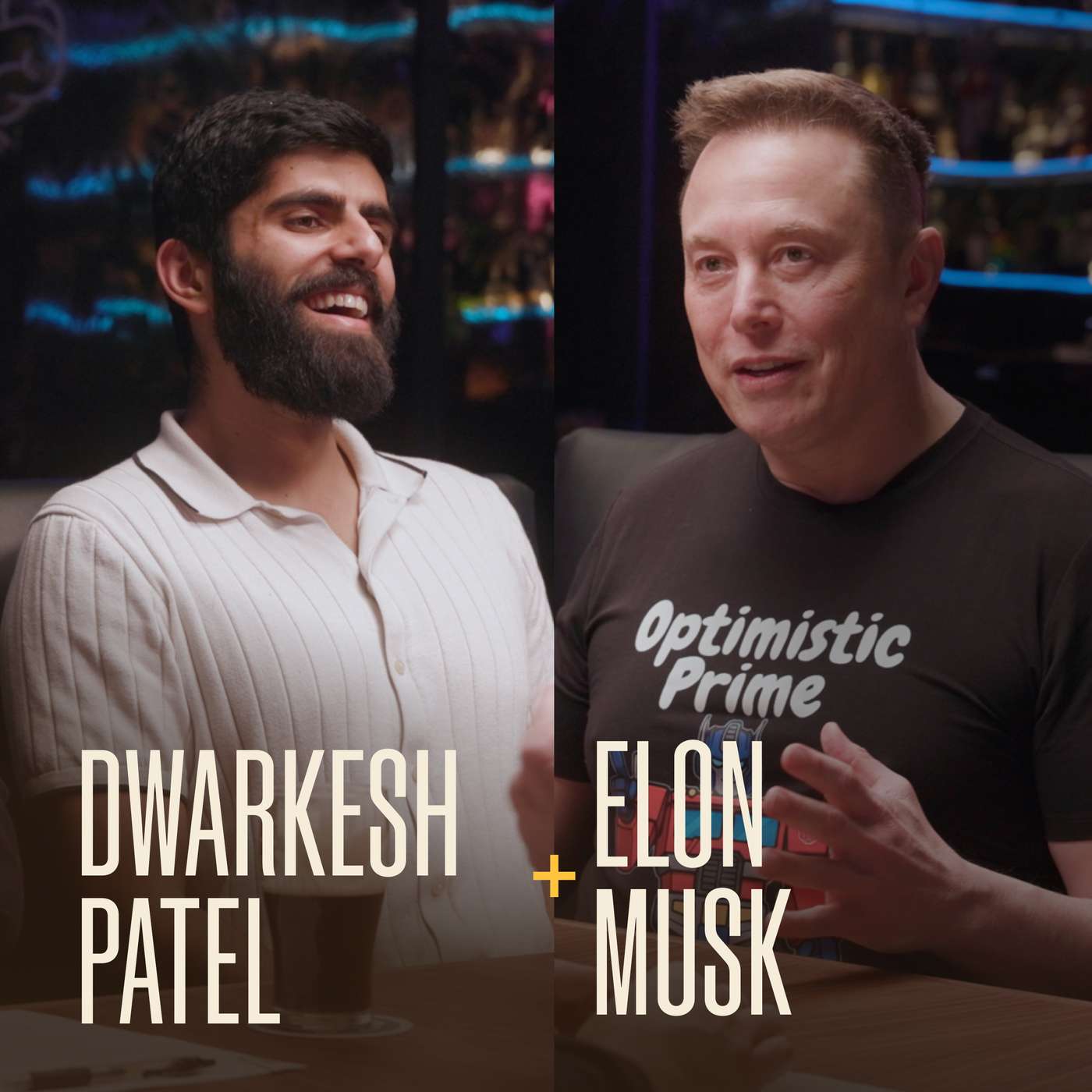
In a controversial critique of Anthropic's ethics lead, Elon Musk argued that people without children lack a true stake in the long-term future of humanity. This view inserts personal life choices into the AI ethics debate, suggesting parenthood is a key qualifier for making decisions with generational consequences.

Related Insights
Contrary to popular cynicism, ominous warnings about AI from leaders like Anthropic's CEO are often genuine. Ethan Mollick suggests these executives truly believe in the potential dangers of the technology they are creating, and it's not solely a marketing tactic to inflate its power.

Elon Musk argues that the key to AI safety isn't complex rules, but embedding core values. Forcing an AI to believe falsehoods can make it 'go insane' and lead to dangerous outcomes, as it tries to reconcile contradictions with reality.

Aligning AI with a specific ethical framework is fraught with disagreement. A better target is "human flourishing," as there is broader consensus on its fundamental components like health, family, and education, providing a more robust and universal goal for AGI.

The rare agreement between libertarian billionaire Elon Musk and socialist senator Bernie Sanders on AI's threat to jobs is a significant indicator. This consensus from the political fringe suggests the issue's gravity is being underestimated by mainstream policymakers and is a sign of a profound, undeniable shift.

Tech leaders, while extraordinary technologists and entrepreneurs, are not relationship experts, philosophers, or ethicists. Society shouldn't expect them to arrive at the correct ethical judgments on complex issues, highlighting the need for democratic, regulatory input.

Anthropic’s resistance to giving the Pentagon unrestricted use of its AI is a talent retention strategy. AI researchers are a scarce, highly valued resource, and many in Silicon Valley are "peaceniks." This forces leaders to balance lucrative military contracts with the risk of losing top employees who object to their work's applications.
Microsoft's AI chief, Mustafa Suleiman, announced a focus on "Humanist Super Intelligence," stating AI should always remain in human control. This directly contrasts with Elon Musk's recent assertion that AI will inevitably be in charge, creating a clear philosophical divide among leading AI labs.
OpenAI's creation wasn't just a tech venture; it was a direct reaction by Elon Musk to a heated debate with Google's founders. They dismissed his concerns about AI dominance by calling him "speciesist," prompting Musk to fund a competitor focused on building AI aligned with human interests, rather than one that might treat humans like pets.

Elon Musk reportedly stopped focusing on radical life extension because he believes people don't change their minds. He argues that scientific and social progress occurs "one death at a time," as older generations with ossified views must pass away to make room for new ideas.

By giving AI the core mission to 'understand the universe,' Musk believes it will become truth-seeking and curious. This would incentivize it to preserve humanity, not out of morality, but because humanity's unpredictable future is more interesting to observe than a predictable, sterile world.