Get your free personalized podcast brief
We scan new podcasts and send you the top 5 insights daily.
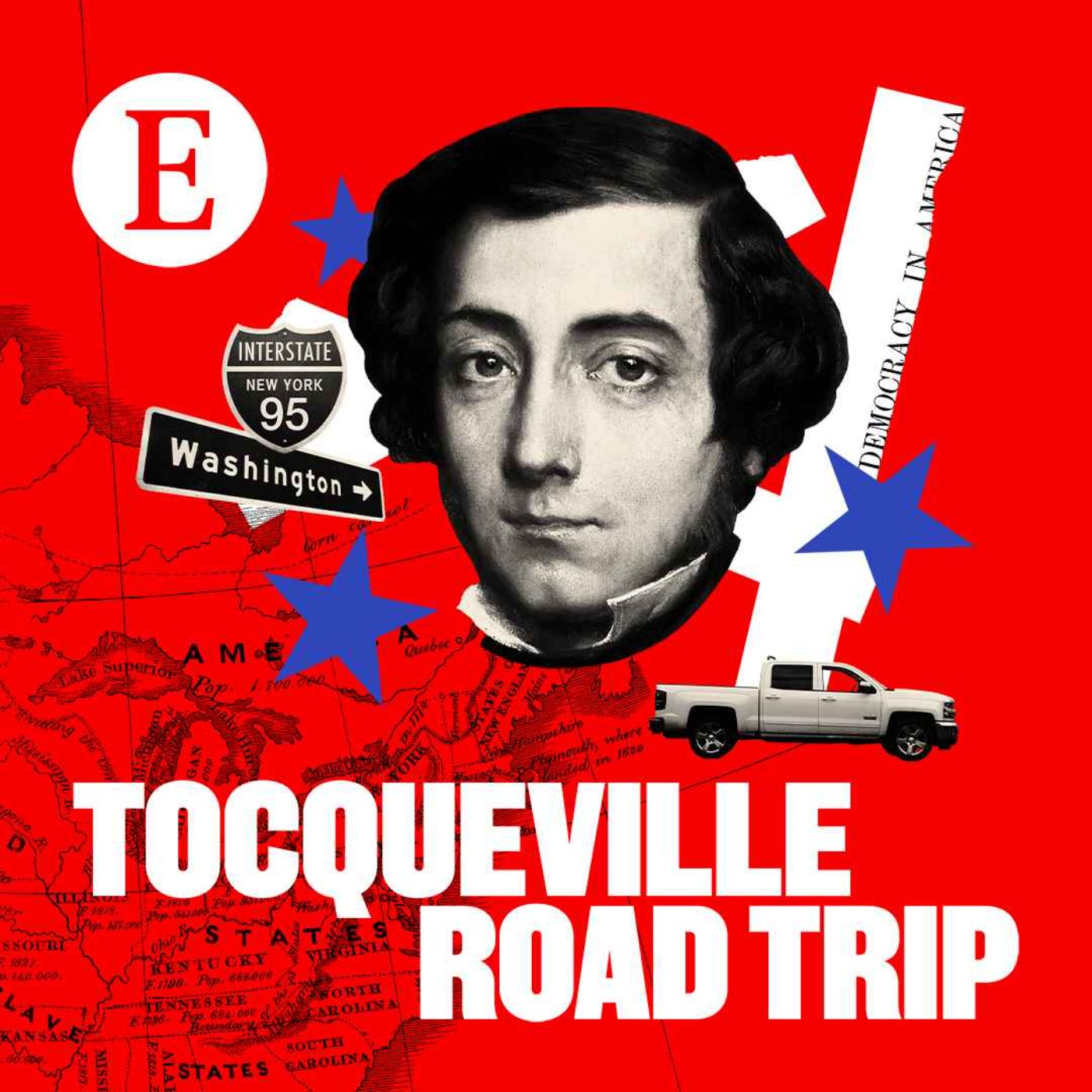
Tocqueville's key insight was that America's power lies in being a globally influential "idea"—the American Dream—rather than just a nation-state. This outsider's view explains why a foreigner can analyze the country's core principles and why its cultural and political identity has such a potent, almost religious, quality worldwide.
Related Insights
A top State Department official argues that America's strength lies in its "underdog" mentality, similar to a Silicon Valley founder. This perspective shifts the national identity from a complacent established power to a resilient innovator that performs best when its back is against the wall, driving creative solutions.

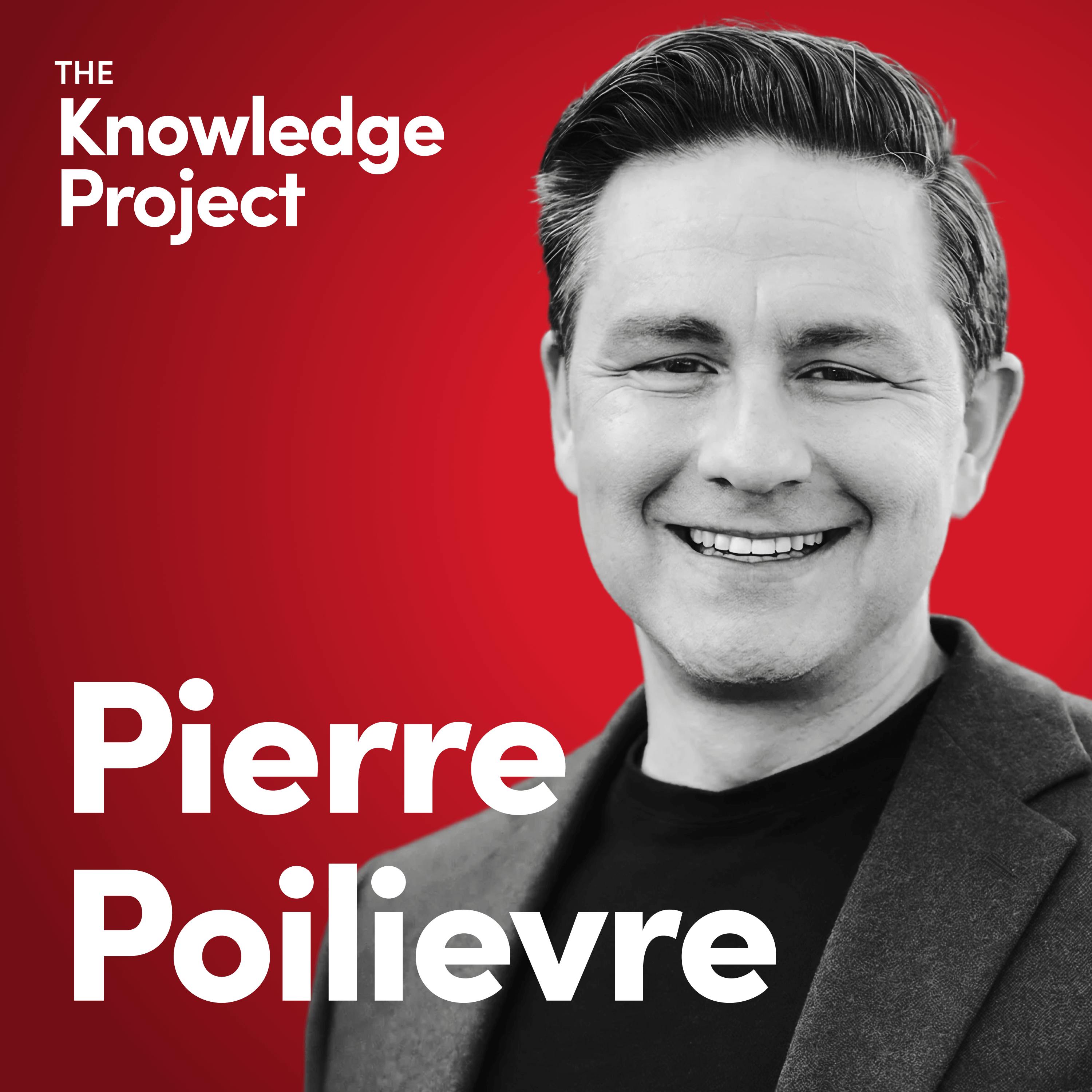
In a diverse, multi-ethnic country, national identity cannot be based on ancestry or "bloodline." Instead, it can be rooted in a shared abstract value. Canada's unifying identity is positioned as "freedom"—the common reason people have historically immigrated, providing a non-ethnic foundation for unity.
Tocqueville warned that if a new, permanent aristocracy were to arise in America, it would come from its industrialists. This foresight is now reflected in the immense wealth and political influence of the modern billionaire class, whose power rivals that of historical aristocrats and challenges democratic equality.
A country's power on the world stage is not just military or economic might, but its belief in its own value system. When a nation ceases to indoctrinate its next generation with these values and loses the will to defend them, it cedes global influence to other powers with stronger ideological conviction.

America's unique system is founded on the idea that rights are "self-evident" and not granted by government. This immutability creates a predictable, high-trust environment where entrepreneurs feel secure enough to take massive, life-altering risks, fueling the nation's technological engine and global leadership.

America is not just a nation of immigrants but of emigrants—people who made the bold choice to leave behind collapsing societies. The Irish fled famine, Germans fled revolution, and Chinese, Vietnamese, and Iranians fled communism and turmoil. This history of leaving failing states is a core part of the American identity, not a betrayal of one's homeland.

Post-WWII, the U.S. created a new form of imperialism based on industrial and technical standards rather than territorial occupation. By embedding its systems—from screw threads to broadcast frequencies—into the fabric of global manufacturing and technology, America achieved a subtle, subterranean form of control. You don't need to plant a flag when you've already threaded the bolts.

The U.S. generates 25% of global GDP and holds 45% of science Nobel prizes with under 5% of the world's population. This is not an accident but a direct outcome of a system prioritizing individual liberty. This freedom acts as a gravitational pull for global talent and enables the 'permissionless innovation' that drives economic and scientific breakthroughs.

Despite current turmoil, British entrepreneur Emma Grede views the U.S. as the only place where her rapid success was possible. Her outsider's perspective highlights that the "American Dream"—achieving massive success regardless of origin in under a decade—is a unique and powerful national asset.

Tocqueville's concept of "equality of conditions" wasn't about income parity. It was a social norm where wealth was earned and enjoyed, not hoarded to create dynasties. This is illustrated by America's estate laws that broke up fortunes and by philanthropists who aim to spend their money within their lifetime.