Get your free personalized podcast brief
We scan new podcasts and send you the top 5 insights daily.
A top State Department official argues that America's strength lies in its "underdog" mentality, similar to a Silicon Valley founder. This perspective shifts the national identity from a complacent established power to a resilient innovator that performs best when its back is against the wall, driving creative solutions.

Related Insights
An entrepreneur who has lived in eight countries argues that America's most potent freedom is not personal liberty but the institutionalized acceptance of business failure. Unlike in other cultures where failure brings shame, the U.S. treats it as "experience," fueling a powerful cycle of entrepreneurship.

China's strength is long-term, systematic planning. America's countervailing advantage is its 'craziness'—the ability for its economy and culture to pivot chaotically and unpredictably on new paradigms like AI. This unpredictability stems from its 'heretics' and 'crazies,' not from its predictable bureaucracy, making it difficult for adversaries to plan against.
![Shyam Sankar - Celebrating Heretics - [Invest Like the Best, EP.462] thumbnail](https://megaphone.imgix.net/podcasts/9dee904c-1bbf-11f1-a1a6-0b200fdaa525/image/57910f03f82ede99259c53f5e5404f6a.jpg?ixlib=rails-4.3.1&max-w=3000&max-h=3000&fit=crop&auto=format,compress)
The US startup ecosystem thrives not just on opportunity, but on the severe consequences of failure. Unlike Canada or Europe's stronger safety nets, this high-stakes environment creates immense pressure and motivation to achieve massive success.

This observation points to a cultural shift where public sentiment sides with smaller challengers against large, dominant entities. This has implications for branding, marketing, and competitive strategy for both startups and incumbents.

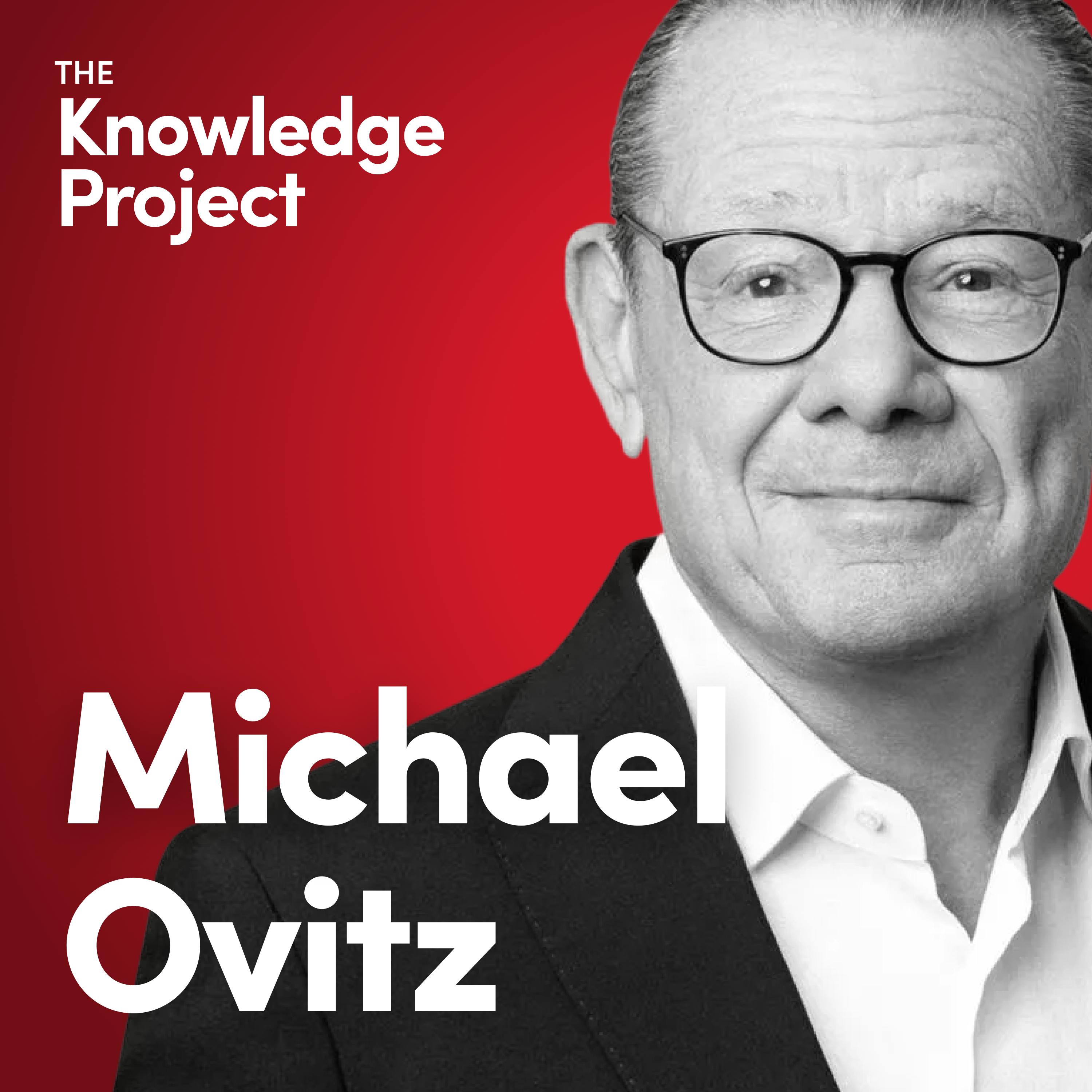
Ovitz argues that unlike in many other cultures where business failure brings shame, the American system allows and even encourages entrepreneurs to fail, learn, and try again. This resilience is a key driver of innovation.
Public criticism between figures like Elon Musk and Donald Trump, while appearing chaotic, is a symptom of America's rugged individualist culture. This freedom to challenge authority and speak freely, though messy, is precisely what attracts global innovators and has historically fueled the nation's success.

When falling behind in a broad competition, a winning strategy is to redefine the contest around a specific, achievable, and inspiring goal. By shifting the narrative from the general "space race" to the specific "moon race," the U.S. controlled the terms of victory.

The U.S. maintains a significant economic advantage because its culture doesn't penalize failure; it often celebrates it as a necessary step toward success. This cultural trait is crucial for fostering experimentation and risk-taking, as seen in the celebrated narrative of founders succeeding after previous ventures failed.

Despite what is described as "stupid" and "sclerotic" economic policies like tariffs and trade wars, the U.S. economy continues to grow. This resilience is not due to government strategy but to the relentless daily innovation of American businesses, which succeed in spite of, not because of, macro-level decisions.

The US cannot win by simply matching China's manufacturing volume in areas like drones. Instead, its cultural strength as an "underdog comeback king" suggests a strategy of being clever and outthinking the enemy, rather than playing a "Me Too" game of mass versus mass.
