Get your free personalized podcast brief
We scan new podcasts and send you the top 5 insights daily.
The US anti-money laundering (AML) regime intentionally forces criminals into a dilemma: operate outside the banking system or lie to access it. Lying on bank forms is an easily provable 'bright-line' crime, creating a powerful enforcement tool that is simpler to prosecute than the underlying criminal enterprise.
Related Insights
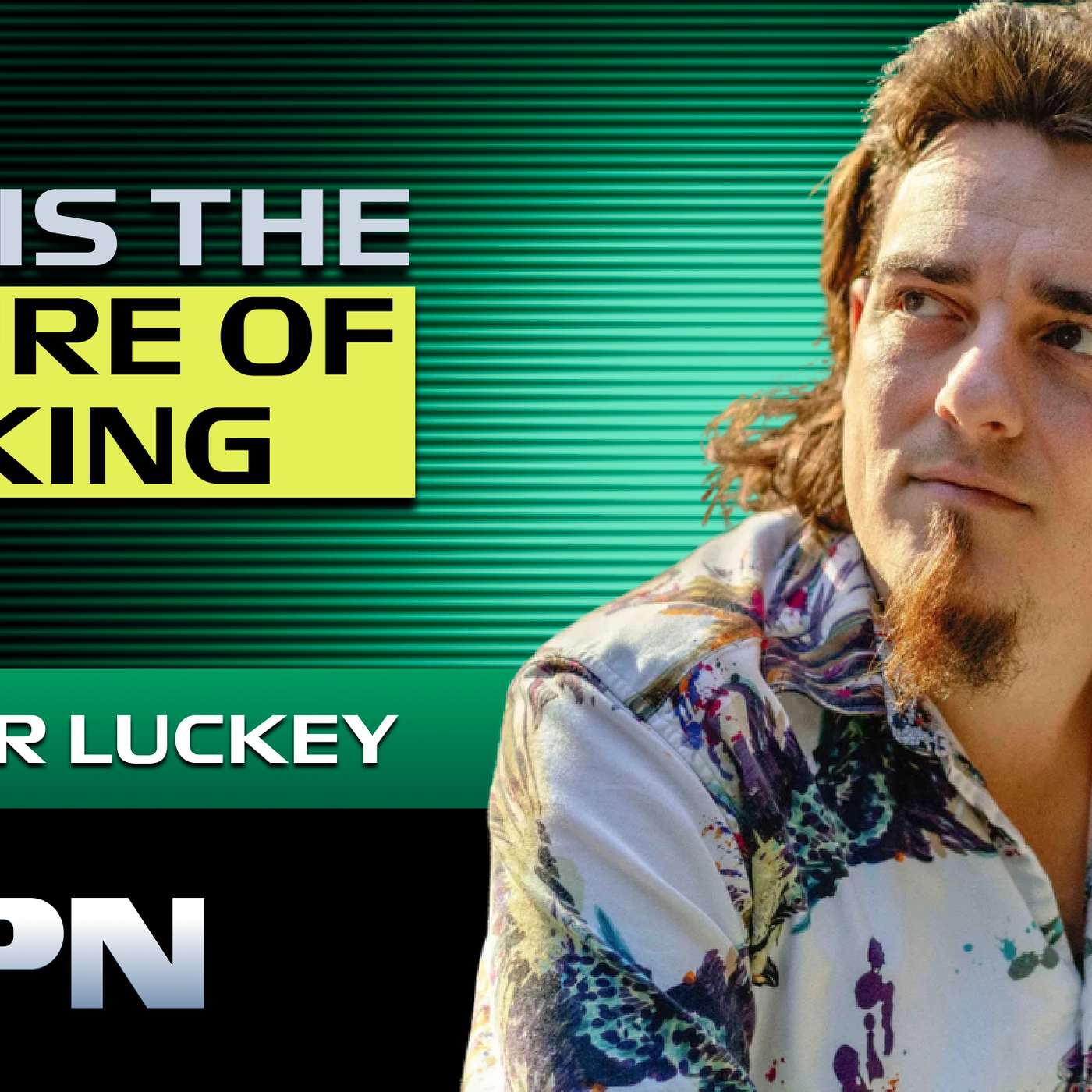
Unlike banks that react to fraud, Palmer Luckey's Erebor is proactively partnering with intelligence agencies from its inception. The goal is to design a system where fraud is nearly impossible, creating a moat that attracts legitimate, high-value clients while inherently repelling bad actors who prefer less scrutiny.

Businesses and financial institutions intentionally accept a certain level of fraud. The friction required to eliminate it entirely would block too many legitimate transactions, ultimately costing more in lost revenue (lower conversion) than the fraud itself. It is a calculated trade-off between security and usability.
Cryptocurrency's strategic impact isn't its potential to replace the entire financial system, but its ability to absorb the relatively small but critical volume of global transactions related to crime and sanctions evasion, where it can be uniquely effective.

Proving intent for white-collar crimes is difficult. Prosecutors overcome this by charging suspects with the simpler, 'bright-line' crime of bank fraud (e.g., lying on an application). This provides leverage and an easier path to conviction, regardless of the primary alleged crime.
Financial institutions are required to file Suspicious Activity Reports (SARs) with the government. These detailed memos, funded by the banks, often serve as pre-written indictments for prosecutors, who can sometimes directly copy the narrative into a formal legal complaint, effectively outsourcing investigative work.
An FBI agent's memoir reveals that a cartel's linchpin is not the smuggler but the business-savvy launderer. These white-collar professionals devise complex schemes, like trading drug money for legitimate goods like cigarettes, to make illicit profits usable. This financial engineering is the most vital part of the operation.

Unlike in many countries, the standard US bank account is a "checking account," which is fundamentally a credit product. Banks must therefore manage overdraft risk, leading to higher-ceremony onboarding processes and industry blacklists (like ChexSystems) that exclude individuals who have previously caused credit losses.
The SPLC's indictment for bank fraud creates a major problem for financial firms that have delegated transaction decisioning to its lists. Compliance departments will find it intolerable to rely on an accused bank fraudster to approve money movements, forcing a scramble for alternative data providers.
Instead of reacting to court orders, Palmer Luckey's Erebor bank preemptively works with intelligence services. This strategy aims to create a fraud-resistant platform, attracting legitimate clients and deterring malicious actors from the start, turning compliance into a competitive advantage.
Post-2008 regulations on traditional banks have pushed most lending into the private credit market. This 'shadow banking' system now accounts for 80% of U.S. credit but lacks the transparency and regulatory backstops of formal banking, posing a significant systemic risk.