Get your free personalized podcast brief
We scan new podcasts and send you the top 5 insights daily.
Unlike in many countries, the standard US bank account is a "checking account," which is fundamentally a credit product. Banks must therefore manage overdraft risk, leading to higher-ceremony onboarding processes and industry blacklists (like ChexSystems) that exclude individuals who have previously caused credit losses.
Related Insights
The common annoyance of banks not paying interest on checking accounts stems from history. Regulators once prohibited it to ensure bank stability. After the rule was repealed, the interest-free float had become such a large and reliable profit center that banks became structurally reliant on it.

Checks are not just payment messages; they are instruments of credit. To make this high-risk system work, the state provides a backstop by criminalizing check fraud ("uttering"), disproportionately punishing the poor for behavior that is treated as a fee-based service for wealthier customers.
A core service is guaranteeing employees are paid on a fixed deadline (Friday) even when employers submit funds late (e.g., Wednesday). This means payroll providers take on significant balance sheet risk, effectively acting as short-term lenders to their customers.
The slowness in traditional banking is often intentional, not a sign of outdated technology. These "bugs" are features designed to protect the most vulnerable 5-10% of customers from fraud like romance scams or elder abuse, which is a massive liability for banks.
![William Hockey - Building the Operating System for the Dollar and Silicon Valley Heresy - [Invest Like the Best, EP.463] thumbnail](https://megaphone.imgix.net/podcasts/fafd11c6-2198-11f1-9f4c-331b7fdffb5f/image/c8ee4ccf34b48dd3ef4ded6a34c1f70c.jpg?ixlib=rails-4.3.1&max-w=3000&max-h=3000&fit=crop&auto=format,compress)
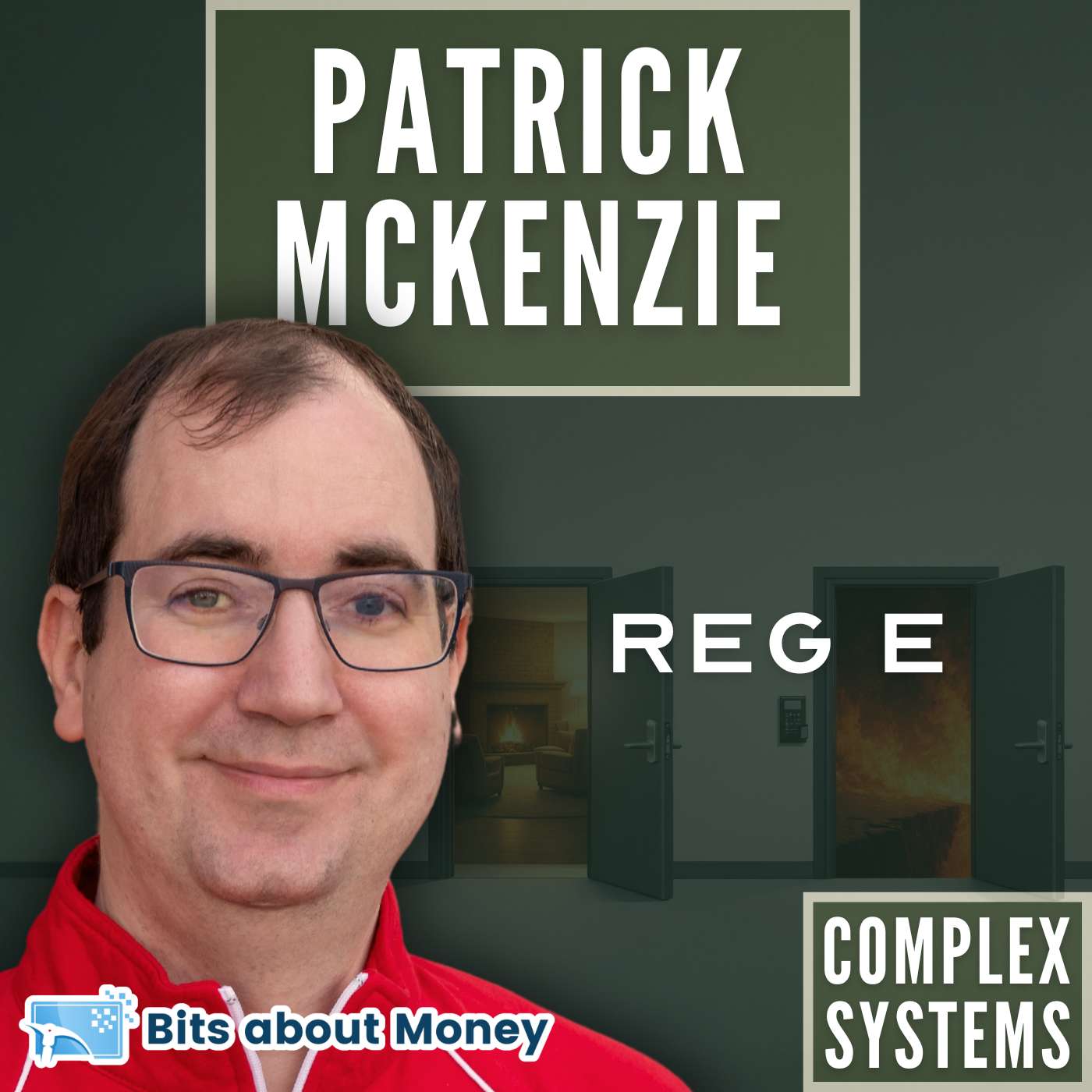
Regulation E, a 1979 law, legally mandates that financial institutions bear liability for unauthorized electronic fund transfers. This forces banks to create robust, consumer-friendly dispute systems like chargebacks, making them appear responsive when they are simply complying with strict federal rules that protect consumers.
To combat fraud, some credit funds use the prospective borrower's due diligence deposit to fund deep background checks on founders and management as the very first step. Any past financial impropriety, no matter how old, results in an immediate rejection, making recent high-profile frauds avoidable.

Unlike other tech verticals, fintech platforms cannot claim neutrality and abdicate responsibility for risk. Providing robust consumer protections, like the chargeback process for credit cards, is essential for building the user trust required for mass adoption. Without that trust, there is no incentive for consumers to use the product.

With many "Buy Now, Pay Later" (BNPL) services not reporting to credit bureaus, lenders face "stacking" risk where consumers take on invisible debt. To get a holistic view, lenders are increasingly incorporating cash flow data, like checking account trends, into their underwriting processes.

A government-imposed cap on credit card interest rates would make the business model unviable for most customers due to risk-reward dynamics. Banks would be forced to deny cards to anyone but the lowest-risk individuals, effectively canceling access to credit for the majority of the population.

Financial institutions generate significant revenue from customer errors like overdrafts and late fees. This income allows them to offer rewards and lower rates to more sophisticated, affluent customers, creating a system that exacerbates wealth inequality.
