Get your free personalized podcast brief
We scan new podcasts and send you the top 5 insights daily.
Unlike banks that react to fraud, Palmer Luckey's Erebor is proactively partnering with intelligence agencies from its inception. The goal is to design a system where fraud is nearly impossible, creating a moat that attracts legitimate, high-value clients while inherently repelling bad actors who prefer less scrutiny.

Related Insights
Erebor, a new bank from Palmer Luckey and Joe Lonsdale, achieved the fastest approval in 25 years by flipping the traditional growth model. Instead of aggressive lending, they plan to lend only 50% of deposits (vs. the typical 90%), signaling to regulators that stability, not risk, is their priority.

Palmer Luckey argues that relying on another bank's charter forces you to appease their risk tolerance and political pressures. Owning the charter means "the buck stops with you," ensuring you control your own de-banking and censorship decisions rather than having them dictated by upstream partners.
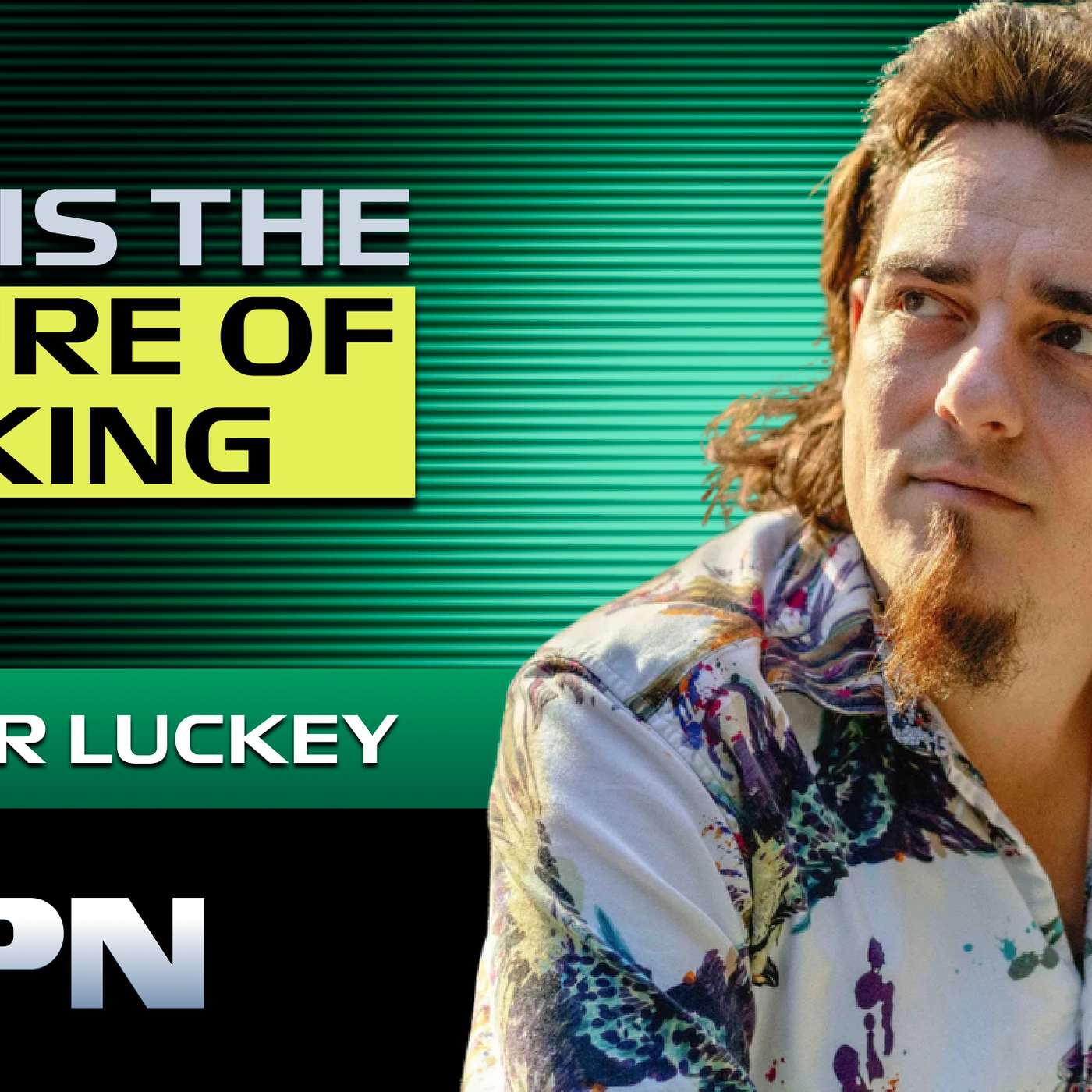
Contrary to being another SVB, Palmer Luckey's new bank Erebor is designed as its opposite. It targets tech and defense customers with a hyper-conservative model focused on high deposit-to-loan ratios, prioritizing capital safety over yield for its startup clients.
While AI can write code, Affirm CEO Max Levchin states it can't replicate the true moats of a fintech company. These include deep capital markets relationships, a full suite of money transmitter licenses (which take ~18 months to acquire), and years of building consumer trust.
Viewing fraud as its own form of infrastructure, with its own "APIs of evil," provides transferable lessons. By understanding how fraudulent systems are built and operate, we can gain insights to better architect and secure the legitimate, critical infrastructure in our lives.

Tarek Mansour views Kalshi's strict, federally regulated approach as a strategic advantage. It forces robust system pressure-testing and makes the platform an unattractive venue for fraud or insider trading, which naturally flows to unregulated, offshore alternatives.

While fast-moving, unregulated competitors like FTX garner hype, a deliberate, compliance-first approach builds a more resilient and defensible business in sectors like finance. This unsexy path is the key to building a lasting, mainstream company with a strong regulatory moat.

A defender's key advantage is their massive dataset of legitimate activity. Machine learning excels by modeling the messy, typo-ridden chaos of real business data. Fraudsters, however sophisticated, cannot perfectly replicate this organic "noise," causing their cleaner, fabricated patterns to stand out as anomalies.
Instead of reacting to court orders, Palmer Luckey's Erebor bank preemptively works with intelligence services. This strategy aims to create a fraud-resistant platform, attracting legitimate clients and deterring malicious actors from the start, turning compliance into a competitive advantage.
Palmer Luckey argues that fintechs relying on partner banks are vulnerable to a 'censorship chain.' A decision to de-platform a customer can be forced upon them by their partner's bank or payment processor. By securing its own charter, Erebor ensures the buck stops with them, preventing external parties from dictating its business decisions.