Get your free personalized podcast brief
We scan new podcasts and send you the top 5 insights daily.
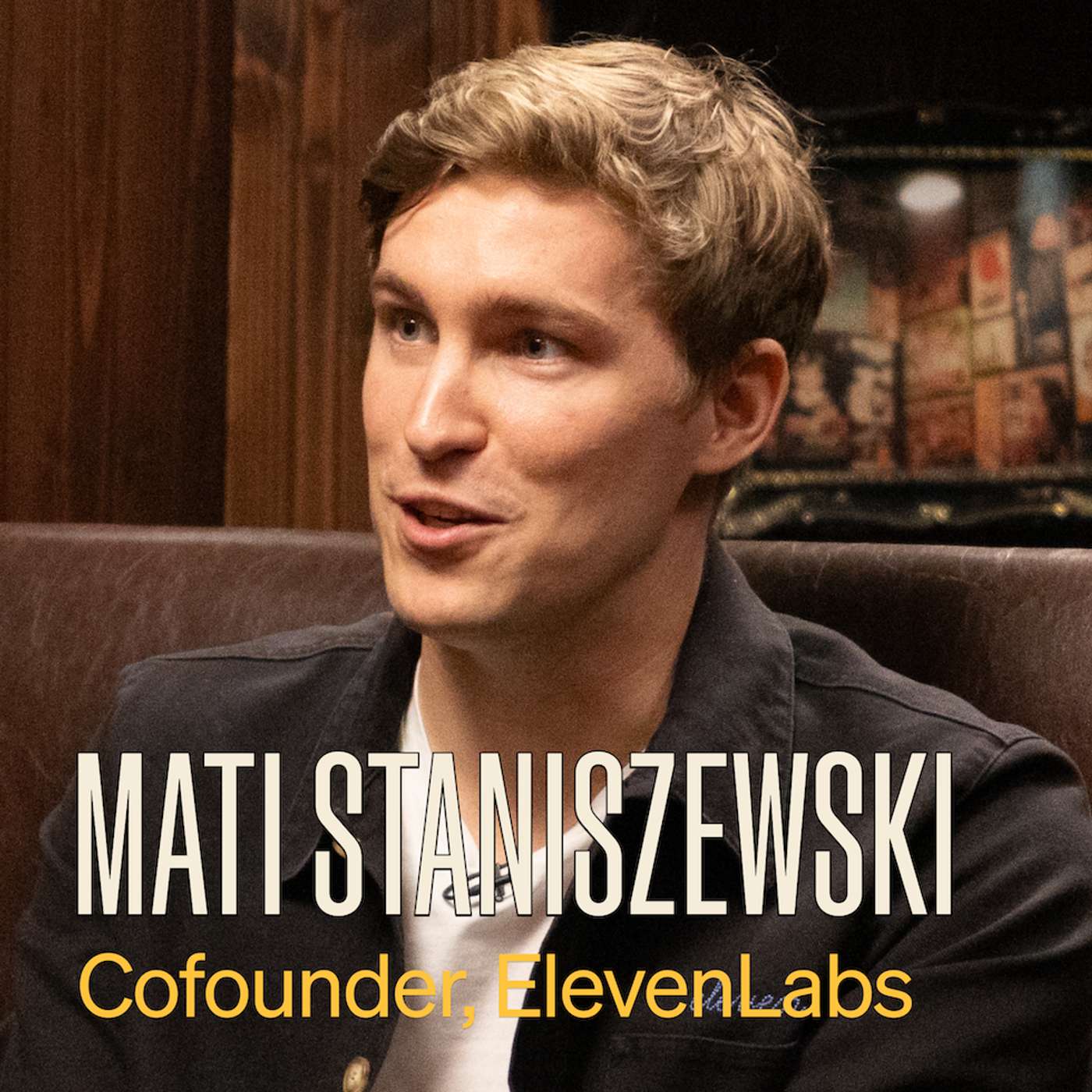
ElevenLabs places engineers directly within its go-to-market, legal, and people teams. This approach uplevels non-technical staff, automates complex workflows (like contract risk scoring), and ensures technical oversight for department-specific coding efforts, creating a significant operational advantage.

Related Insights
The forward-deployed engineer (FDE) model, using engineers in a sales role, is now a standard enterprise playbook. Its prevalence creates a contrarian opportunity: build AI that automates the FDE's integration work, cutting a weeks-long process to minutes and creating a massive sales advantage.

Instead of hiring for a role like "video editor," break the job into its core tasks. Analyze which individual workflows can be automated with AI first. This shifts focus from headcount to outputs, revealing opportunities to augment or replace traditional roles with technology.

Run HR, finance, and legal using AI agents that operate based on codified rules. This creates an autonomous back office where human intervention is only required for exceptions, not routine patterns. The mantra is: "patterns deserve code, exceptions deserve people."

To maximize AI's impact, ElevenLabs places dedicated technical resources directly within non-technical departments like operations and talent acquisition. This embedded 'tech lead' is responsible for identifying and building automation, upskilling the team, and bridging the gap between business needs and technical capabilities.
Legal AI company LaGora employs 100 lawyers as "Legal Engineers" who partner directly with clients. This illustrates that selling complex AI into traditional industries requires more than just software; it demands a dedicated team of domain experts to guide customers through workflow transformation and ensure successful adoption.

Instead of hiring a traditional Head of Ops, Chapter hired an AI engineer for the role. This led to automating complex compliance and licensing workflows across 50 states, allowing the company to handle a workload that typically requires 50-60 people with a team of just one and a half.

To build effective GTM automation, hire people who understand both the technology and the sales process. Vercel found success by transitioning its technical sales engineers—who were already former developers—into GTM Engineer roles. This ensures automated workflows are grounded in proven, real-world sales best practices.

Instead of traditional IT roles focused on software, an AI Ops person focuses on identifying and automating workflows. They work with teams to eliminate busy work and return hundreds of hours, shifting employees from performing tasks to directing AI.
Flexport is upskilling its non-technical staff through a 90-day "AI boot camp." By giving domain experts one day a week to learn low-code AI tools, the company empowers them to automate their own repetitive tasks, turning them into "lightweight engineers" who are closest to the problems.

At Block, the most surprising impact of AI hasn't been on engineers, but on non-technical staff. Teams like enterprise risk management now use AI agents to build their own software tools, compressing weeks of work into hours and bypassing the need to wait for internal engineering teams.