Get your free personalized podcast brief
We scan new podcasts and send you the top 5 insights daily.
Market-defining companies like Whole Foods and Airbnb faced dozens of rejections from venture capitalists who dismissed them as hippies or non-viable concepts. Jamie Siminoff observes that companies that raise capital effortlessly are frequently mediocre, whereas transformative, market-shifting inventions are inherently non-obvious and struggle to win investor approval.

Related Insights
Reid Hoffman's secret to successful contrarian investing isn't just finding unpopular ideas. It's about first identifying why intelligent people believe an idea like Airbnb or Facebook will fail, and then making a specific bet on why that smart critique is incorrect.

The key to transformative investments like LinkedIn and Airbnb isn't just spotting a good idea. It's identifying an idea that intelligent investors dismiss, understanding their reasoning, and then having a specific, contrarian thesis for why they are wrong and the idea will succeed.
Even professional venture capitalists struggle to predict their breakout hits. Morgan Housel notes that at his fund, the companies that became their biggest winners were not the ones they initially expected to succeed, while their 'obvious' bets often failed.

Collaborative Fund's Craig Shapiro passed on Uber's seed round ($4M valuation) because he perceived it as a 'black car' service for the rich. This highlights the common investor mistake of underestimating a market by failing to see how a premium service can eventually democratize an entire industry.

Investors often reject ideas in markets where previous companies failed, a bias they call "scar tissue." This creates an opportunity for founders who can identify a key change—like new AI technology or shifting consumer behavior—that makes a previously impossible idea now viable.

Truly great business ideas like Airbnb or Uber initially sound absurd. If everyone in a room agrees your idea is good, it’s a red flag for being too conventional. Success lies in the fine line between genius (good crazy) and unworkable (bad crazy).
Founders should anticipate that truly new ideas are first dismissed as "crazy," then accepted as "novel," and finally deemed "obvious." Understanding this progression helps entrepreneurs endure the initial skepticism and see it as a sign they are on the right track.

VCs in 2008 rejected Shopify because the existing market of 40,000 online stores was too small. They failed to see that Shopify wasn't just serving a market; its friction-reducing product would create a much larger one.
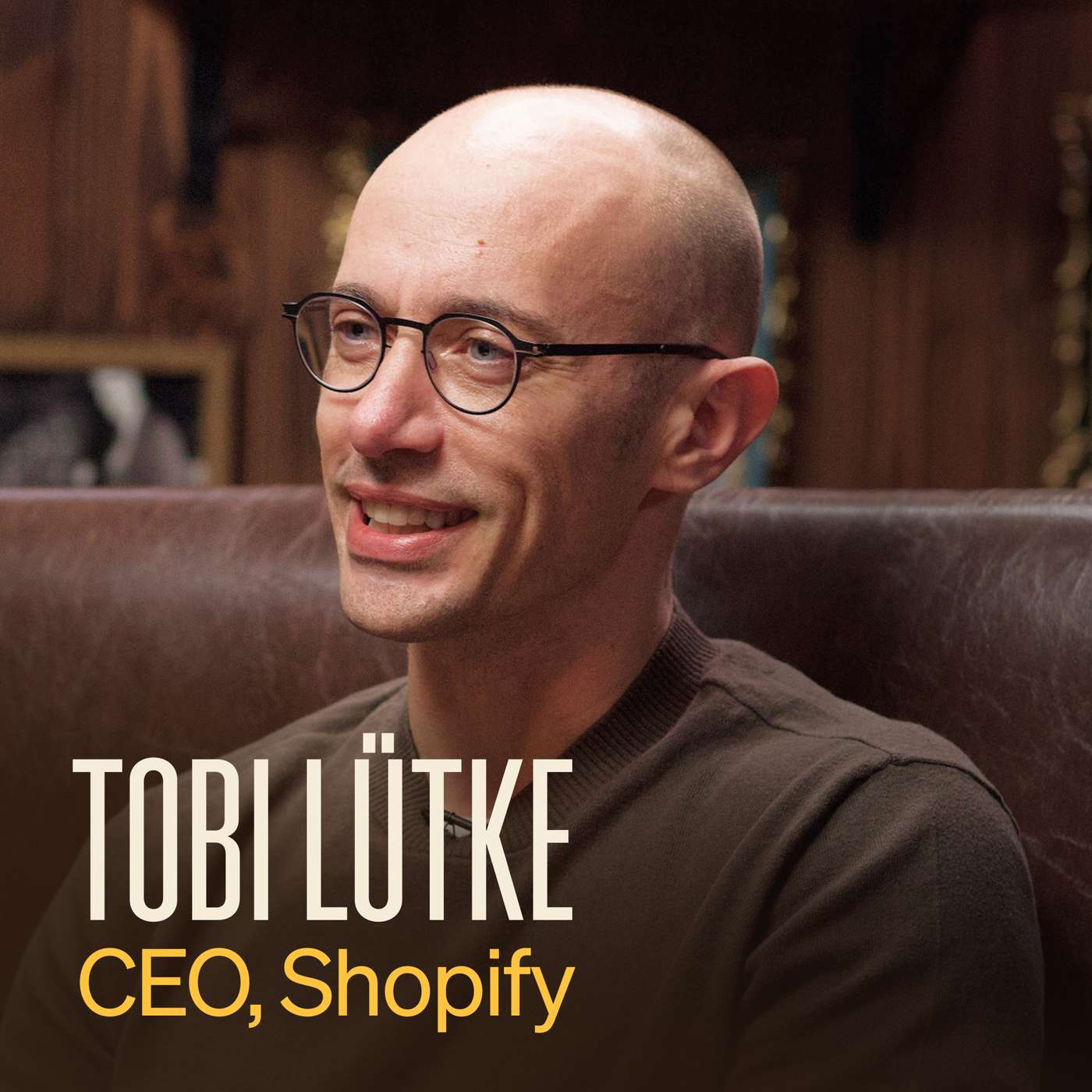
When an idea is met with a "wall of skepticism" from investors, it can be a positive sign of a good, non-obvious market. If every VC immediately validates your idea, it's likely too obvious and crowded. Proving early skeptics wrong with traction is a powerful path to building a defensible business.
Truly innovative business ideas often appear foolish or unworkable. Their value comes from a unique insight or "secret" a founder has uncovered through experimentation or research, which contradicts conventional wisdom. Investors look for this non-obvious, earned knowledge, as seen in the early days of Airbnb.
