Get your free personalized podcast brief
We scan new podcasts and send you the top 5 insights daily.
Living in a constant state of survival mode due to stress or trauma causes the nervous system to shut down non-essential functions. This includes the cortical brain region, which directly inhibits creativity, problem-solving, and long-term strategic thinking.

Related Insights
Dr. James Doty states that the brain's executive control network—responsible for productivity and creativity—is severely limited when you operate from fear, anxiety, or insecurity. Self-compassion is required to shift out of this state and unlock your full potential to act.
Asking an exhausted leader to make critical decisions is like asking someone to solve a complex problem while running uphill. The cognitive load leads to poor choices, decision avoidance, or total paralysis, directly wasting human potential and creating significant business risk.

Life operates on a finite energy budget divided between vital functions, stress responses, and growth/maintenance/repair (GMR). Energy allocated to stress is directly diverted from GMR, meaning chronic stress actively prevents your body from healing, repairing, and growing.

Constant productivity keeps the brain in a high-frequency "beta" state, which stifles creativity. To solve complex problems, you must intentionally shift to a slower "alpha" state by disconnecting. This is achieved through simple, non-distracting activities like walking in nature without your phone.

Neuroscience research shows social exclusion activates the same neural regions as physical pain. This triggers a chronic stress response (cortisol elevation) that shuts down the prefrontal cortex, crippling employees' capacity for creativity, critical thinking, and problem-solving.

Dr. Wendy Suzuki warns that long-term, chronic anxiety isn't just a feeling; it causes physical damage. It kills off dendrites and neurons in the hippocampus (memory) and prefrontal cortex (decision-making), literally shrinking these key brain areas and impairing their function over time.
Stress puts the brain in a high-alert, incoherent state where different regions fire out of order. This mental "static" prevents you from creating a strong, clear intention, effectively blocking your ability to attract desired outcomes and making your brain worse over time.

The brain's deliberative "Pause & Piece Together" system is suppressed by stress, which boosts the impulsive "Pursue" (reward) and "Protect" (threat) systems. This neurological process explains why we make rash choices when tired or under pressure.
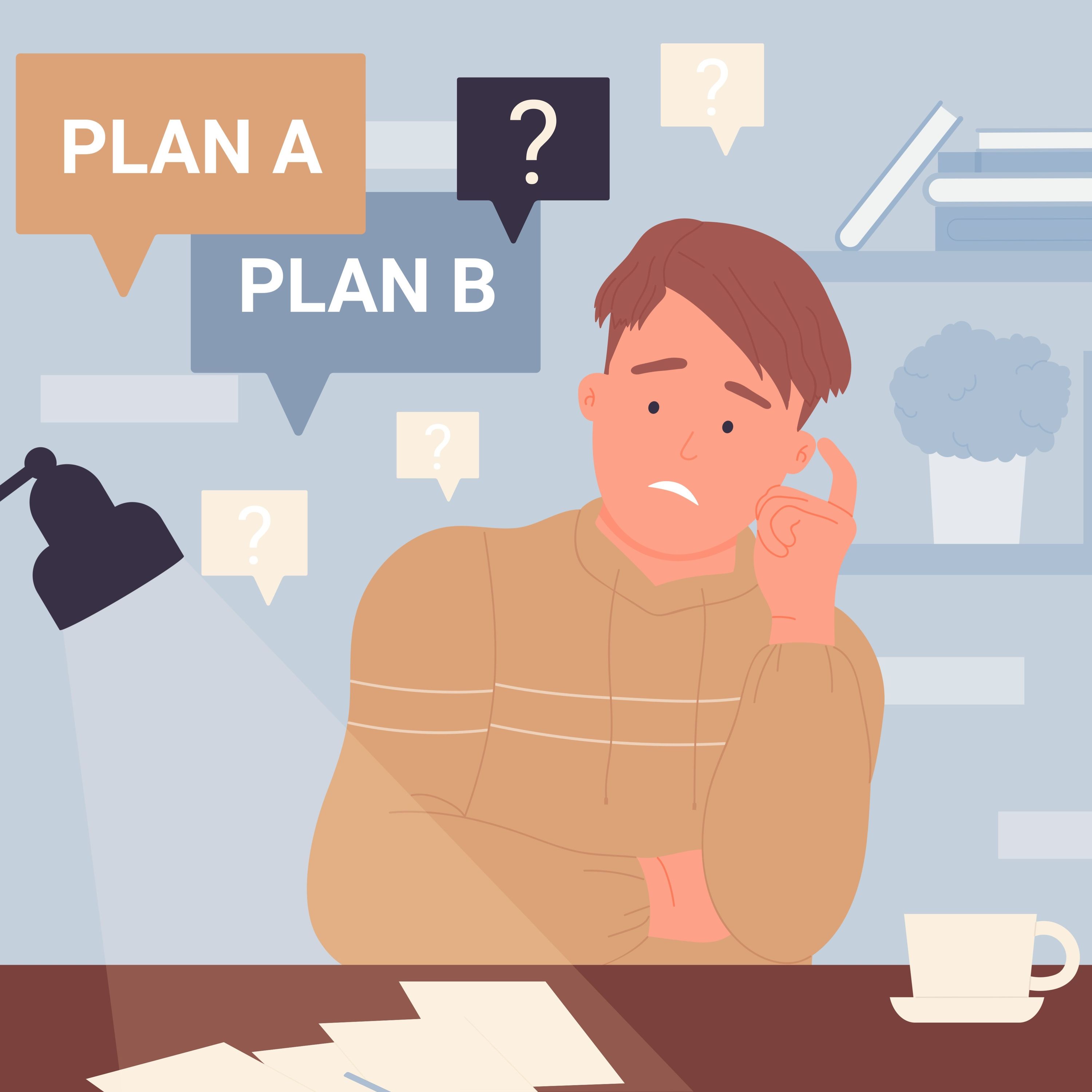
When stressed, your brain prioritizes immediate protection over long-term strategic thinking, creativity, and leadership. This leads to avoiding risks, rejection, and visibility—the very things necessary for career advancement. Your internal state, not your resume, is the primary bottleneck for success.

People experience stress when they are in a reactive state, constantly trying to manage external events. Tony Robbins argues that humans are creators. When you shift your focus from management to creation—designing your life, career, and relationships—fear and stress diminish.