Get your free personalized podcast brief
We scan new podcasts and send you the top 5 insights daily.
Jason Calacanis argues the outrage over students using AI to cheat is misplaced. The bigger problem is educators who are too lazy to design cheat-proof assessments or who also use AI to grade, creating an academic "YOLO" culture where authentic learning is impossible.

Related Insights
The education system is fixated on preventing AI-assisted cheating, missing the larger point: AI is making the traditional "test" and its associated skills obsolete. The focus must shift from policing tools to a radical curriculum overhaul that prioritizes durable human skills like ethical judgment and creative problem-solving.

Contrary to widespread panic, research indicates that the percentage of students who self-report using AI to generate an entire assignment is only 10%. This figure has remained stable for cheating over the years, regardless of technology. Most students use AI to explain concepts or generate ideas, not to plagiarize wholesale.
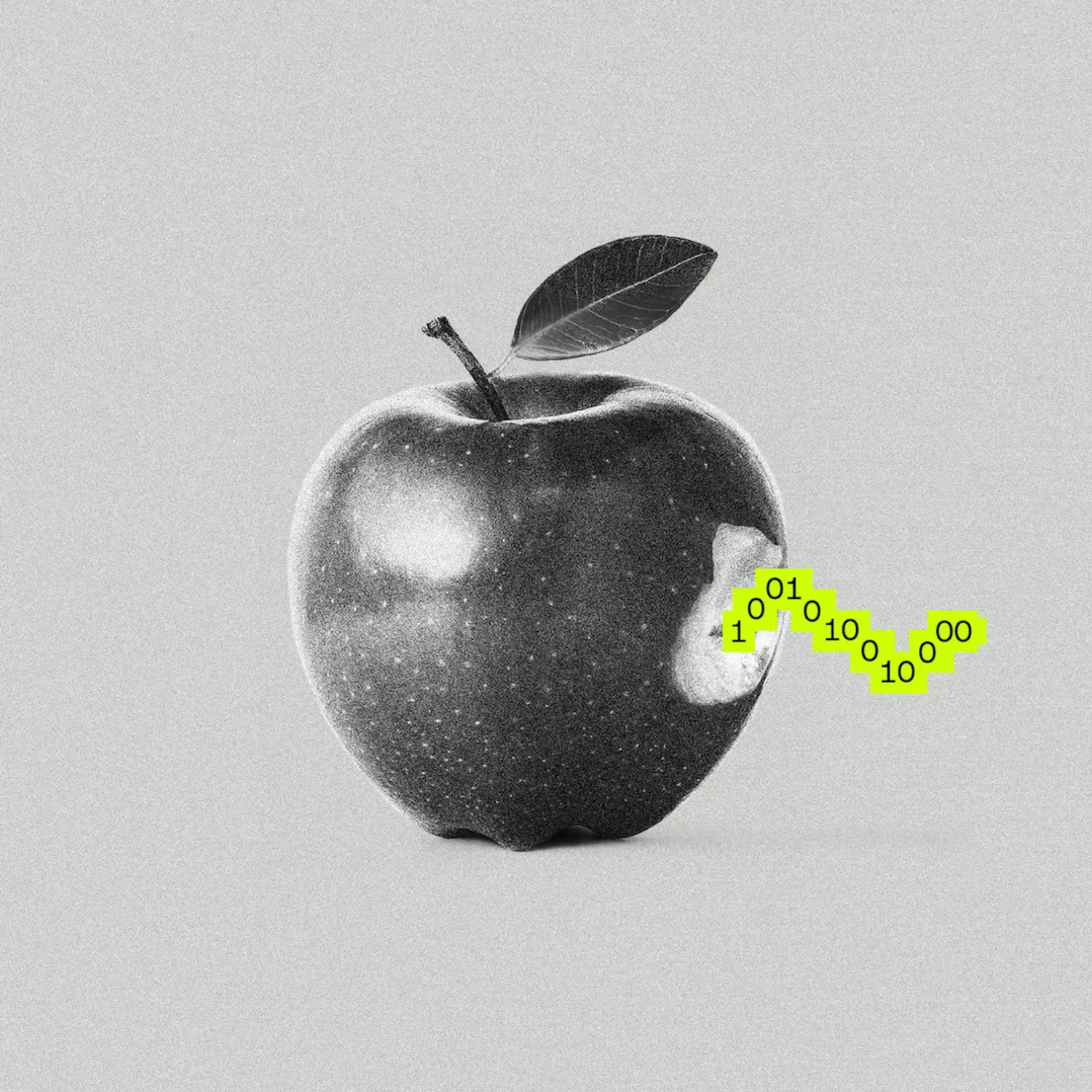
The recent surge in academic dishonesty is less about a moral decline and more a result of new AI tools making cheating easier to execute and significantly harder for educators to prove.

Students often use AI not out of laziness, but as a logical coping mechanism for an educational system prioritizing final grades over the learning process. Facing immense pressure from multiple courses and jobs, they see AI as a tool to produce a required "product" and survive, revealing a flaw in the system's incentives.
While cheating is a concern, a more insidious danger is students using AI to bypass deep cognitive engagement. They can produce correct answers without retaining knowledge, creating a cumulative learning deficit that is difficult to detect and remedy.

AI tools have made cheating so pervasive in higher education that they have dissolved academic foundations faster than they have disrupted the job market. This has bred a generation of cynical graduates who view the system as a performative farce.

Instead of policing AI use, a novel strategy is for teachers to show students what AI produces on an assignment and grade it as a 'B-'. This sets a clear baseline, reframing AI as a starting point and challenging students to use human creativity and critical thinking to achieve a higher grade.

Generative AI's appeal highlights a systemic issue in education. When grades—impacting financial aid and job prospects—are tied solely to finished products, students rationally use tools that shortcut the learning process to achieve the desired outcome under immense pressure from other life stressors.
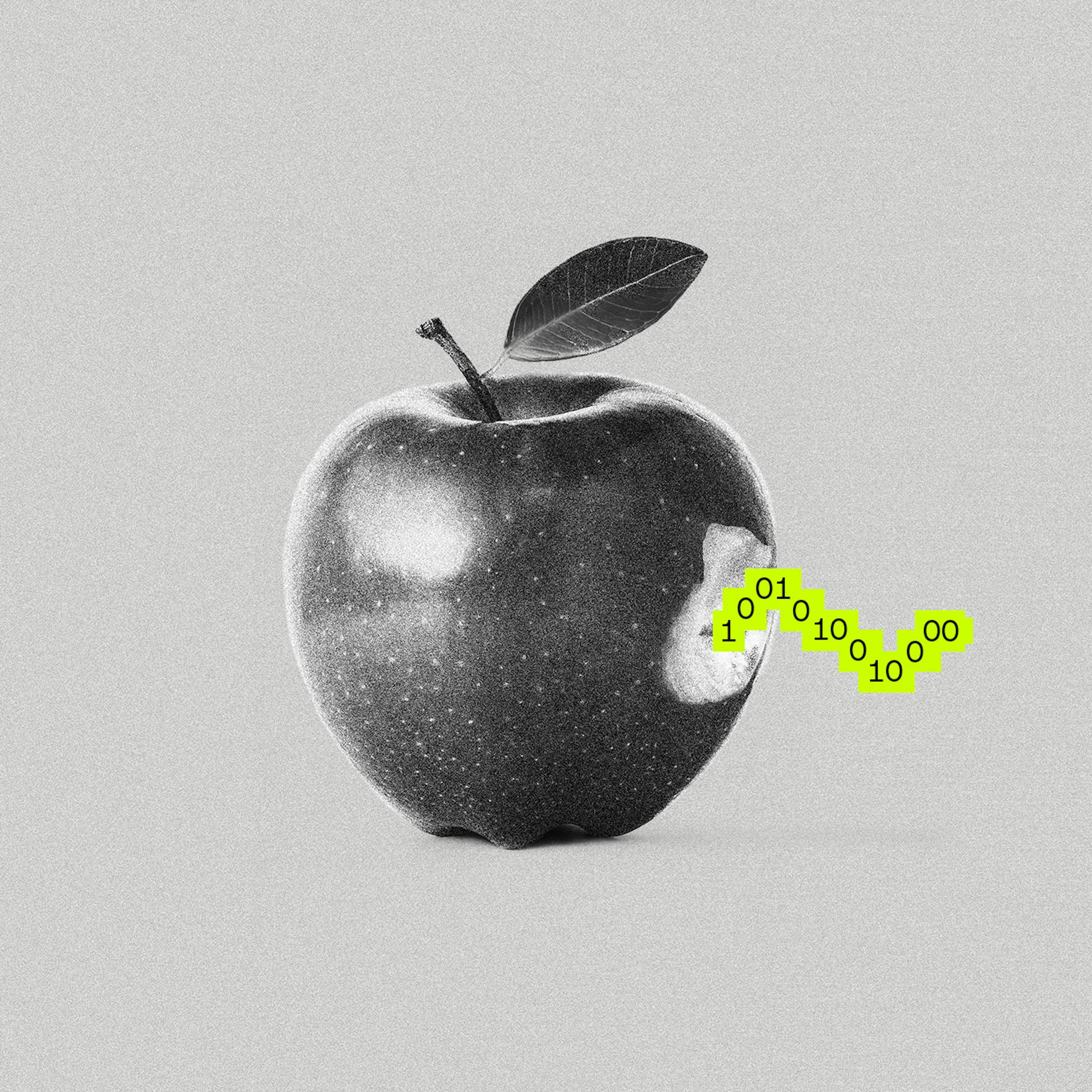
AI's true potential in education isn't being realized. Instead of banning it to prevent students from doing ninth-grade homework, schools should encourage them to use AI for ambitious projects like designing starships, thereby up-leveling their goals and skills.
The educational fear of AI-driven cheating misses the opportunity. The essential modern skill isn't rote memorization but the ability to use AI to find information and then critically assess the output for accuracy, evolving the teacher's role into coaching media literacy.
