Get your free personalized podcast brief
We scan new podcasts and send you the top 5 insights daily.
Years of navigating pandemics and supply chain shocks have forced healthcare companies to become more resilient. This "muscle memory" for transformation fuels their current optimism despite new policy and market pressures, as they feel better prepared to handle change.

Related Insights
FanDuel CEO Amy Howe's experience managing Ticketmaster through COVID, where revenue dropped to zero, gave her a unique comfort with ambiguity. This resilience became a key asset for leading a high-growth, volatile company like FanDuel.

The ability to remain calm and steady through market cycles and intense pressure is a distinct, non-negotiable skill for senior leaders. The Lovesack CEO has seen many otherwise smart and talented people fail because they couldn't manage the psychological strain, making this resilience a key differentiator.
Adaptable organizations are built on curiosity. This is nurtured not by formal courses, but by leaders encouraging small, daily acts of connecting disparate ideas (e.g., "What did you see this weekend and how can we apply it?"). This builds the collective "mental muscle" for navigating disruption.

Unlike past downturns where cutting costs was the primary defensive move, health execs now see continued investment in transformation as non-negotiable for long-term survival. The intense pressure is forcing a strategic shift, not just a tactical retreat.
The CEO of Resolution Therapeutics views cell therapy development through the lens of boxing. He emphasizes that just as a boxer must get up after being hit, a leader in this volatile field must possess the resilience to absorb constant setbacks, stay focused, and keep moving the company forward.

Companies used the "choppy" 2025 market to re-evaluate post-COVID spending, reduce redundancies, and implement automation. This disciplined cost takeout wasn't just about efficiency; it was about creating the operational and financial readiness to aggressively pursue new deals in the current year.

IBM's CEO found the COVID-19 pandemic made his corporate transformation 'much easier.' Widespread external disruption creates an environment where employees are more accepting of internal change, allowing leaders to implement difficult decisions in one year instead of three or four.
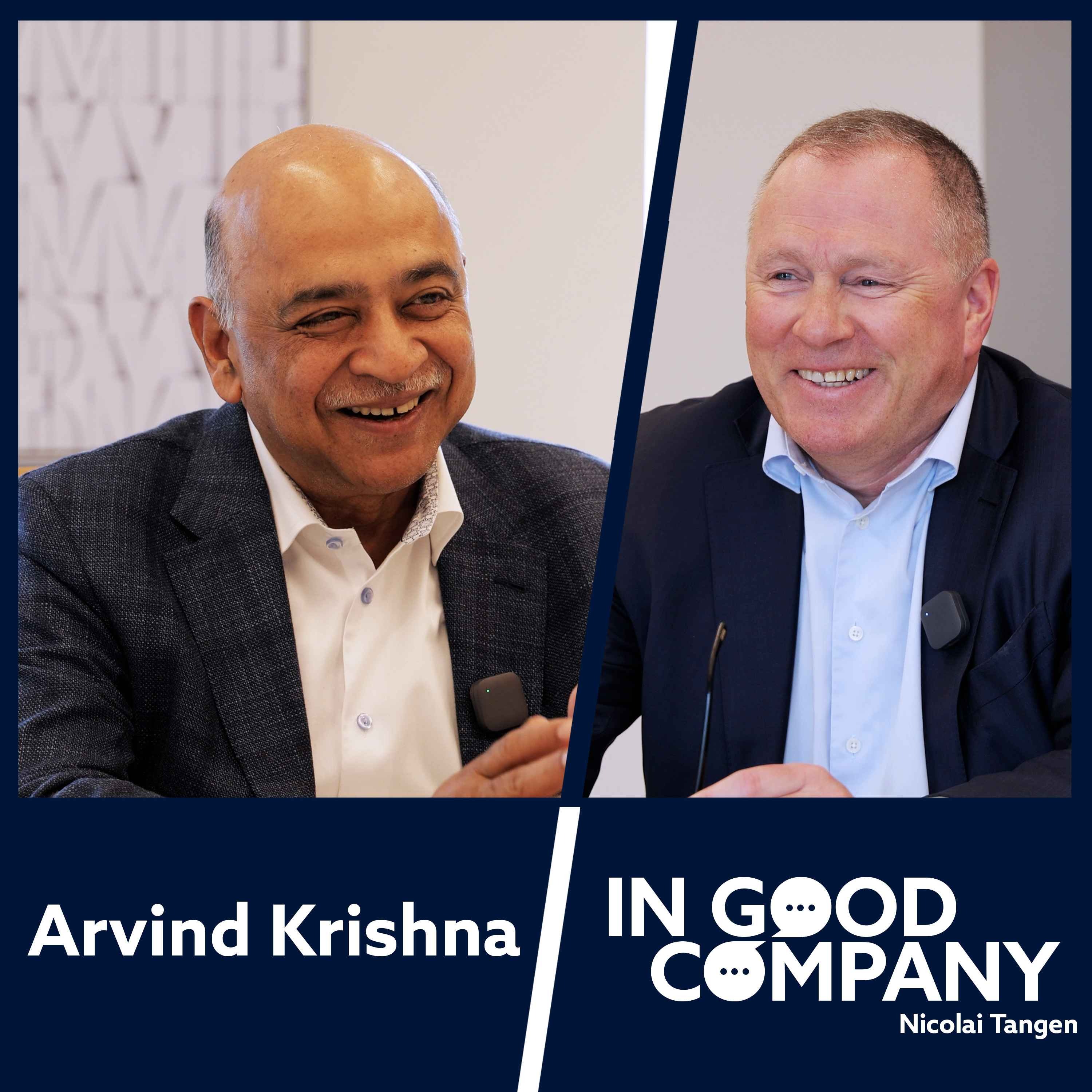
Contrary to the stereotype of being 'dusty' or resistant to change, companies that last for centuries are masters of adaptation. Their longevity is direct evidence of their forward-thinking ability to navigate crises, from wars and pandemics to technological disruption.

Resilience isn't a switch to be flipped during a crisis. It is the accumulated result of consistent habits, a supportive culture, and a psychological "margin" built over time. It is an outcome of intentional preparation, not an inherent trait you simply possess.

After facing COVID, the Ukraine war, and trade tensions, business leaders are more accustomed to instability. They are learning to maintain a long-term strategic focus and deploy capital despite short-term shocks, demonstrating a higher tolerance for risk than in previous eras.
