Get your free personalized podcast brief
We scan new podcasts and send you the top 5 insights daily.
The AI assistant Anna was born from a pivot after its prototype went viral in a "moms in tech" Facebook group. The key insight was discovering this latent demand where users were already trying to hack together their own solutions, a powerful signal of an urgent, unmet need.

Related Insights
The common startup process of interviewing many users, cataloging pain points in a spreadsheet, and force-ranking them feels scientific but is deeply flawed. It identifies common annoyances, not urgent, purchase-driving priorities. True market pull often emerges from a single, unplanned conversation where a customer reveals an immediate, unsolvable need.

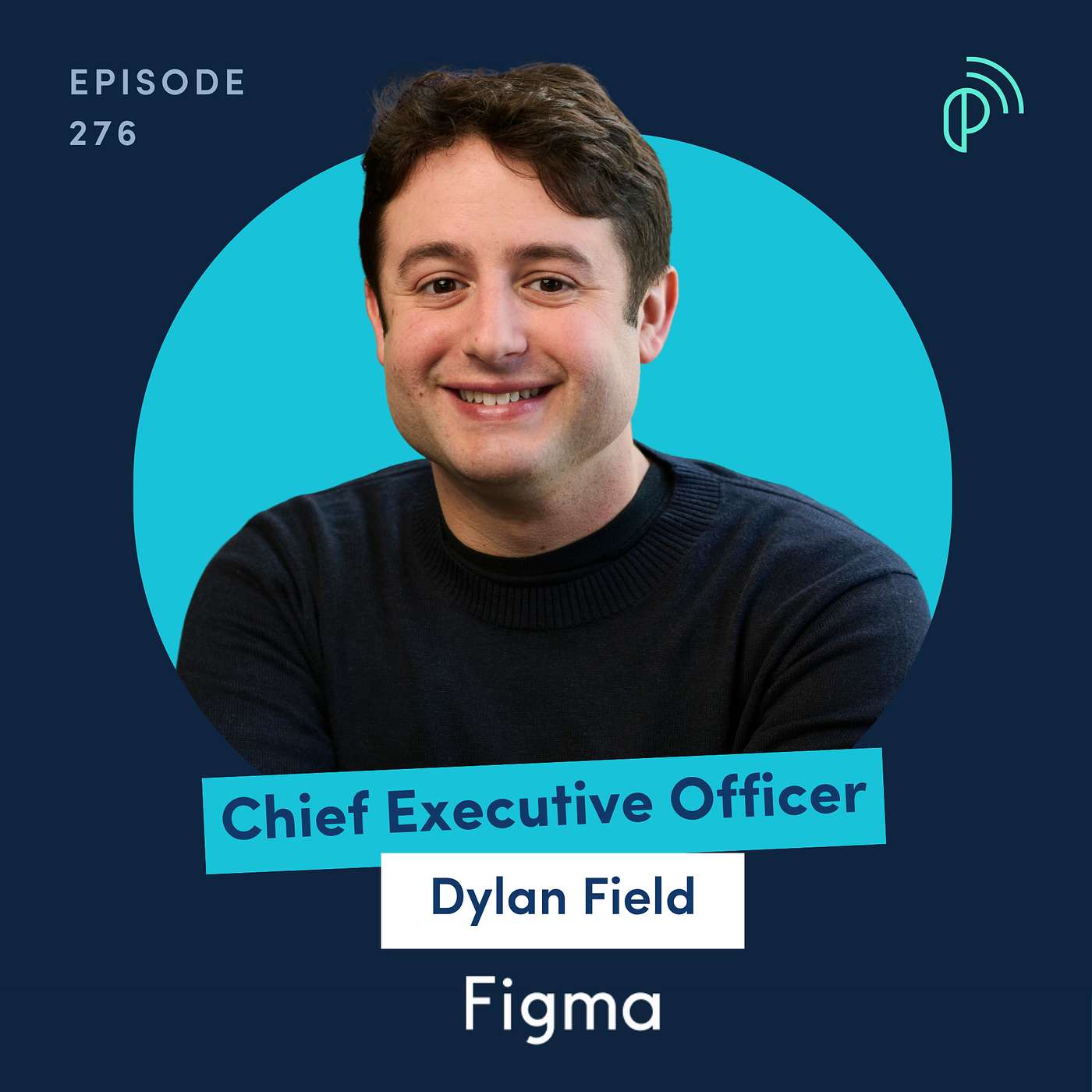
Figma's expansion into multiple products (FigJam, Slides) wasn't based on abstract strategy but on observing users pushing the main design tool to its limits for unintended use cases. Identifying these 'hacks' revealed validated market needs for dedicated products.
Intentionally create open-ended, flexible products. Observe how power users "abuse" them for unintended purposes. This "latent demand" reveals valuable, pre-validated opportunities for new features or products, as seen with Facebook's Marketplace and Dating features.

Major product opportunities are revealed by observing how customers use your product in unintended ways or "jump through hoops" to achieve a goal. For example, Anthropic noticed non-engineers struggling to use their coding tool, revealing the latent demand for CoWork, a knowledge-work assistant.

Identify how users are already "hacking" your product for unintended purposes (e.g., using Facebook Groups for commerce), then build dedicated features to serve that existing intent. You can't make people do new things, but you can help them do what they already want to do more easily.

AI agents can systematically analyze online communities to identify recurring user pain points and underserved market segments. This data-driven approach uncovers validated business ideas directly from potential customers' candid conversations, as shown by the "backyard chickens" example.

Don't start with a broad market. Instead, find a niche group with a strong identity (e.g., collectors, churchgoers) that has a recurring, high-stakes problem needing an urgent solution. AI is particularly effective at solving these 'nerve' problems.

When customers actively work around your product's intended functionality to solve a different problem, it's a powerful indicator of a more significant market need. Following this user behavior can lead to a successful pivot.

The pivot to Featherless AI wasn't a top-down strategic decision. It was prompted by observing a recurring pattern in online communities: AI fine-tuners on Reddit and Discord constantly asking how to run their custom models. This hobbyist-level demand signaled a much larger, unserved commercial market.

Instead of broad marketing, the founder saw immediate traction when a user shared his product in a highly targeted online community. This demonstrates how tapping into a niche group with a specific, unsolved problem can create powerful early momentum.
