Get your free personalized podcast brief
We scan new podcasts and send you the top 5 insights daily.
For functional CPG brands like Reckitt's Finish, directly marketing high-level emotions can feel inauthentic. The better strategy is to deliver a core functional promise (e.g., "confidence the dishes are done right"), creating a foundation that lets consumers connect to higher-order benefits on their own terms.
Related Insights
In a market saturated with products offering similar functional benefits, consumers make choices based on 'emotional ROI.' Brands must dig deeper than features and tap into the underlying emotional reasons for a purchase, connecting their purpose to the consumer's personal aspirations and feelings.

Not all reviews are created equal. Marketers should differentiate between emotional feedback and functional feedback. This allows for more precise messaging, using functional proof for practical-minded B2B buyers and emotional proof for industries where feeling is paramount.

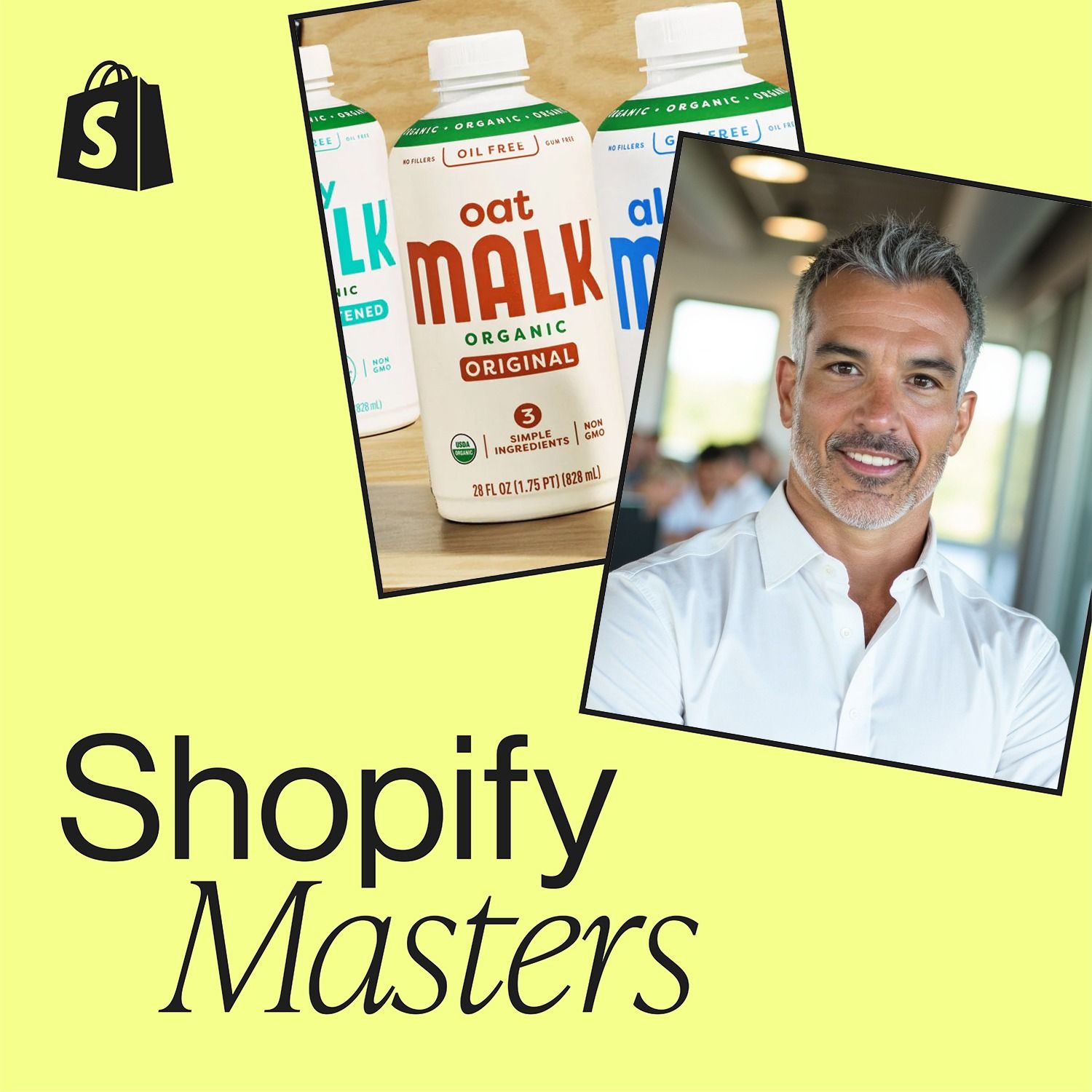
Malk's messaging evolved from focusing on what it lacked (gums, fillers) to highlighting the sensory experience of using the product. Recognizing that taste is paramount, the brand created assets showing the milk being poured into coffee or cereal. This shift from a rational, feature-based message to an emotional, benefit-driven one is key for brand maturation.
Unilever uses its SASSY framework (Science, Aesthetics, Sensorials, Said-by-others, Young-spirited) to create desirability. This model systematically elevates brands from functional "needs" to emotional "I have to have that" wants, applicable even to everyday products.

A study showed a purely emotional bank ad drove higher scores on rational attributes like "good customer service" than an ad that explicitly stated those facts. Making consumers feel good about a brand leads them to assume the rational proof points are also true.
Most product categories are commodities with minimal functional differences. Success, as shown by Liquid Death in the water category, hinges on building an emotional connection through branding and packaging, which are the primary drivers of consumer choice over minor product benefits.
While functional value is a prerequisite, products failing to connect with customers emotionally are vulnerable. Competitors who successfully address emotional needs—like reducing anxiety, offering rewards, or providing appealing aesthetics—can easily win market share, as emotional resonance is a powerful differentiator.

Directly labeling a product as 'wellness' can feel like an obligation. Instead, frame the marketing around the joyful feeling the product creates, like 'unlocking creativity.' This reframes the product from a chore into a desirable, positive experience.

A brand's marketing narrative should focus on the underlying emotional experience it provides, such as "family time" for a puzzle company. This single, powerful theme can unite a diverse portfolio of products under one compelling story, creating a stronger brand identity than marketing individual product features.
Move beyond listing features and benefits. The most powerful brands connect with customers by selling the emotional result of using the product. For example, Swishables sells 'confidence' for a meeting after coffee, not just 'liquid mouthwash.' This emotional connection is the ultimate brand moat.
