Get your free personalized podcast brief
We scan new podcasts and send you the top 5 insights daily.
To maintain the autonomy of its portfolio companies, Lagercrantz employs an extremely decentralized model. The parent company provides minimal overhead, centralizing only three core functions: banking relationships, insurance policies, and financial auditing. All other functions, including HR, remain at the individual company level, empowering local CEOs.

Related Insights
Experian uses a federated model where central functions like technology set global standards for security and governance, while regional CEOs adapt products to local economic contexts and regulations. This balances efficiency with market relevance.
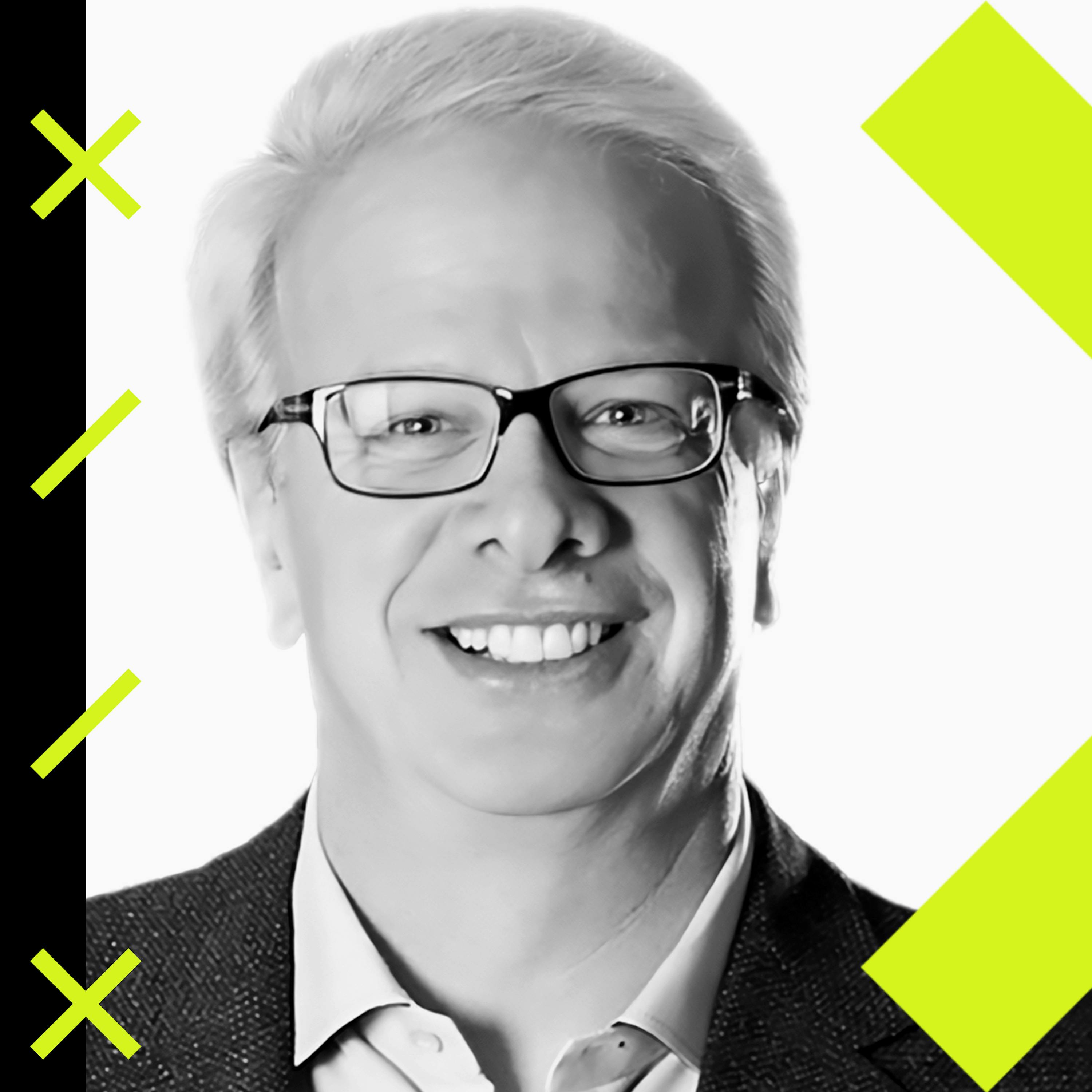
Decentralized acquirer Amitech maintains a central team of "black belts," who are experts in operational excellence. These specialists are deployed to subsidiaries to run "Kaizen events," helping them eliminate waste and improve processes. This model combines the autonomy of decentralization with the benefits of centralized expertise.
Paradoxically, the deeply decentralized Fairfax learned that centralization can be a tool to improve its core model. They consolidated four underperforming subsidiaries to align them with Fairfax's guiding principles. Once this cultural foundation was set, they could be successfully decentralized again with more autonomy and better results.

Amphenol runs as a federation of autonomous business units. This structure is key to its M&A success, as acquired companies retain their brand, culture, and customer intimacy. Sellers prefer Amphenol because they know their business won't be suffocated by a monolithic corporate hierarchy.
![Amphenol: The Nervous System for Electronics - [Business Breakdowns, EP.231] thumbnail](https://megaphone.imgix.net/podcasts/12224090-a969-11f0-8376-17eec14dbeda/image/0a04e3a7a1043d5d8dc383bcb4a6cdc1.jpg?ixlib=rails-4.3.1&max-w=3000&max-h=3000&fit=crop&auto=format,compress)
Lanzone structures Yahoo with autonomous business units ('states') led by general managers who own their P&L. Centralized functions like finance and HR operate at the 'federal' level. This balances entrepreneurial speed within units with centralized efficiency for shared services.

Running a diverse portfolio of businesses isn't about micromanagement but about delegation to deeply trusted individuals. This requires investing in people over years, treating them like family, and giving them ownership. The foundation of a multi-company empire is human infrastructure.

Home Depot's decentralized model gives regional presidents significant autonomy but with clear, unspoken boundaries—the "invisible fence." This fosters local ownership and agility while ensuring alignment with core company principles. Crossing the line results in a "zap," maintaining strategic cohesion without micromanagement.

The entire portfolio of 85+ companies and the M&A pipeline are managed by just 15 people across five divisions. These individuals are not just dealmakers; they are senior operators who also serve as board members for the acquired companies. This blended role ensures deep industry knowledge informs M&A and operational oversight.
To maintain agility while scaling, A16Z models itself after the original Hewlett-Packard, operating as a series of small, autonomous groups (e.g., crypto, infra). This structure blends the power and resources of a large organization with the speed and ownership of a small one.

Exor's governance model focuses on finding the right leaders and then giving them space to execute. They review plans and organizational structures but avoid micromanagement, viewing their role as a supportive yet challenging partner to the CEOs of their portfolio companies.
![Exor: Fiat Crisis to Ferrari Glory - [Business Breakdowns, EP.229] thumbnail](https://megaphone.imgix.net/podcasts/81a71ab6-9e6b-11f0-8aff-7bd806e17203/image/1c411f84b9b949374f0accaa0a5ff38a.jpg?ixlib=rails-4.3.1&max-w=3000&max-h=3000&fit=crop&auto=format,compress)