Get your free personalized podcast brief
We scan new podcasts and send you the top 5 insights daily.
John Singer Sargent's modern popularity is surging because his portrait style is uniquely suited for social media. The direct gaze of his subjects, bright colors, and depiction of luxury create alluring thumbnails that feel native to platforms like Instagram, offering a "backstage pass" that resonates with influencer-era audiences.

Related Insights
Social media has evolved into 'interest media.' The algorithm is so effective that the content itself—the words you use, your background, your appearance—is the primary targeting mechanism. Instead of chasing broad appeal, create content specifically for your ideal avatar, and the platform will find them for you.

Gary Vaynerchuk argues that platforms have evolved beyond a follower-based model ("social media"). Now, algorithms dominate, creating an "interest media" landscape where content is surfaced based on a user's demonstrated interests, regardless of whom they follow. This makes the content itself paramount over follower counts.

Analysis of Instagram stats showed the founder that posts featuring her, sharing behind-the-scenes content, and involving customers in decisions generate the most engagement. This validates the strategy of deeply intertwining the founder's personal identity with the brand.
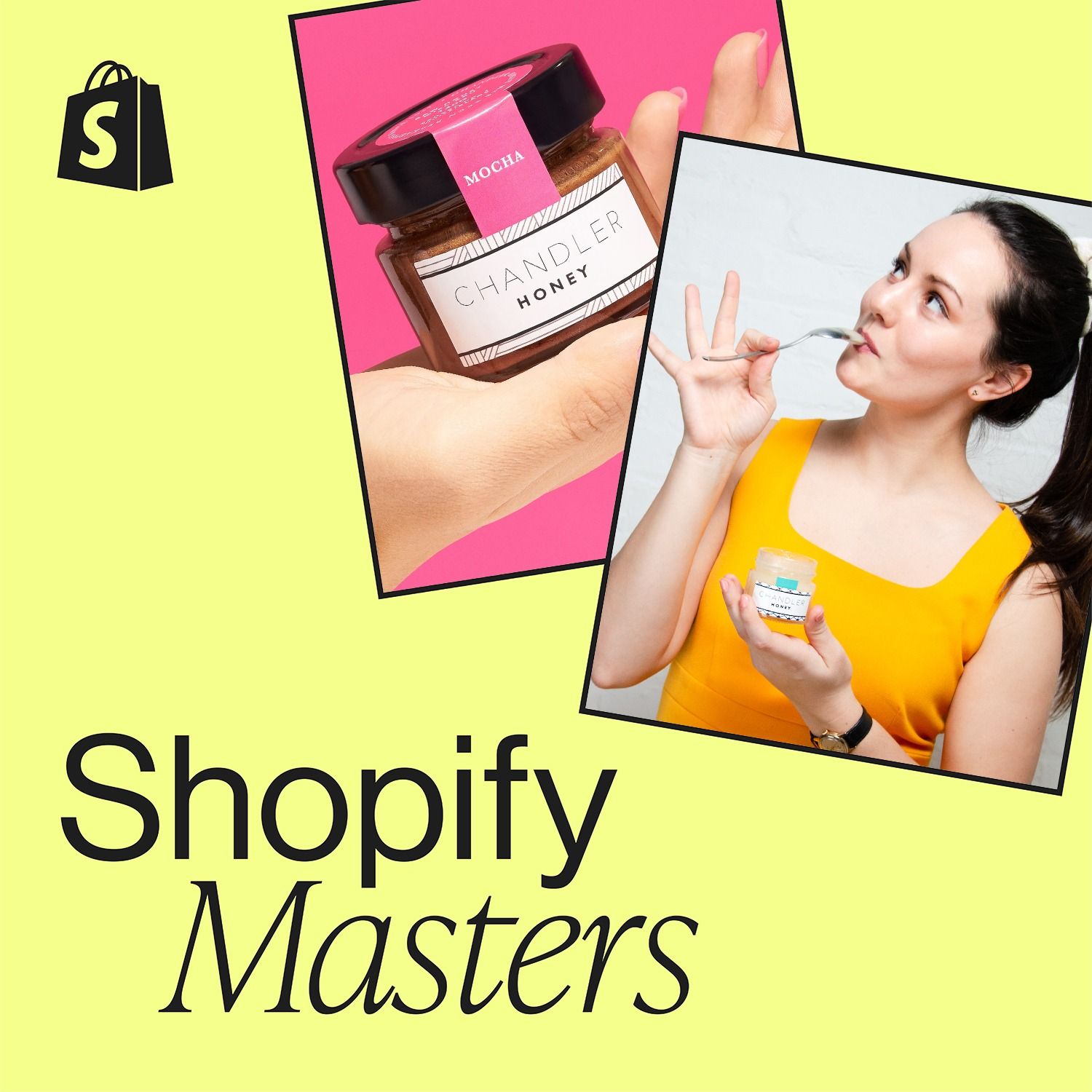
In a crowded digital space, products and marketing with a unique, even polarizing, visual style are more likely to capture attention and be memorable than those following standard design trends. Daring to be different visually can be a powerful competitive advantage.

Brands, especially in luxury, fear diluting their image with platform-native content. This fear is misplaced, as consumers are already defining the brand's perception through user-generated content at scale. Brands must participate to guide the narrative, as the "brand schizophrenia" they fear already exists.
Figures known for long-form content, like Ken Burns, are successfully reaching new audiences by repurposing their work into short, powerful clips for social media, combating shrinking attention spans and finding new relevance.

CEO Adam Mosseri observes a major cultural shift on Instagram away from the high-saturation, photoshopped look. The content now driving cultural relevance is its opposite: raw, unprocessed 'photo dumps.' In a world of hyper-production, users crave content that feels more authentic.

Platforms like TikTok and Instagram no longer primarily show content from accounts you follow. Their algorithms serve content based on demonstrated interests. This means content quality and relevance now trump follower count, leveling the playing field for new creators.
Owning the intellectual property of a well-known historical figure is a powerful asset. Use generative AI to "bring them back" as a virtual influencer. This character can create new content and engage modern audiences, but with the massive head start of pre-existing fame, authority, and credibility.
The era of building a follower list like an email list is over. Platforms now use an "interest graph," meaning a post from an account with few followers can go viral if the content is compelling. This shift democratizes reach and prioritizes content quality above all else.