Get your free personalized podcast brief
We scan new podcasts and send you the top 5 insights daily.
Rather than issuing cease-and-desist notices for unintended product uses, Vaseline tested community life hacks inside their scientific labs. Awarding creators with an official verification badge drove hundreds of millions of views, prestigious advertising awards, and consecutive quarters of double-digit revenue growth.

Related Insights
Figma's expansion into multiple products (FigJam, Slides) wasn't based on abstract strategy but on observing users pushing the main design tool to its limits for unintended use cases. Identifying these 'hacks' revealed validated market needs for dedicated products.
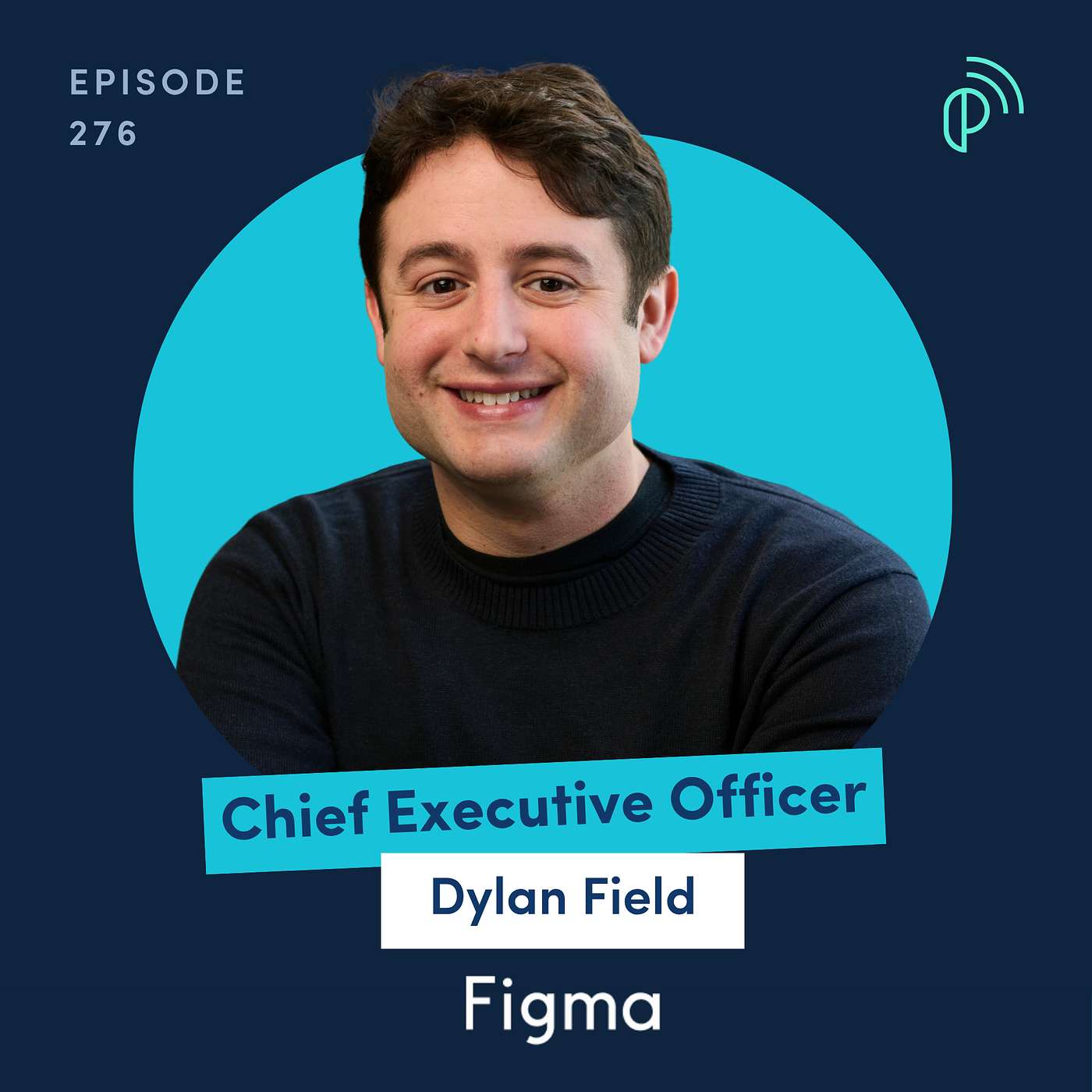
Intentionally create open-ended, flexible products. Observe how power users "abuse" them for unintended purposes. This "latent demand" reveals valuable, pre-validated opportunities for new features or products, as seen with Facebook's Marketplace and Dating features.
To maximize the impact of community engagement, Wiz offers tangible, status-enhancing rewards. After completing a difficult hacking challenge, users receive a custom-made certificate of excellence. This praises their skill and gives them a professionally valuable artifact to share, turning a single engagement into widespread, user-driven promotion.

Vaseline turned verified community hacks into packaged retail merchandise branded as Vaseline Originals. To reward user-driven innovation, the brand pays a percentage of physical product revenue directly back to creators, applying YouTube's creator monetization model to consumer packaged goods.
Zapier evolved from a simple trigger-action tool by observing how advanced users "hacked" it for unintended purposes. When users treated Google Sheets like databases, Zapier built Tables and Interfaces, proving that emergent behavior is the clearest signal for your product roadmap.

Identify how users are already "hacking" your product for unintended purposes (e.g., using Facebook Groups for commerce), then build dedicated features to serve that existing intent. You can't make people do new things, but you can help them do what they already want to do more easily.

The AI assistant Anna was born from a pivot after its prototype went viral in a "moms in tech" Facebook group. The key insight was discovering this latent demand where users were already trying to hack together their own solutions, a powerful signal of an urgent, unmet need.

Uber observed users unofficially using its Courier service for personal shopping. Instead of stopping it, they recognized this "hack" as a clear market signal and built a dedicated "Shop for Me" feature, turning user ingenuity into a new product.

Blackstone develops new accessories not by inventing needs, but by watching what customers do. They noticed people using modified cake pans as melting domes on YouTube and created an official product. This consumer-driven approach ensures product-market fit for ancillary items.

When customers actively work around your product's intended functionality to solve a different problem, it's a powerful indicator of a more significant market need. Following this user behavior can lead to a successful pivot.
