Get your free personalized podcast brief
We scan new podcasts and send you the top 5 insights daily.
Blackstone develops new accessories not by inventing needs, but by watching what customers do. They noticed people using modified cake pans as melting domes on YouTube and created an official product. This consumer-driven approach ensures product-market fit for ancillary items.

Related Insights
Figma's expansion into multiple products (FigJam, Slides) wasn't based on abstract strategy but on observing users pushing the main design tool to its limits for unintended use cases. Identifying these 'hacks' revealed validated market needs for dedicated products.
Intentionally create open-ended, flexible products. Observe how power users "abuse" them for unintended purposes. This "latent demand" reveals valuable, pre-validated opportunities for new features or products, as seen with Facebook's Marketplace and Dating features.

Rather than guessing what customers want, Pistakio launched its date bark after noticing many social media posts where users combined their spread with dates. This community-driven R&D ensures new products launch with pre-existing demand.

The biggest market opportunities often exist in solving problems consumers have learned to live with. Success requires educating the market that a solution is possible, rather than capturing existing search demand for a known product type.
Identify how users are already "hacking" your product for unintended purposes (e.g., using Facebook Groups for commerce), then build dedicated features to serve that existing intent. You can't make people do new things, but you can help them do what they already want to do more easily.

Uber observed users unofficially using its Courier service for personal shopping. Instead of stopping it, they recognized this "hack" as a clear market signal and built a dedicated "Shop for Me" feature, turning user ingenuity into a new product.

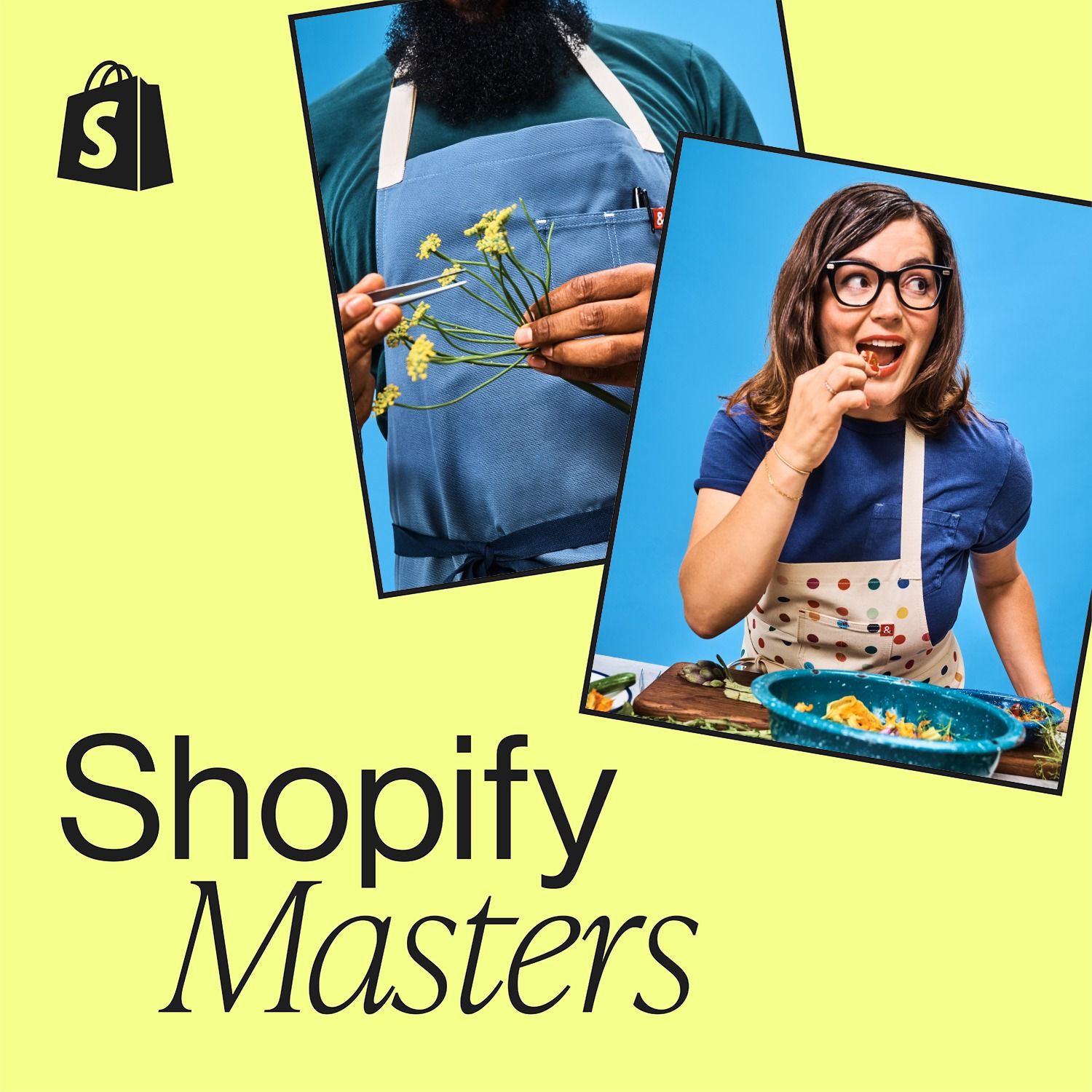
Hedley & Bennett founder Ellen Bennett, a line cook herself, used top chefs as a real-time focus group. By asking her target audience directly what was wrong with existing products and what they needed, she gathered all the building blocks to create a superior product without formal R&D.
Innovation isn't random. Pampers' wetness indicator solves a clear problem: parents need to know if a diaper is wet, but the existing option (taking it off) is inefficient. By identifying this unavoidable task and its bad workaround, the exact shape for a winning new feature becomes clear.

Instead of expensive R&D labs, Coop treats customer reviews as its core product development process. This approach is not only cost-effective but also ensures they are directly addressing real user problems, leading to a product that continuously improves based on daily user testing.
To ensure market fit, Kōv Essentials records TikTok videos unboxing manufacturing samples and directly asks for community feedback on the design. For products the founder can't personally test, they send samples to a dedicated test group of customers, building hype and de-risking new product launches.