Get your free personalized podcast brief
We scan new podcasts and send you the top 5 insights daily.
CRISPR's origins lie in basic microbiology. Scientists studying unusual repeating DNA sequences in bacteria discovered they were part of an adaptive immune system. Bacteria use CRISPR to recognize and cut the DNA of invading viruses (bacteriophage), a mechanism that was then repurposed for gene editing.

Related Insights
A convergence of DNA sequencing, CRISPR, and AI allows scientists to move beyond just understanding biology to actively intervening. Medicine is now programming cellular behavior by rewriting DNA, representing a "step function" leap in what's achievable for treating disease at its root cause.
Instead of using CRISPR for gene editing (cut and replace), Seek Labs harnesses its natural function. Their platform programs CRISPR to find and 'chop up' viral DNA and RNA, directly lowering the viral load and allowing the host's immune system to take over.

Unlike typical pathogens, mirror bacteria would be immune to their natural predators like viruses (bacteriophages). This advantage could allow them to proliferate uncontrollably in soil and oceans, creating a permanent environmental reservoir for infection and potentially outcompeting essential natural microbes.
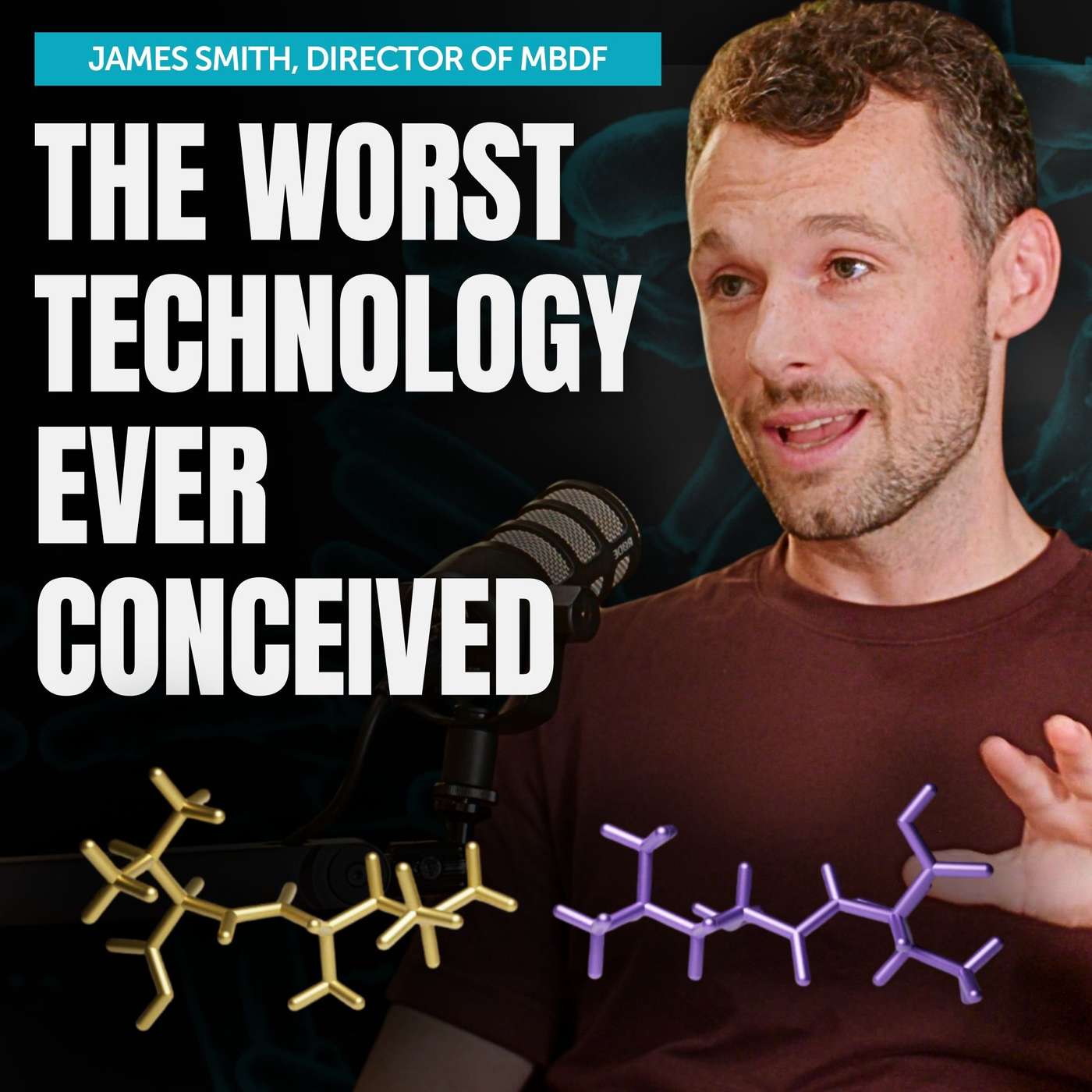
Unlike inherited DNA, each T-cell creates a unique receptor by randomly recombining DNA segments. This probabilistic process generates a vast diversity of sensors, allowing the immune system to have cells "lying there and waiting" to recognize and combat entirely new viruses or bacteria.
CRISPR reframes its commercial strategy away from traditional drug launches. By viewing gene editing as a 'molecular surgery,' the company adopts a go-to-market approach similar to medical devices, focusing on paradigm shifts in hospital procedures and physician training.

The commercial advantage of one-time CRISPR/Cas9 therapies is shrinking. Advancements in RNA modalities like siRNA now offer durable, long-lasting effects with a potentially safer profile. This creates a challenging risk-reward calculation for permanent gene edits in diseases where both technologies are applicable, especially as investor sentiment sours on CRISPR's long-term safety.
Gene editing pioneer David Liu is developing a platform that could treat multiple, unrelated genetic diseases with a single therapeutic. By editing tRNAs to overcome common nonsense mutations, one therapy could address a wide range of conditions, dramatically increasing scalability and reducing costs.
Delivering the CRISPR-Cas9 complex into delicate primary human T-cells was a major hurdle. The solution was electroporation, an old technique that uses an electrical current to create temporary pores in the cell membrane, allowing the CRISPR machinery to enter. This non-obvious method unlocked T-cell engineering.
For over a decade, slow growth rates and poor yields made cyanobacteria commercially unfeasible. The recent discovery of a faster-growing strain, combined with new genetic modification tools, has finally unlocked its industrial potential, closing the efficiency gap with established microbes like E. coli.

Patrick Collison believes we can finally cure complex diseases because biology now has a complete 'Turing loop': advanced sequencing to 'read' biological data, neural networks to 'think' about it, and CRISPR to 'write' changes by perturbing cells. This combination provides the necessary toolset for breakthroughs.
