Get your free personalized podcast brief
We scan new podcasts and send you the top 5 insights daily.
A transformed Steve Jobs realized that when working with highly talented people who can get another job in minutes, the traditional hierarchy inverts. The CEO is effectively at the bottom, working to serve the brilliant people doing the actual work.

Related Insights
Elon Musk's management playbook is built on a few core principles: only engineers truly matter, the CEO must violate the chain of command to talk directly to line engineers, and the CEO's job is to parachute in weekly to fix the single biggest bottleneck by working alongside them.
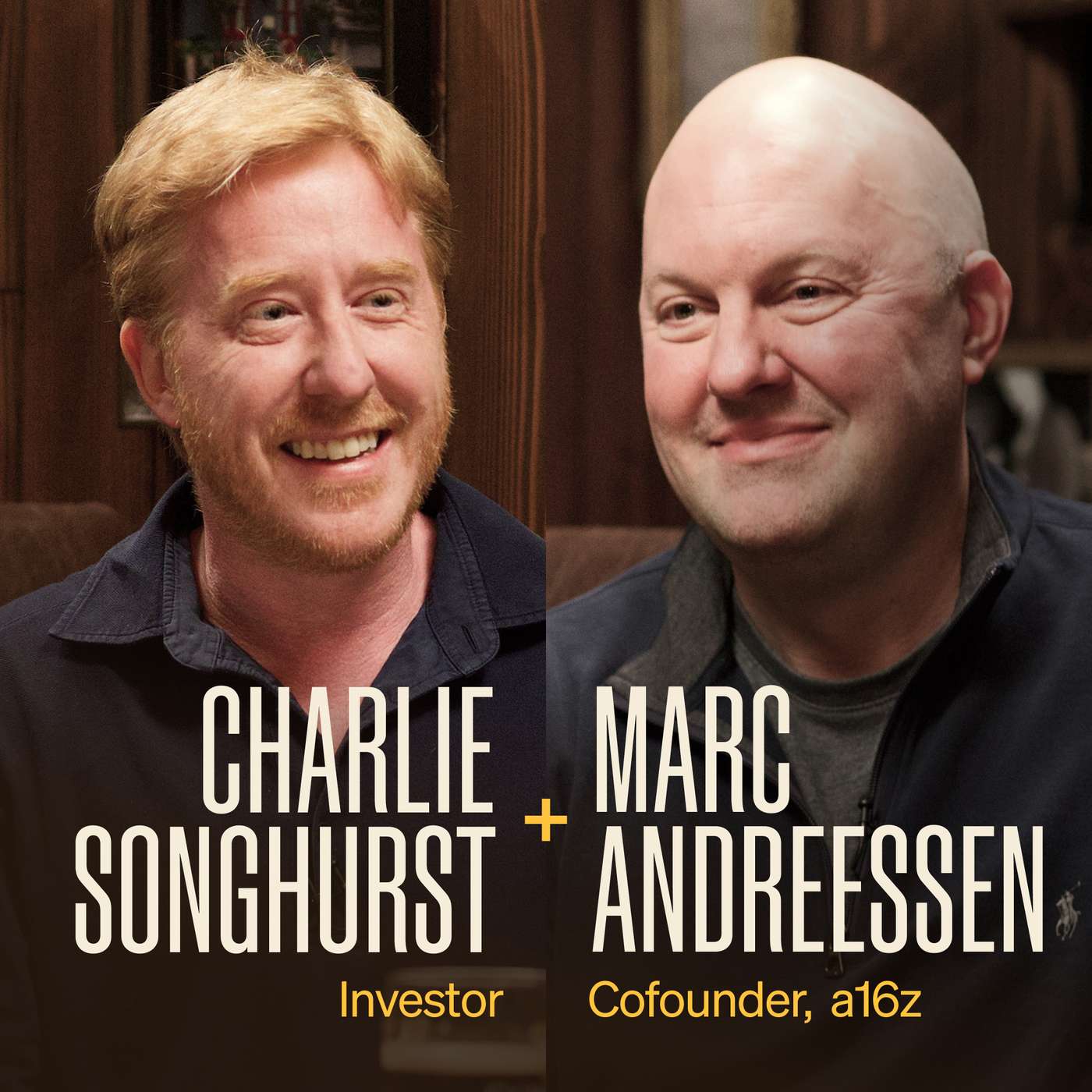
McLaren's CEO Zak Brown re-frames leadership as a service function. His primary job is to ensure his 1,400-person team has the tools, funding, and motivation to succeed. He sees himself as one employee whose responsibility is to "keep them all fed and hungry."

Effective leadership in a fast-moving space requires abandoning the traditional org chart. The CEO must engage directly with those closest to the work—engineers writing code and salespeople talking to customers—to access unfiltered "ground truth" and make better decisions, a lesson learned from Elon Musk's hands-on approach.

Huang eschews traditional hierarchy, engaging directly with employees at all levels and delivering feedback publicly. This "parallel processing" management style ensures rapid, simultaneous learning across the organization, mirroring the architecture of the GPUs his company builds and creating a uniquely flat structure for a company of its size.

At Crisp.ai, the core value is that the best argument always wins, regardless of who it comes from—a new junior employee or the company founder. This approach flattens hierarchy and ensures that the best ideas, which often originate from those closest to the product and customers (engineers, PMs), are prioritized.
The most valuable creative talent is often the most difficult to manage. Forcing everyone into a mold of the 'good corporate citizen' engineers mediocrity. A key leadership skill is managing peculiar, non-conformist individuals who drive disproportionate value.

The traditional hierarchy of 'employees work for me' often leads to mismanagement and a poor culture. A simple but profound shift in perspective to 'I work for my employees' fundamentally changes a leader's approach to motivation, support, and management, fostering a more empowered and effective team.

The CEO's role isn't to be the primary innovator but to enable a high-performing team. This "basketball coach" model focuses on providing the resources, culture, and strategic direction for the experts on the team to succeed, rather than trying to score all the baskets personally.

Despite VC preference for co-founding teams, history shows that iconic companies are almost always driven by one singular personality. Co-founders often exit or take a backseat over time, as seen with Steve Jobs's solo turnaround of Apple.

The most important job of a leader is team building. This means deliberately hiring functional experts who are better than the CEO in their specific fields. A company's success is a direct reflection of the team's collective talent, not the CEO's individual brilliance.
