Get your free personalized podcast brief
We scan new podcasts and send you the top 5 insights daily.
Instead of fighting or hiding bans of its beach canopies, Shibumi lists banned locations on its website. This transforms negative local regulations into a form of social proof and free marketing, amplifying brand notoriety and creating a 'banned is cool' appeal.

Related Insights
When regulators ban a substance that users perceive as effective, it can trigger intense public curiosity. The FDA's 2023 ban on popular peptides created a narrative that 'they wouldn't have banned it if it weren't working,' transforming a regulatory action into a powerful, organic marketing event amplified by social media platforms like TikTok.

By launching a beer so strong (30% ABV) that it is illegal in 15 states, Sam Adams creates an aura of exclusivity and rebellion. This "banned" status generates significant earned media and attracts connoisseurs, turning a product limitation into a powerful marketing tool that reinforces the brand's craft credentials.

A perceived product flaw can be a primary value proposition for a different type of customer. For example, a diffuse global audience, useless to local venues, becomes a powerful asset for organizations aiming for international reach, unlocking a new market.

When traditional ad platforms like Meta and Google ban or restrict a brand, it forces a search for alternative, often more creative, marketing channels. For luxury watch dealer Luxury Bazaar, this led to building a highly successful YouTube empire as their primary growth engine.

A ban on a product or activity, like pickleball, can generate significant positive attention and increase consumer demand. By making something feel rebellious or forbidden, a ban creates an allure that traditional marketing can't replicate, as seen with brands like Uber and Red Bull.
Whoop's ban from the Australian Open created a narrative that its health data was 'too powerful,' serving as potent, free marketing. This Streisand-like effect drove awareness and desirability, positioning the wearable as a game-changing performance tool rather than just a passive tracker. A ban suggests a product is so effective, it's almost cheating.

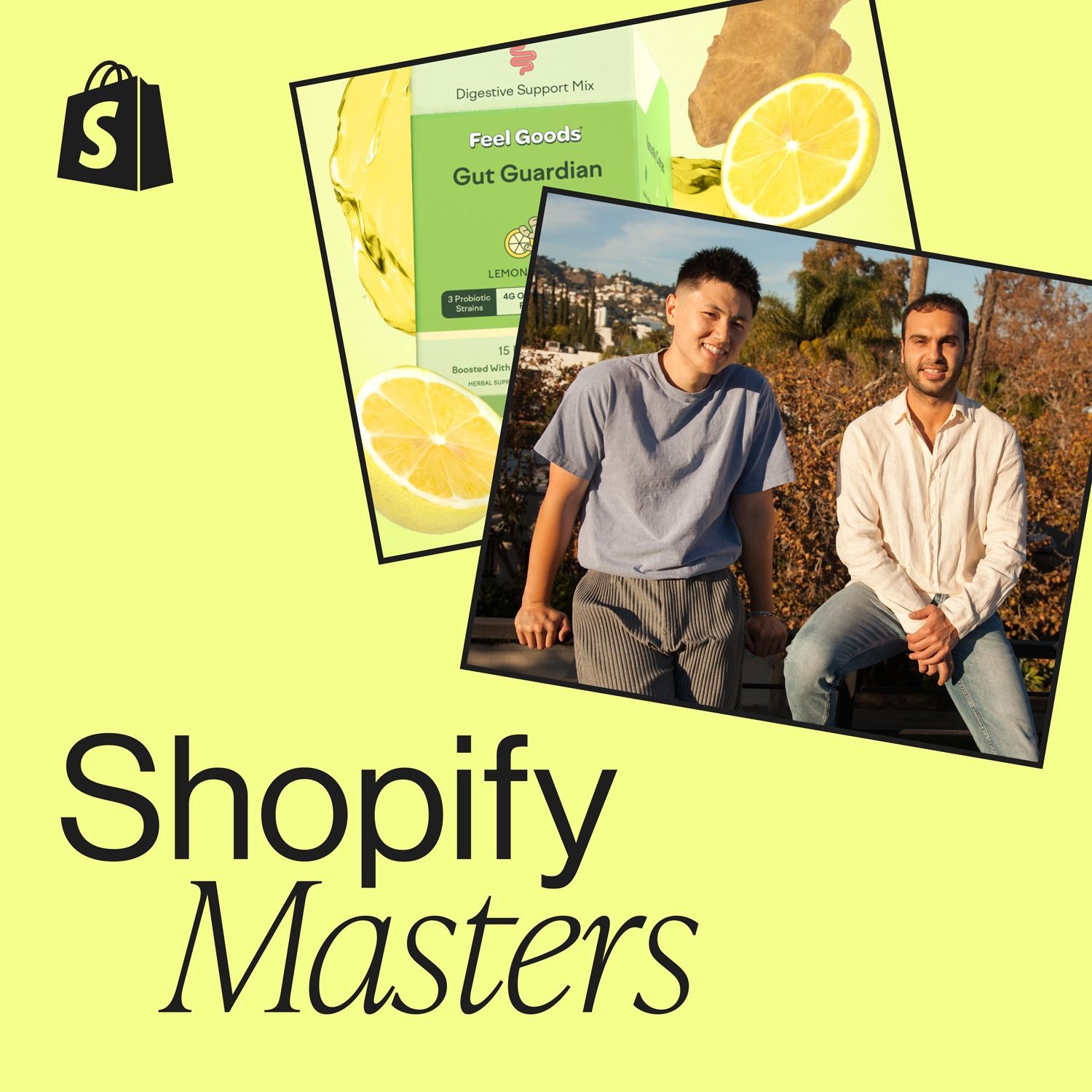
When a labeling error forced Feel Goods to discard a huge product batch, they created a TikTok series about the mistake. This radical transparency generated overwhelmingly positive feedback and loyalty, proving that sharing failures can be a powerful marketing tool.
Instead of a broad launch, Shibumi focused on Carolina beaches. Tourists see the product, buy it, and take it home, seeding new markets across the country for free. This 'flyer flywheel' turns vacationers into unintentional brand ambassadors and distribution channels.
Historical examples like "Delete Uber" and teen-led boycotts of Life360 show that viral outrage campaigns can paradoxically become a company's best marketing. The initial negative attention often subsides, leaving behind a product with much higher brand awareness and eventual user growth.

By banning the sale of chewing gum, Disneyland proactively eliminates the common negative experience of stepping on it. This obsession with small details is a powerful brand strategy, demonstrating that a premium customer experience is built by designing out even the smallest potential problems.