Get your free personalized podcast brief
We scan new podcasts and send you the top 5 insights daily.
The most critical period for a new organization is the year surrounding its founding. Support should be concentrated here, providing grants, networking, and strategic guidance during the pre-launch ideation phase and the immediate post-launch execution phase when it is most vital.

Related Insights
The most actionable advice comes from peers navigating the same market on a slightly later timeline. Decagon's CEO finds insights from founders at companies ~1 year older more relevant than those from more established companies because their context, tech stack, and challenges are nearly identical and current.

The founder journey requires different skills at different stages. Instead of being a generalist CEO for ten years, founders can specialize in the chaotic 0-to-1 phase. By repeatedly building companies to initial traction and then handing them off, they get more reps and build deep expertise.

The deadliest startup phase is the 'sapling' stage: post-launch but pre-repeatability (under ~$5M ARR). Unlike the seed stage (planting) or scale stage (tree), this phase requires bespoke, non-scalable help to navigate the maze of finding the right customer and problem before the company withers.

An operating partner's primary goal in the first six months is not to implement a rigid plan, but to foster curiosity and human connection. This builds the relationships and deep understanding necessary to tackle the right, high-impact projects later on.

By the time you're a few weeks from a launch, it's too late to build meaningful momentum. True promotion begins at least six months in advance by building awareness and audience over time. Many creators are rewarded for years of prior self-promotion, not a last-minute push.

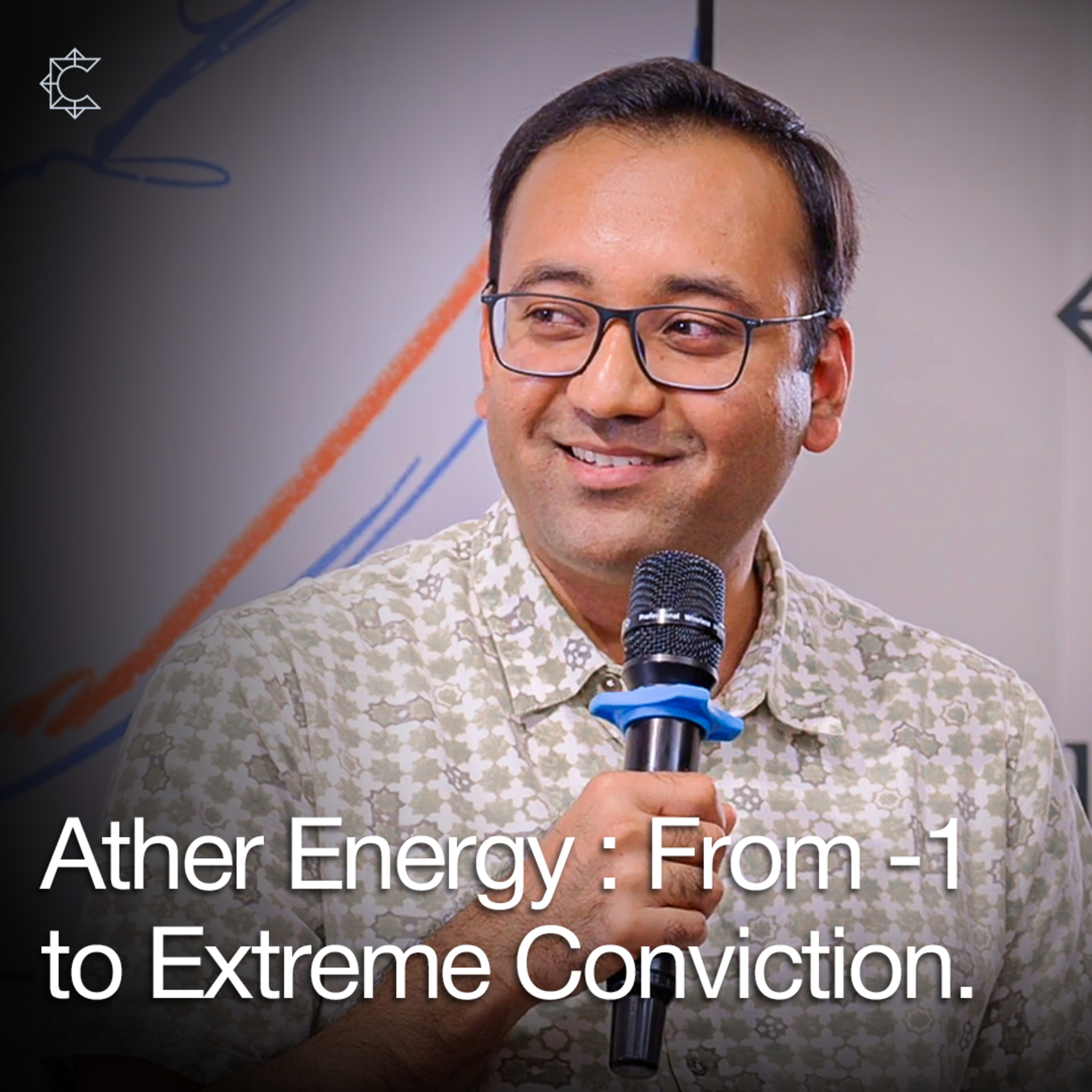
Before officially starting, founders are in a '-1 to 0' phase. Instead of rushing, they should take months or even a year to find a core purpose they can commit to for a decade. This deep conviction provides immense peace, prevents reactive pivots, and sets a stable foundation for the long term.
As employee #1 of the Bay Area Host Committee with no initial funding, Zayleen Jemuhamed's first move wasn't fundraising. It was securing partners to provide essential services like PR and comms. This strategy builds operational capacity and momentum before a formal seed round.

While consultants may fear the chaos of early-stage startups, it's often the best time to engage. Unlike larger companies with ingrained dysfunction, startups are a blank slate. The primary challenge isn't unwinding bad habits but simply helping them focus on fewer, critical activities.
Unlike established businesses planning 5+ years out, a startup's strategy must be tied to its survival. The effective timeframe for its strategic bets is limited by its cash runway. If you have six months of cash, your strategy must deliver tangible results within that window.

Founders often obsess over a single launch day event. Livestorm's CEO argues that a launch is a 6-to-12-month timeline focused on building a sales or PLG engine and acquiring the first 10-15 key customers to trigger word-of-mouth. The initial event is just one point on that longer journey, not the ultimate make-or-break moment.
