Get your free personalized podcast brief
We scan new podcasts and send you the top 5 insights daily.
A major disconnect exists between the confident earnings calls of SaaS leaders (Adobe, HubSpot) and their SEC filings. While publicly projecting strength, their legal disclosures increasingly admit that AI agents pose a competitive risk, as customers could use them to replicate features or build their own internal tools, threatening the subscription model.

Related Insights
The rise of agentic coding is creating a "SaaSpocalypse." These agents can migrate data, learn different workflows, and handle integrations, which undermines the core moats of SaaS companies: data switching costs, workflow lock-in, and integration complexity. This makes the high gross margins of SaaS businesses a prime target for disruption.

Ubiquitous local AI agents that can script any service and reverse-engineer APIs fundamentally threaten the SaaS recurring revenue model. If software lock-in becomes impossible, business models may shift back to selling expensive, open hardware as a one-time asset, a return to the "shrink wrap" era.

The fundamental business model of many SaaS companies is based on per-user pricing. AI agents pose an existential threat to this model by enabling smaller teams to achieve the same output as larger ones. As companies wonder why they should pay for 100 seats when 10 people can do the work, the entire economic foundation of the SaaS industry faces a crisis.
The defensibility of large SaaS companies has been their position as the 'system of record' (e.g., the CRM database). AI agents, which can perform valuable actions and pull data from disparate sources, threaten this moat. Value may shift from the static database to the AI-driven process itself, upending the market.
In public earnings calls, CEOs of companies like Figma and Workday express excitement for AI agents. However, in mandatory SEC filings, they warn that these same agents are a significant risk, capable of disrupting their industries and making traditional software solutions obsolete.

The ability for customers to build their own software features using AI agents directly threatens the traditional SaaS upsell model. During negotiations, customers can now credibly threaten to "roll their own" features instead of paying for higher-priced tiers, weakening the vendor's pricing power.

To combat the threat of being disintermediated by AI agents, SaaS "systems of record" like HubSpot are planning to charge for third-party access to customer data. This move is a strategy to create a new revenue stream and avoid becoming a free, commoditized data pipeline for other companies' AI tools.
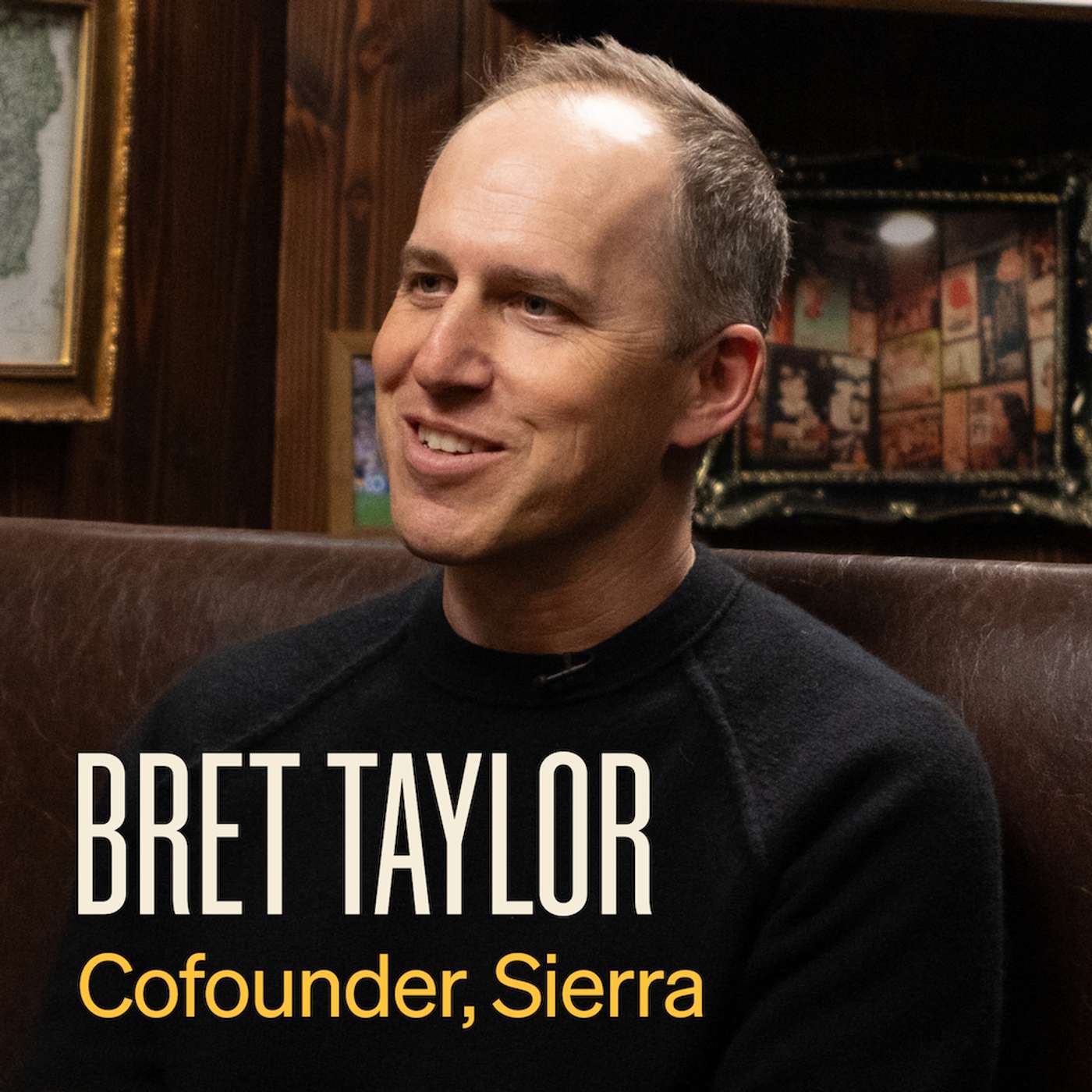
Sierra CEO Bret Taylor argues that transitioning from per-seat software licensing to value-based AI agents is a business model disruption, not just a technological one. Public companies struggle to navigate this shift as it creates a 'trough of despair' in quarterly earnings, threatening their core revenue before the new model matures.

The disruption to software isn't just about professional developers. It's about non-technical employees, like sales executives, using AI tools like Claude to build functional internal applications that replace paid SaaS products. This trend democratizes software creation and directly undermines the traditional SaaS business model from within customer organizations.
As AI tools like Claude Code make it easy for customers to build their own software, SaaS companies are the most threatened. To survive, they must become the most aggressive adopters of AI, creating a reflexive loop where they accelerate the very trend that undermines their business model.
