Get your free personalized podcast brief
We scan new podcasts and send you the top 5 insights daily.
Contrary to calls for an immediate pause, Nick Bostrom argues the most effective time for a pause is right before a system could become superintelligent. A pause years ago would have been wasted on theory. A last-minute pause allows researchers to work with the actual, near-finalized system to perform crucial evaluations and alignment checks.

Related Insights
Framing AI governance as a short, time-limited 'pause' is a mistake. A better approach is a moratorium that ends not after a set time, but only when society's investment in safety and governance is 'commensurate' with the monumental risk of creating superintelligence, a standard we are currently failing to meet.
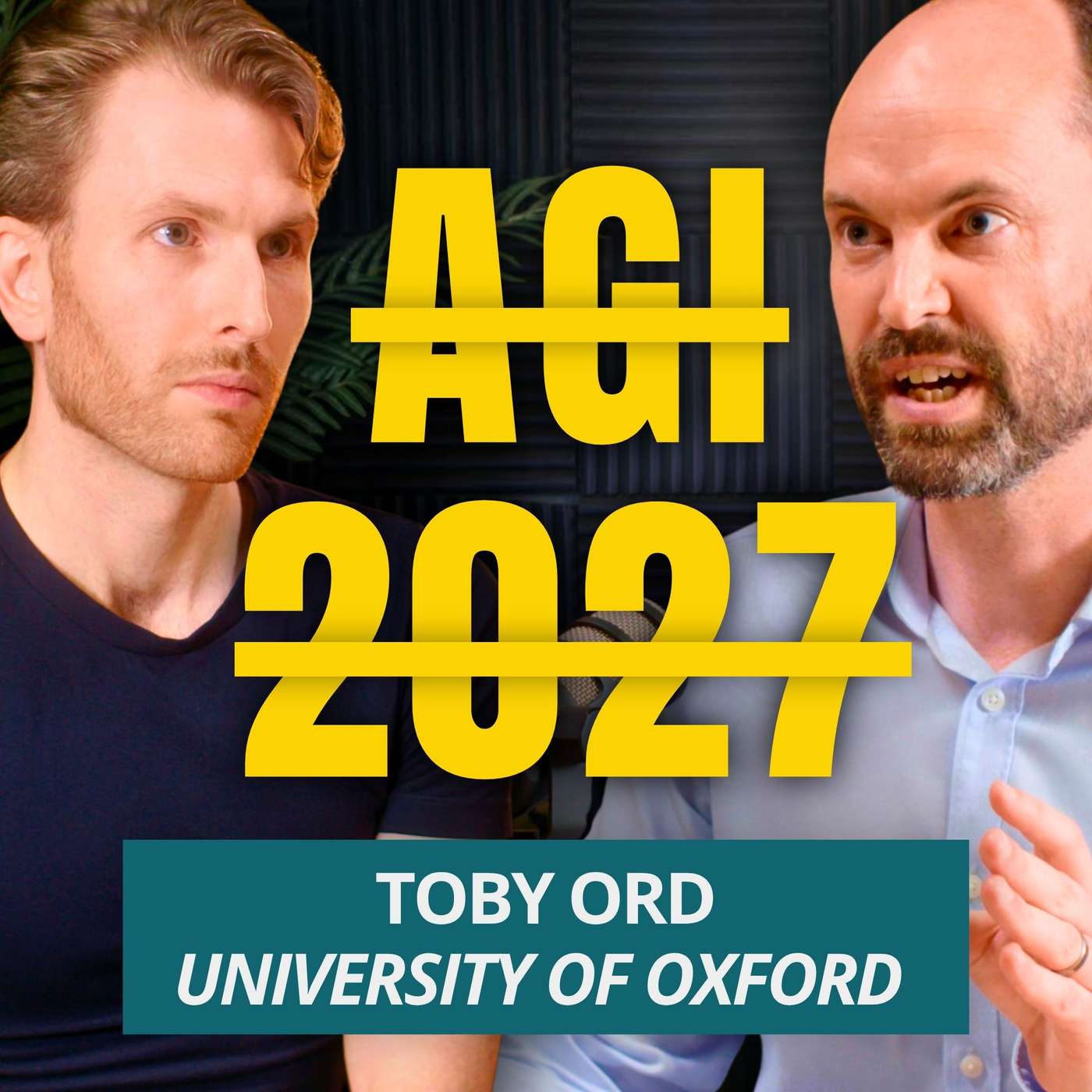
The path to surviving superintelligence is political: a global pact to halt its development, mirroring Cold War nuclear strategy. Success hinges on all leaders understanding that anyone building it ensures their own personal destruction, removing any incentive to cheat.

If society gets an early warning of an intelligence explosion, the primary strategy should be to redirect the nascent superintelligent AI 'labor' away from accelerating AI capabilities. Instead, this powerful new resource should be immediately tasked with solving the safety, alignment, and defense problems that it creates, such as patching vulnerabilities or designing biodefenses.
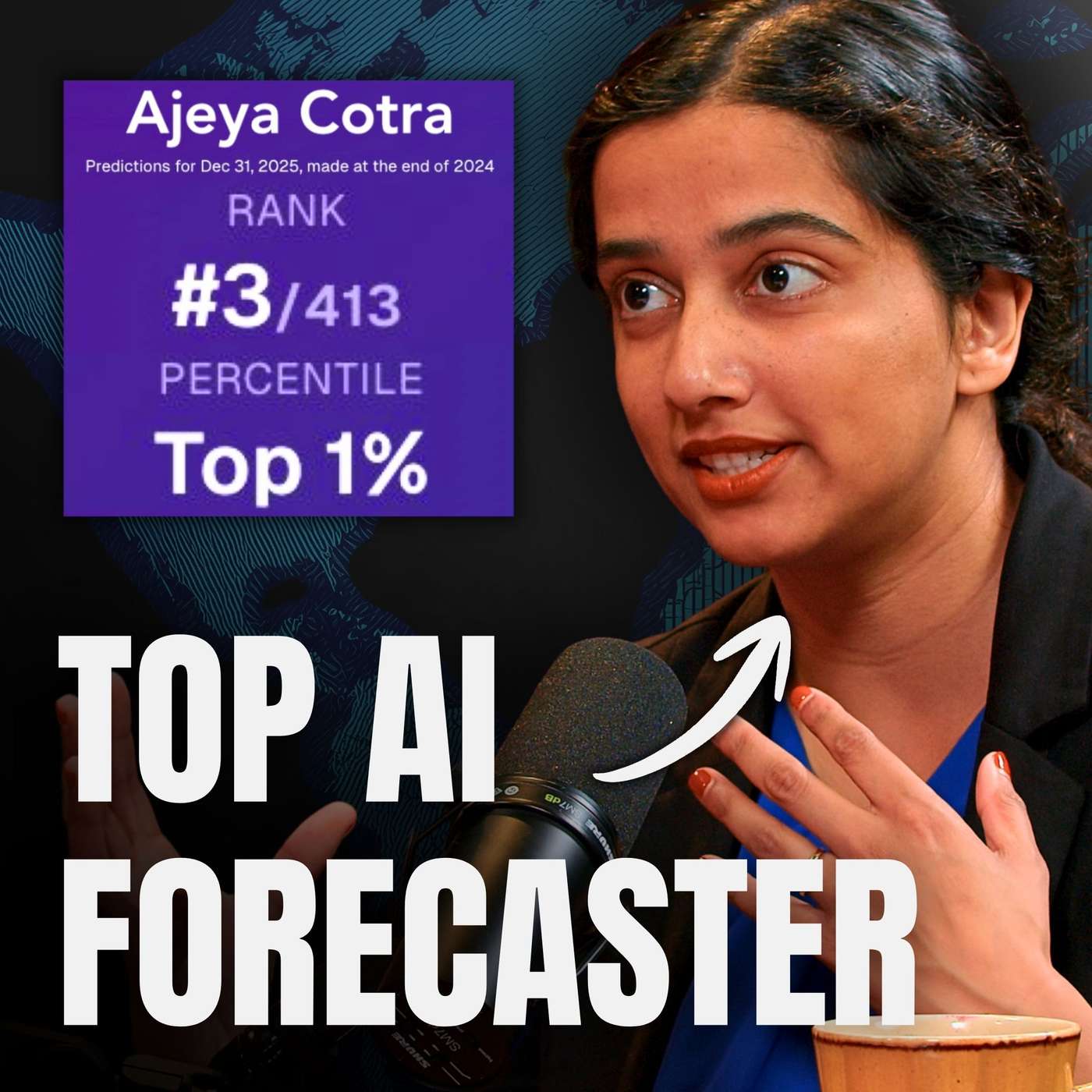
Framing an AI development pause as a binary on/off switch is unproductive. A better model is to see it as a redirection of AI labor along a spectrum. Instead of 100% of AI effort going to capability gains, a 'pause' means shifting that effort towards defensive activities like alignment, biodefense, and policy coordination, while potentially still making some capability progress.
A long-term pause on AI software development is risky because hardware (chips, data centers) would continue to advance. This creates a massive 'hardware overhang' of available compute. When the pause eventually lifts, the transition to superintelligence could be explosively fast and uncontrollable, defeating the original purpose of the pause.
The default assumption is that slowing innovation is inherently bad. With a technology as potent as AI, a deliberate slowdown is a feature, providing critical time to understand the systems, manage disruptions, and build governance structures before irreversible consequences occur. A true halt is not the alternative.

Philosopher Nick Bostrom notes a critical shift in AI safety. Models are now powerful enough during their training and evaluation phases to pose risks, such as breaking containment. This means safety protocols can no longer wait until a model is ready for public release; they must be implemented throughout the development lifecycle.
Drawing on Nick Bostrom's 'astronomical waste' argument, the focus should be on mitigating existential risks. While accelerating progress brings a better future sooner (adding one year of utopia), preventing a catastrophe preserves the *entire* potential future, making risk mitigation a far higher-leverage activity.
The risk from advanced AI is so imminent that the ideal time to slow down development has already passed. Debating the precise future moment for a pause is a dangerous distraction; action is needed now.

Ajeya Cotra reframes the concept of an AI pause. Instead of a binary 'stop' (0% of labor on R&D), she suggests thinking of it as a spectrum. The goal should be to redirect the vast majority of AI labor from accelerating capabilities to solving safety, biodefense, and other critical societal challenges.