Get your free personalized podcast brief
We scan new podcasts and send you the top 5 insights daily.
Instead of passively waiting for customers at his struggling mall-based franchise, Michael Kelley increased sales by 25% annually for three years by proactively engaging the community through school "spirit nights" and local catering.

Related Insights
The Taylor Swift/Travis Kelce effect demonstrates the power of combining disparate audiences. For a local business, this means collaborating with another non-competing local business (e.g., a mechanic and a restaurant). This strategic cross-pollination can unlock significant growth by exposing each brand to an entirely new customer base.

In a franchise system with a standardized service, the key differentiator for top locations is the owner's local engagement. The most successful owners are deeply embedded in their community, building relationships with other businesses and being a visible presence—effectively becoming the local "mayor."

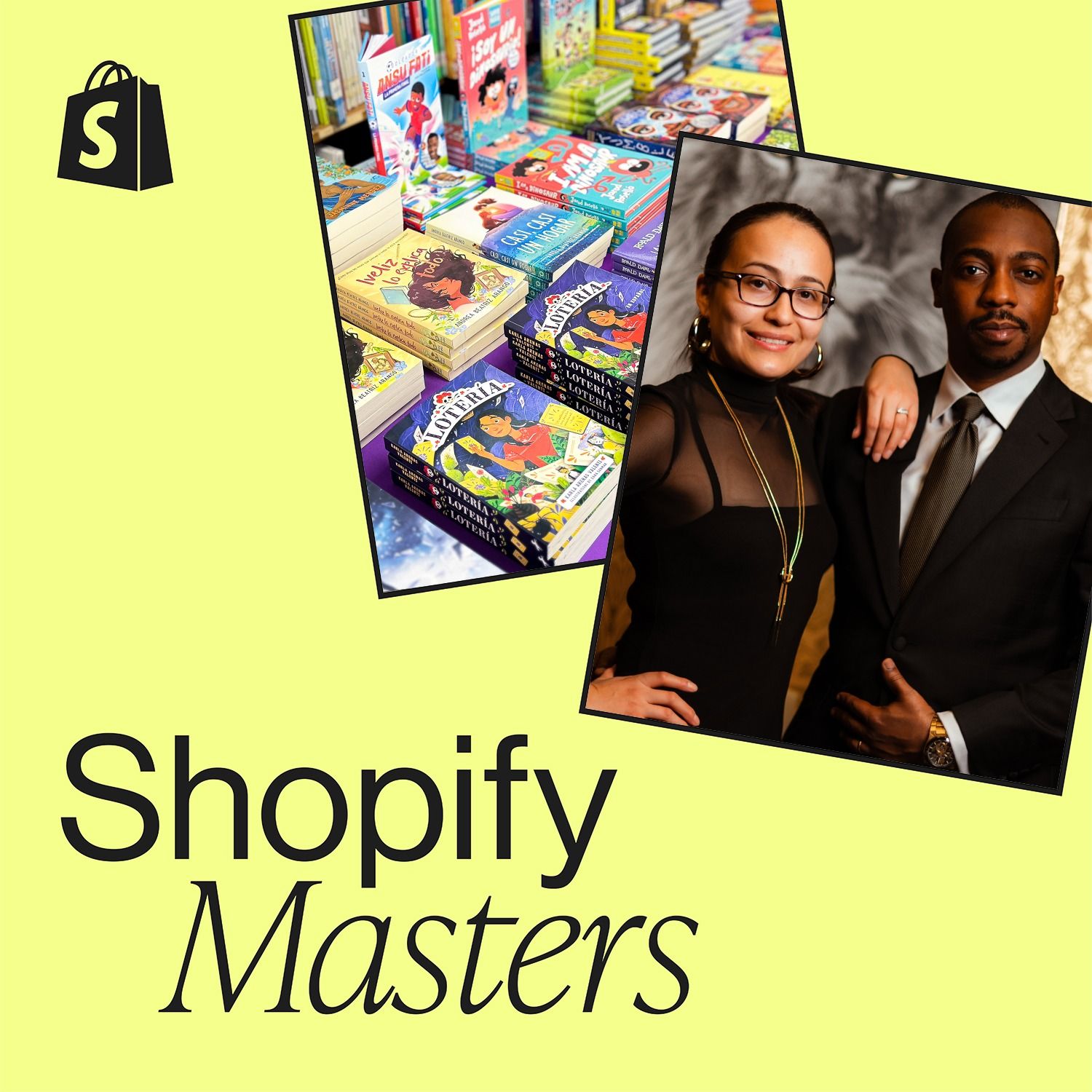
Miha Books' pivot to highly profitable school book fairs wasn't a strategic plan. It originated from a single PTA parent's suggestion while visiting their struggling brick-and-mortar store. This highlights how listening to customers can reveal a business's most lucrative opportunities.
At local events, transform your presence from a sales booth into a value-add experience. By offering free water, games, or activities, you create positive interactions and build brand affinity. This makes you the go-to choice when a need arises, rather than just another company handing out flyers.

The brand's first retail store is used less as a sales channel and more as a community hub for fundraisers and events. This strategy builds deep brand affinity and loyalty by associating the brand with causes customers care about, shifting the focus from transactions to shared values.
A small food co-op saw no traction from a new website meant to compete with large chains. The advice was to abandon the costly e-commerce battle and instead double down on its unique strengths: in-store events, farmer meet-and-greets, and expert product curation.

A great retail experience goes beyond transactions. Successful brands like Lululemon create "retail theater" by hosting local events like yoga classes in their stores. This builds community and brand loyalty, generating higher long-term ROI than focusing purely on daily sales per square foot.

Small businesses build a powerful competitive moat through deep, authentic community involvement like sponsoring local sports teams. Large enterprises can adapt this playbook by decentralizing marketing efforts and empowering regional managers with the autonomy and budget to engage in similar community-based initiatives, fostering genuine local trust.

Franchisees inhibit their own success by focusing on what corporate isn't doing for them. The most successful operators ignore corporate limitations and innovate within the significant portion of the business they directly control, such as local marketing and store operations.
To innovate Pizza Express without alienating loyal customers, the brand transformed an underperforming restaurant into a public testbed. They invited customer input on all aspects, from menu to design. This co-creation process not only generated validated ideas but also turned participants into powerful brand advocates.
