Get your free personalized podcast brief
We scan new podcasts and send you the top 5 insights daily.
For major events like the World Cup, sellers' extreme surge pricing has backfired. Consumers are collectively refusing to pay, forcing organizers to slash prices last-minute. This creates a new consumer strategy: waiting until the last second, reversing the long-held rule to “book early for the best price.”

Related Insights
To enter markets like hotel booking, Uber first needed to break its on-demand-only perception. They launched Uber Reserve, a scheduled ride service, to train users to think of Uber for future planning. This behavioral shift was a crucial prerequisite for offering longer-horizon travel products.
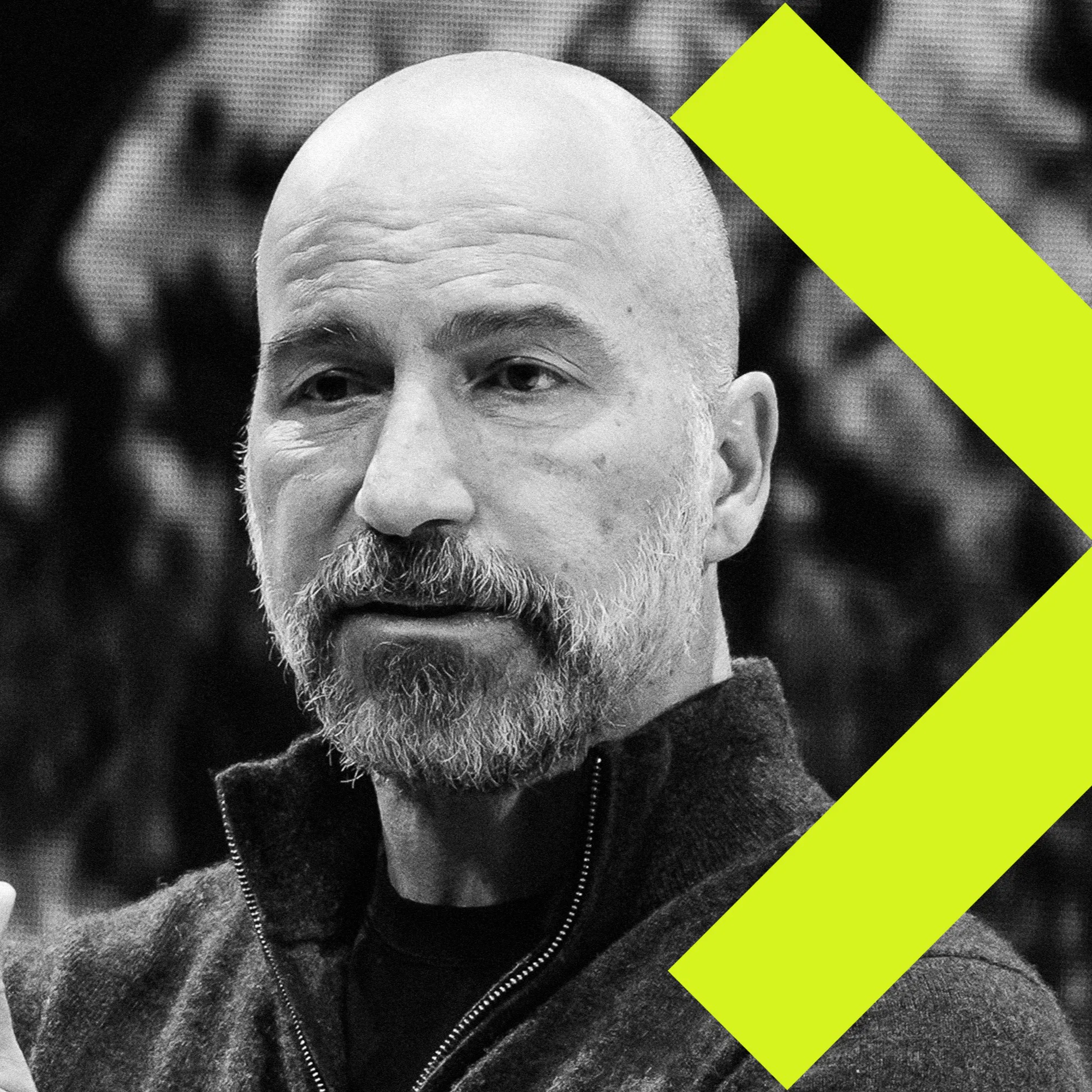
Instead of shying away from debates over surge pricing, Uber founder Travis Kalanick leaned in. He used media attention to explain the economic logic, which drove engagement and app downloads from curious consumers, turning a negative news cycle into a growth opportunity.

The most significant weakness of a multi-component model isn't price sensitivity, but the deep customer resentment it fosters. This reputational damage is difficult to quantify on a balance sheet but leads to long-term customer churn and incentivizes users to find alternatives.

In competitive 'first-come, first-served' scenarios, deliberately targeting a slightly less-desirable option (silver) instead of the most popular one (gold) dramatically increases success. Most people compete for the top prize, like a 7:30 PM restaurant reservation, leaving secondary options like 4:30 PM open for strategic players.

In a candid moment, marketers acknowledge frequently using "last chance" messaging in promotions even when the offer isn't actually ending. This common practice of manufacturing urgency, while potentially effective, can lead to customer skepticism when used repeatedly.

Consumers are no longer a monolith; they simultaneously seek deals, reduce spending, or pay a premium for specific items. Single-path strategies will fail. Retailers must adopt scenario-based planning to cater to these diverse and often conflicting behaviors when planning inventory, pricing, and messaging.

Consumers increasingly treat vacation rentals like on-demand products, making last-minute bookings the new norm. This behavior upends the traditional model where properties were secured months in advance, with peak interest now occurring after major holidays like Memorial Day, a structural change likely to persist indefinitely.
Offering discounts early in the quarter doesn't accelerate deals. It signals that better terms will be available later, incentivizing buyers to delay until the last possible minute to maximize their leverage, thus slowing the sales cycle.

Uber framed its dynamic pricing not as a way to gouge customers, but as a mechanism to solve supply shortages. Higher fares during peak times incentivized more drivers to get on the road, increasing vehicle availability and ensuring the service remained reliable for riders.

By driving for Lyft, CEO David Risher learned firsthand that surge pricing, while economically sound, creates immense daily stress for riders. This qualitative insight, which data might miss, led Lyft to remove $50 million in surge pricing and launch a 'Price Lock' subscription feature based directly on a passenger's story.