Get your free personalized podcast brief
We scan new podcasts and send you the top 5 insights daily.
At 85, Sequoia veteran Pierre Lamond co-founded Eclipse, instilling a culture of extreme discipline. He brought an "old-school" venture ethos where competing VCs collaborated to save companies—a stark contrast to today's hyper-competitive, zero-sum environment.

Related Insights
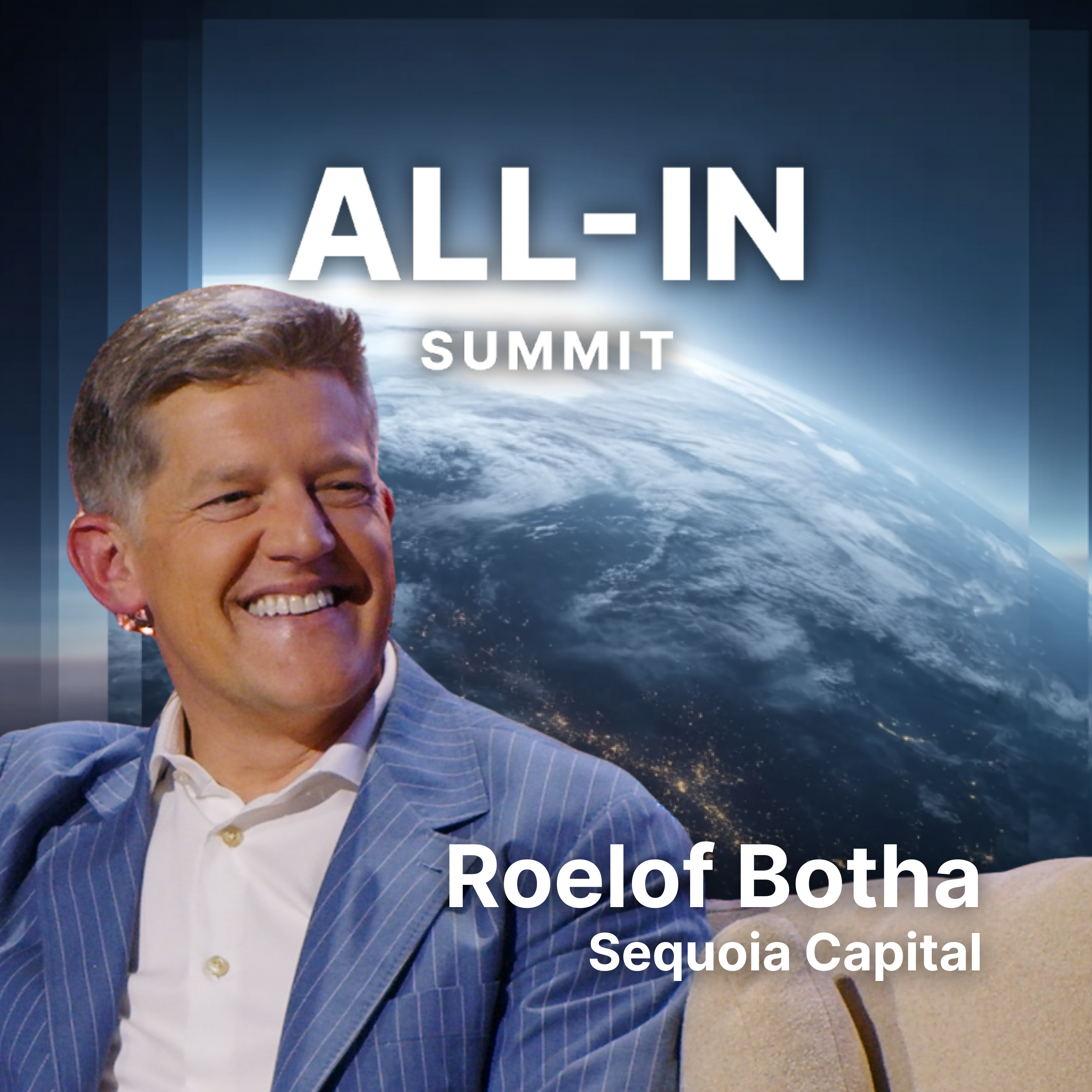
Roelof Botha describes the pressure of leading Sequoia, a firm whose portfolio comprises 30% of NASDAQ's value. This legacy creates a "burden" and an expectation to maintain top performance, demanding continuous innovation to avoid becoming "yesterday's winners."

Instead of building a platform team of specialists, Eclipse operates like a small special forces unit. A lean team of senior partners, all ex-operators, handles everything from thesis creation to scaling companies. This ensures founders get direct support from proven builders, not junior staff.
Eclipse rejects the traditional VC label, preferring "Operators with Capital." This model is tailored for physical industries, where hands-on expertise in manufacturing, supply chain, and CapEx management is more valuable to founders than passive capital alone.
Many managers focus solely on raising funds and making investments. Lior Susan emphasizes operating his firm, Eclipse, like any other company, obsessing over details like quarterly reports and AGMs. This business-first mindset is key to attracting top LPs, partners, and founders.
VCs at the highest level don't just write checks; they fundamentally reset a founder's aspirations. By placing a startup in the lineage of giants like Google and Oracle, they shift the goal from building a big business to creating a generational company.
Sequoia's founder taught that the best investments are in individuals who are both exceptional and "not so easy to get along with." These founders challenge convention and refuse to accept the world as it is, a trait that makes them unconventional but also uniquely capable of building category-defining companies.
Eclipse's incubation strategy, responsible for a third of its portfolio, originated from the founder's personal desire to continue building. This "selfish" motivation serves a strategic purpose: it keeps the operator-investors' skills current with technology, talent, and customer networks.
Sequoia's reputation for being brutally direct with founders is evolving into a high-status brand attribute. Ambitious founders are starting to prefer this 'stab you in the front' approach over unconditional support, viewing it as a necessary form of pressure to drive exceptional performance in a gladiatorial arena.

The career arcs of venture and buyout investors differ starkly. VCs rely on networks relevant to young founders, leading some to retire by 45 as connections become stale. In contrast, buyout investing is an apprenticeship business where age and experience are increasingly valued.

A VC has truly succeeded when a founder, in retrospect, feels they were like a co-founder. This signifies a deep, proximate, and unconditional partnership that went beyond transactions or advice, providing existential support through the company's entire journey.