Get your free personalized podcast brief
We scan new podcasts and send you the top 5 insights daily.
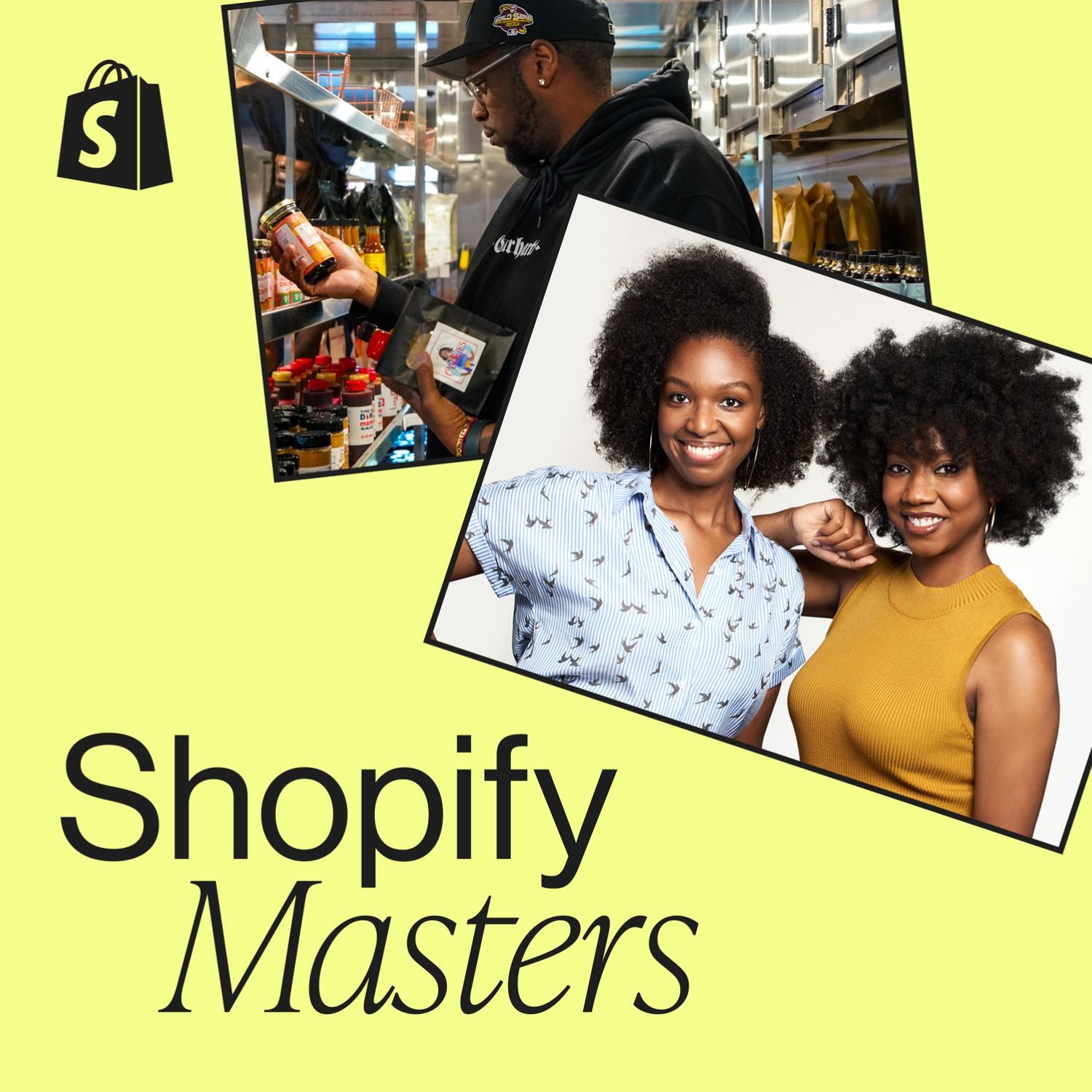
During a 30-minute call, investor Arlen Hamilton's simple question, "what about COVID?", prompted Prosperity Market to rethink their physical-first launch. This single conversation led them to build an entire online marketplace, which became a foundational part of their business.
Related Insights
Extensive diligence on a seed-stage company's market or product is often wasted effort. The majority of successful seed investments pivot to a completely different business model, making the founding team's quality and resilience the most crucial factor to evaluate.

Brilliant.org pivoted from its original student loan business (Alltuition) not due to failure, but because its success depended on the problem (complex loans) persisting. The founder chose a mission-aligned model over a profitable but misaligned one after an investor's insight.

Deciding to abandon a profitable product for a nascent one was difficult. The COVID-19 pandemic forced the decision by killing the old product's sales pipeline while accelerating demand for the new one's remote access capabilities, making the pivot clear and necessary overnight.

The initial idea was a social app for college athletes. A single meeting with their campus coach revealed his primary pain was building and distributing training programs, not social connection. This one conversation shifted their entire focus to a B2B SaaS model, which became the foundation for their success.
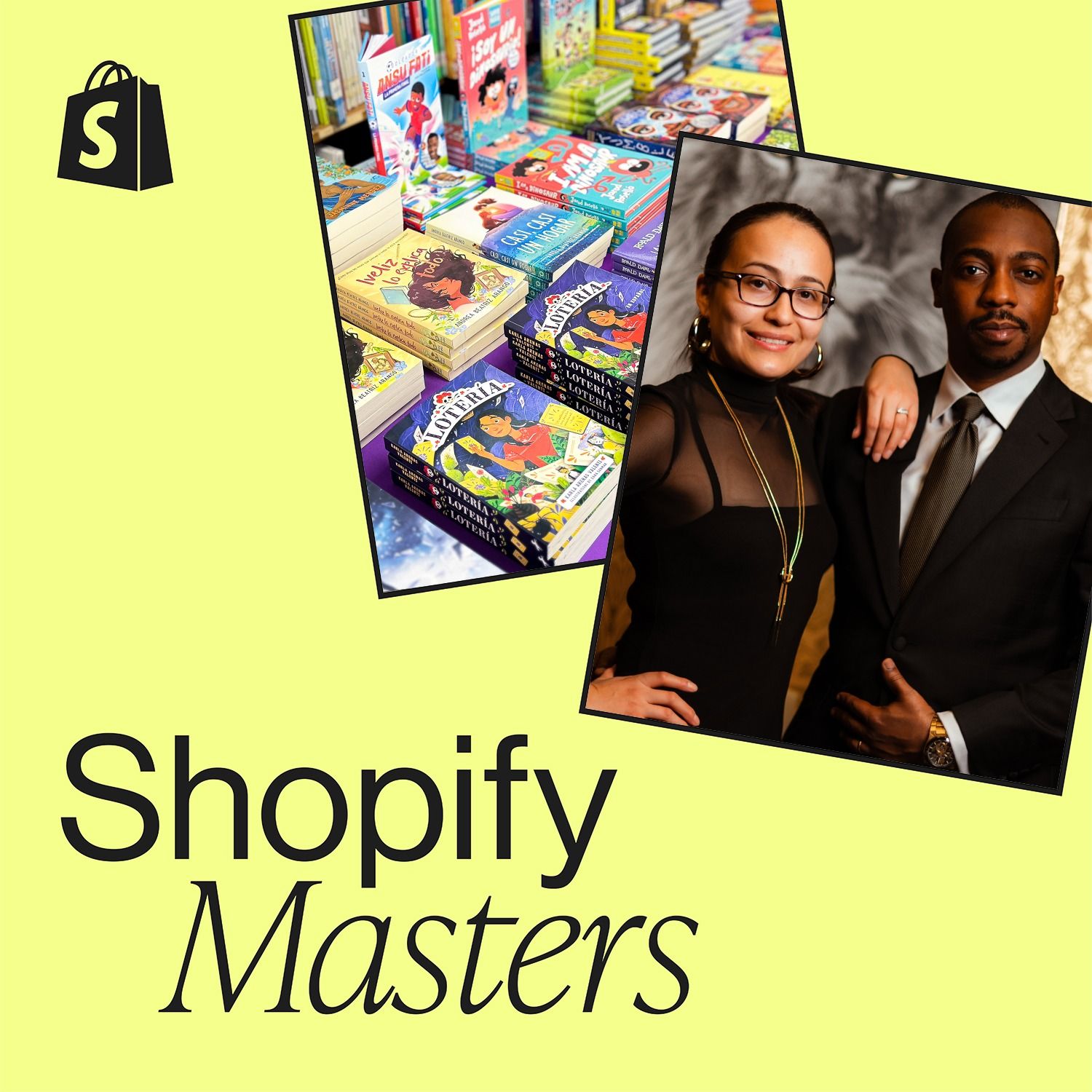
Miha Books' pivot to highly profitable school book fairs wasn't a strategic plan. It originated from a single PTA parent's suggestion while visiting their struggling brick-and-mortar store. This highlights how listening to customers can reveal a business's most lucrative opportunities.
When COVID-19 shut down their events business, Campaigns & Elections avoided temporary solutions like webinars. Instead, they focused on building a durable membership model that would thrive after live events returned. This ensured they emerged from the crisis with a larger, more diversified business.

The speaker's ill-researched travel course was halted by the COVID-19 pandemic. This external shock, while devastating, saved her from a likely business failure, acting as a brutal but effective form of market invalidation that she was too invested to see.

The idea for Stable didn't come from a brainstorm session. It was a recurring pain point—the need for a business address—that surfaced repeatedly during hundreds of discovery calls for the founders' previous, failing startup. The best pivot ideas are often hidden in your existing customer research.
When COVID-19 invalidated its revenue plan, Nextdoor's GM used a pre-existing worst-case scenario to pivot the product strategy. The focus shifted from subscriptions to features that provided immediate cash flow to local businesses (e.g., gift cards), enabling a quick, board-aligned response to the crisis.

Marketing agency Marketex developed a digital product for a public speaker to reach audiences who couldn't attend live events. When COVID-19 canceled all in-person speaking, this pre-existing digital offering became an immediate, seamless pivot, demonstrating that expanding market reach can double as a powerful contingency plan.
