Get your free personalized podcast brief
We scan new podcasts and send you the top 5 insights daily.
Steve Jobs' decision to include a native podcast app on the iPhone created a free, global, and instant distribution system. This fundamentally changed media by eliminating the need for massive physical infrastructure like the printing presses, trucks, and even forests owned by companies like The New York Times.

Related Insights
Streaming services and cable news need cheaper content. Podcasts, which are essentially TV shows with a lower-cost production model, provide the perfect solution. Repurposing popular podcasts for television offers a huge arbitrage opportunity, allowing networks to fill airtime at a fraction of the traditional cost.

While often viewed as separate media, YouTube is the #1 platform for both podcast consumption and TV viewership in the US. This dual dominance forces competitors like Netflix and Spotify to react by acquiring podcast video rights, revealing the battle for attention is converging on a single platform.
Unlike ephemeral social media posts, a podcast's episode library is an evergreen asset. The speaker notes that 50% of her monthly downloads come from old episodes, creating a system that generates value 24/7 and compounds over time, long after the initial creation effort.

It is far easier to extract deep knowledge from experts, like a CEO, through a conversational podcast than by asking them to produce a polished written essay. Podcasting lowers the activation energy for sharing complex ideas.
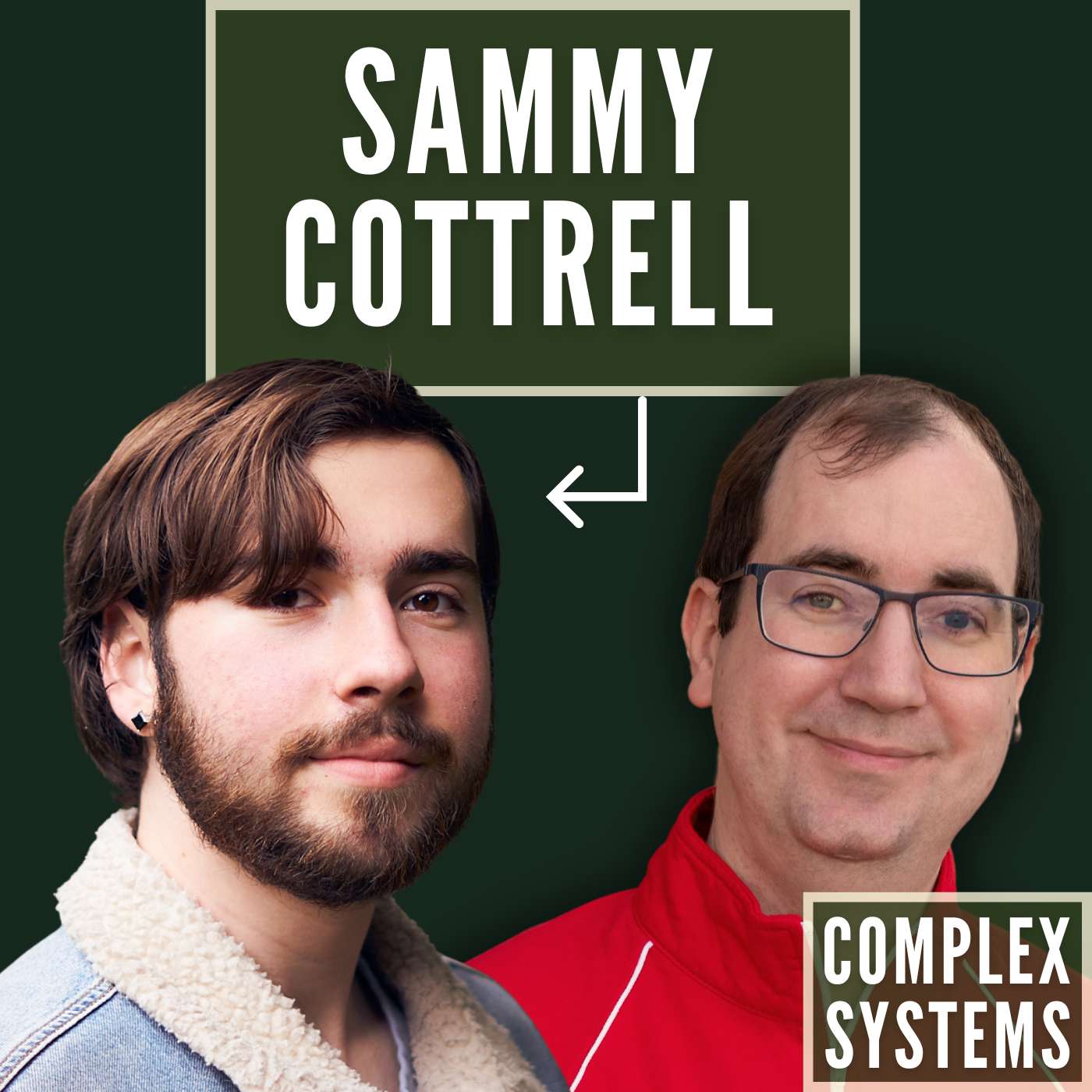
Ari Emanuel views the podcasting ecosystem as the next wave of syndication. Just as Oprah used her broadcast platform to launch other stars like Dr. Phil, today's top podcasters can build media networks by developing and launching new talent. This transforms a single successful show into a scalable, multi-channel business.
A podcast isn't just content; it's a tool for building parasocial relationships. This creates a "tuning fork" effect, attracting high-caliber listeners and guests who feel they already know you, leading to valuable real-world connections and opportunities.

The underlying driver for major media shifts, from studio mergers to the pivot of podcasts to video, is YouTube's complete platform domination. Its ability to distribute all types of content at scale is forcing legacy media to consolidate and creators to adapt to its video-first ecosystem.

The media landscape has fundamentally changed. Value is no longer concentrated in institutional brands like the New York Times. Instead, it has shifted to individual, 'non-fungible' writers who can now build their own brands and businesses on platforms like Substack.

Gladwell views his podcast not just as a content platform but as the primary engine that kept him relevant and prevented the career decline common for journalists in their 50s and 60s. It served as a tool for reinvention, ensuring he didn't 'vanish' professionally.

Author Michael Lewis notes his books feel like new startups, while Acquired's podcast format builds a compounding audience. When they release a new "book" (episode), it's automatically delivered to their entire subscriber base, creating a powerful growth flywheel that traditional media lacks.