Get your free personalized podcast brief
We scan new podcasts and send you the top 5 insights daily.
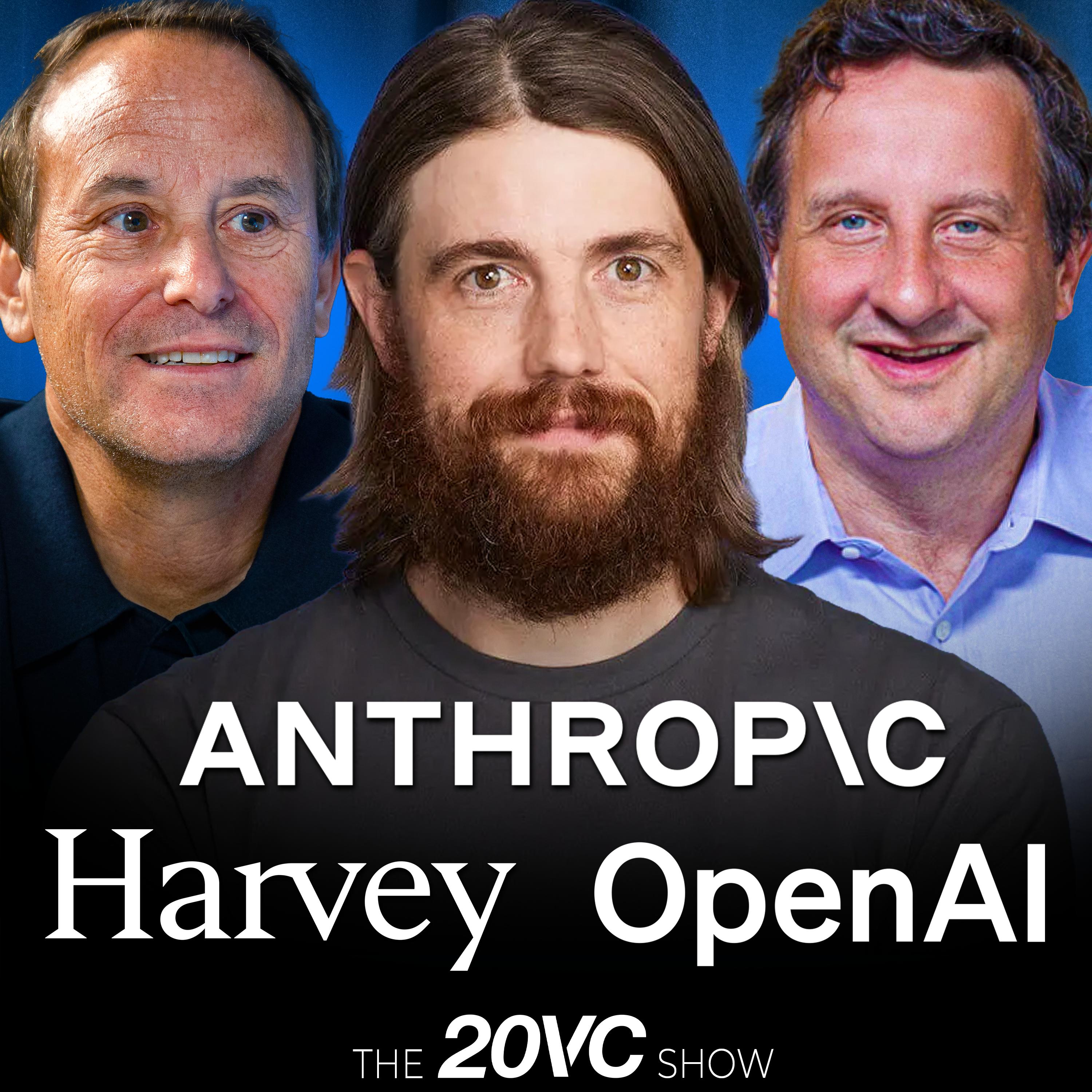
The seemingly bizarre Super Bowl ad from Anthropic, which targeted a product it doesn't have, wasn't for the mass market. It was an expensive signal directed at a niche audience: potential engineering hires and enterprise buyers in Silicon Valley, positioning itself as the "good guy" enterprise alternative to OpenAI.
Related Insights
Instead of competing with OpenAI's mass-market ChatGPT, Anthropic focuses on the enterprise market. By prioritizing safety, reliability, and governance, it targets regulated industries like finance, legal, and healthcare, creating a defensible B2B niche as the "enterprise safety and reliability leader."

Anthropic's Claude ad resonated strongly with the tech community on X but confused the mainstream Super Bowl audience. This highlights a critical marketing pitfall: niche messaging that works in a specific subculture can easily fail on a mass stage, requiring post-hoc explanations from the 'in-the-know' crowd.

Anthropic is positioning itself as the "Apple" of AI: tasteful, opinionated, and focused on prosumer/enterprise users. In contrast, OpenAI is the "Microsoft": populist and broadly appealing, creating a familiar competitive dynamic that suggests future product and marketing strategies.
Dario Amadei's public criticism of advertising and "social media entrepreneurs" isn't just personal ideology. It's a strategic narrative to position Anthropic as the principled, enterprise-focused AI choice, contrasting with consumer-focused rivals like Google and OpenAI who need to "maximize engagement for a billion users."
Anthropic's ads lack a call-to-action, indicating their primary goal isn't consumer downloads. Instead, they use fear-mongering to "muddy the water" around OpenAI's upcoming ad product, aiming to make enterprise decision-makers and regulators wary of ad-supported AI models before they launch.
Anthropic's ad wasn't aimed at the mass market. Releasing it before the Super Bowl was a calculated move to capture tech press attention. The true goal was for potential enterprise customers to see the ad and share it internally on platforms like Slack, making it a clever B2B marketing tactic disguised as a consumer play.

The Super Bowl campaign is not just about user acquisition. It's a strategic move to build brand awareness with investors, boost morale to retain elite researchers, increase public scrutiny on OpenAI's ad rollout, and put themselves on the map ahead of a potential IPO.
Anthropic's ad, a clever jab at OpenAI, failed spectacularly with its mass audience. Scoring in the bottom 3% for likability, it proves that "inside baseball" marketing, which resonates with a niche tech audience, often results in widespread confusion and negative perception among the general public.

Unlike AI companies targeting the consumer market, Anthropic's success with enterprise-focused products like "Claude Code" could shield it from the intense political scrutiny that plagued social media platforms. By selling to businesses, it avoids the unpredictable dynamics of the consumer internet and direct engagement with hot-button social issues.
Anthropic's ads imply OpenAI's upcoming ad integration will compromise AI responses with biased, low-quality suggestions. This is a "dirty" but effective tactic, creating fear and doubt about a competitor's product by attacking the category leader without naming them.