Get your free personalized podcast brief
We scan new podcasts and send you the top 5 insights daily.
While tech giants may create walled gardens to control AI access (akin to Netflix in streaming), agentic AI has a workaround. Instead of relying on APIs, these agents can take control of a user's browser and interact with websites directly, potentially circumventing platform restrictions.

Related Insights
Services like X, Reddit, and even AI models are starting to block agentic access. To maintain functionality, companies are shifting to dedicated local machines (like Mac Studios) which can spoof browser activity and evade these restrictions, ensuring their automation pipelines continue to work.

Platform-level restrictions, like content moderation or API limits, are becoming obsolete. An AI agent can instantly find an unrestricted alternative (e.g., a raw GPU instance) and automate the entire complex setup, creating a 'no rules' environment where platform control is meaningless.

The next major leap for AI agents isn't just better models, but deeply integrated, stateful browsers like OpenAI's Atlas within Codex. When an AI can operate within a browser that remembers logins and context, it removes a major barrier to automating almost any web-based task.

As AI makes it trivial to scrape data and bypass native UIs, companies will retaliate by shutting down open APIs and creating walled gardens to protect their business models. This mirrors the early web's shift away from open standards like RSS once monetization was threatened.
AI labs like OpenAI and Anthropic are developing "super apps" that go beyond chat to take over your browser and computer for tasks like hiring or booking. This agentic model, where the AI acts on your behalf, could fundamentally shift power away from individual websites.
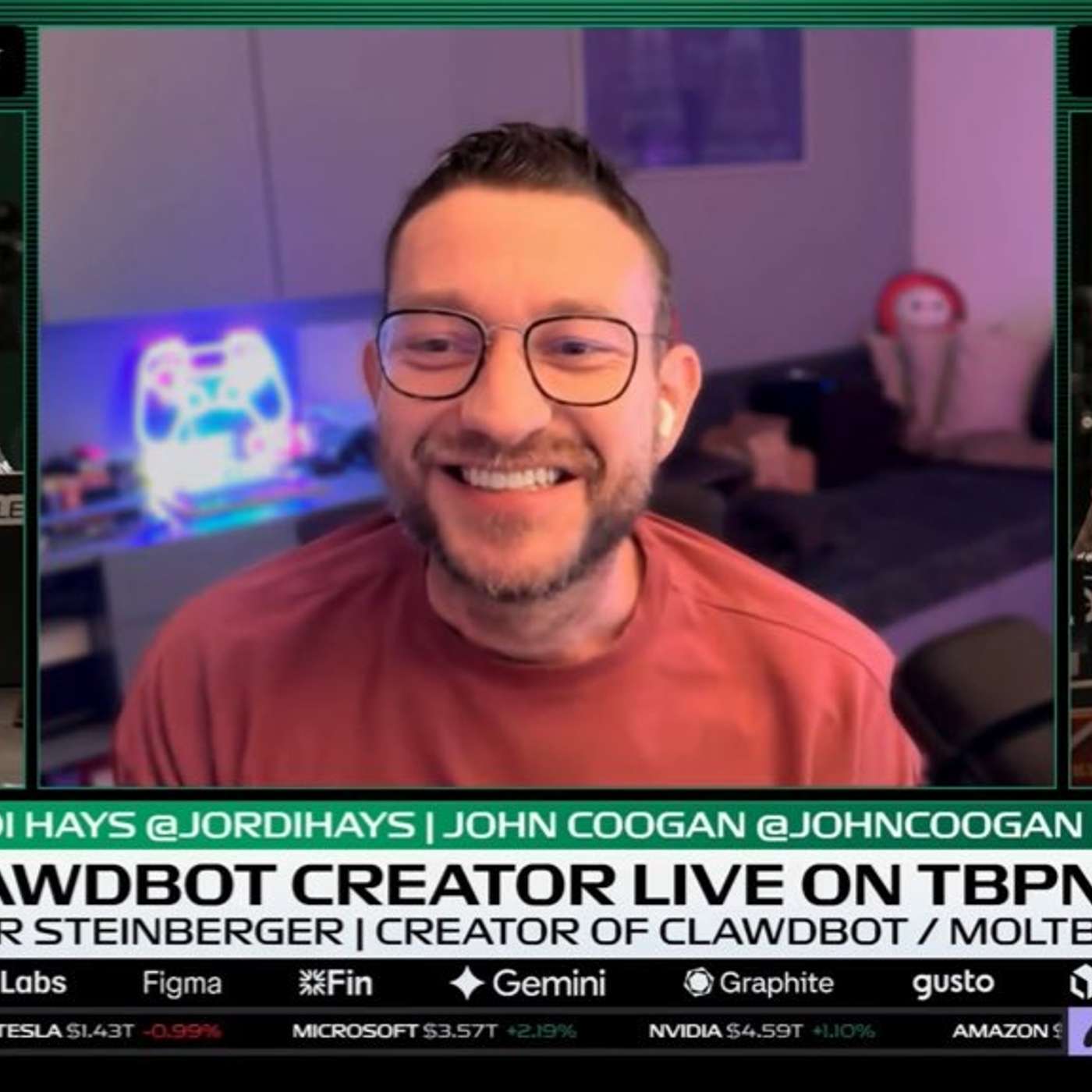
The focus on browser automation for AI agents was misplaced. Tools like Moltbot demonstrate the real power lies in an OS-level agent that can interact with all applications, data, and CLIs on a user's machine, effectively bypassing the browser as the primary interface for tasks.

Browser and desktop AI apps are intentionally limited or 'nerfed.' For maximum power and control, run AI agents in the terminal. It provides direct, 'close to the metal' access to your computer's full capabilities and integrations.

By running locally on a user's machine, AI agents can interact with services like Gmail or WhatsApp without needing official, often restrictive, API access. This approach works around the corporate "red tape" that stifles innovation and effectively liberates user data from platform control.
Instead of slowly mimicking human clicks on a website, the "Unbrowse" tool allows an AI agent to learn a site's underlying private APIs. This creates a much faster and more efficient machine-to-machine interaction, effectively building a "Google for agents" that bypasses the human-centric web.

While headless APIs are ideal, many websites and apps actively block headless browsers to prevent scraping. This forces AI agents to interact with the standard graphical user interface to complete tasks, just as a human would, rather than relying on APIs.
