Get your free personalized podcast brief
We scan new podcasts and send you the top 5 insights daily.
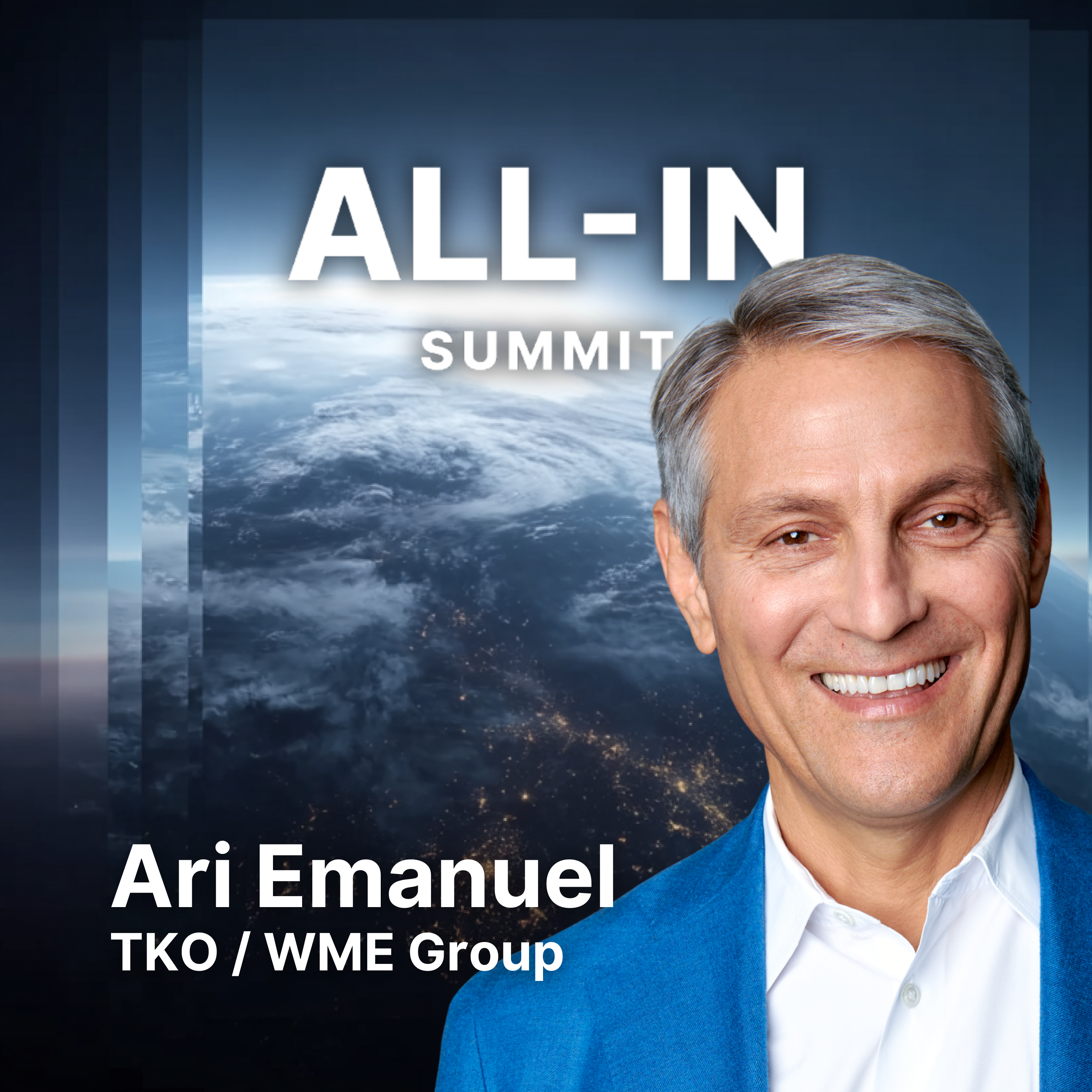
Before acquiring Vince McMahon's WWE and Dana White's UFC for billions of dollars, Emanuel signed both leaders as agency representation clients. By working as their representative first, Emanuel demonstrated value by securing broadcast meetings, learned the internal metrics of their businesses, and developed trust over years of daily interaction. This representation-first approach positioned Endeavor as the natural acquirer when both sports empires eventually became open to a sale.

Related Insights
The first conversation with a target CEO shouldn't focus on the deal. Instead, focus on their personal story to uncover their core motivation—money, legacy, or team success. This "why" provides the key to framing the acquisition in a way that resonates with them and dictates the entire negotiation strategy.

Consulting a Harvard Business School professor about merging Endeavor with another agency, Emanuel was told that genuine mergers are a myth. In reality, every merger represents an acquisition where one party is dominant and the other is submissive. Embracing this reality, Emanuel entered merger negotiations with William Morris by granting superficial concessions like naming rights, while simultaneously marshaling board votes behind the scenes to buy out and remove their entrenched legacy leadership.
Emanuel's agency, Endeavor, used its unique position representing global talent to identify undervalued sports and entertainment properties. By acquiring these localized assets (like UFC), they could apply their global infrastructure to unlock massive value that the original owners couldn't access, capturing 90% of the value instead of a 10% agent fee.

Emanuel remains a hands-on agent not for the commissions, but for the strategic advantage it provides his larger company, TKO. Representing A-list clients keeps him in constant, high-level talks with every major media buyer (Netflix, Amazon). This provides critical intel and relationships needed to close massive deals for TKO's assets.
The successful acquisition by MyFitnessPal began when Zach reached out to their CEO not to sell, but to 'learn' about their freemium model. This non-threatening posture of seeking advice disarmed the target and naturally pivoted the conversation toward a potential partnership or acquisition.

To stand out from the flood of PE firms, acquirers must demonstrate deep operational knowledge specific to the seller's industry. Discussing granular details like inventory management, billing rates, and software challenges builds trust and proves you are a credible partner, not just a financier. This operator-led approach resonates with founders.

Ari Emanuel's core strategy was to identify localized companies or talent with global potential. By leveraging Endeavor's global platform, they could significantly increase an asset's value, allowing them to transition from a representation role to a more lucrative ownership position. This model focuses on unlocking latent global demand.

Ari Emanuel describes his leadership style as a "democratic dictatorship." This involves gathering diverse opinions from all levels of the operation to inform decisions, but ultimately retaining centralized authority to make the final call. This balances collaborative input with decisive leadership, crucial for managing fluid businesses.
QED Investors realized they were misusing their famous founder, Nigel Morris, by only bringing him in for the final call. They now strategically deploy him early in the process to open doors and build relationships with target companies, using his reputation as an asset for outreach, not just a closing tool.
A successful "partner first" strategy proves such strong synergy that the target's leadership and owners proactively seek an acquisition. This fundamentally shifts the negotiation dynamic in your favor, moving from a pursuit to an inbound opportunity.