Get your free personalized podcast brief
We scan new podcasts and send you the top 5 insights daily.
Despite being on a clear track to Director, Ilya Grigorik chose a lateral, likely down-leveled move to an IC role. He traded guaranteed career progression for greater control over his time, the freedom to pursue deep technical interests, and the ability to work on problems he was passionate about.

Related Insights
An Individual Contributor (IC) who takes the initiative to lead a company's AI adoption gains immense visibility and cross-functional influence. It's a rare opportunity to demonstrate leadership far beyond one's defined role, opening doors to high-profile projects, interactions with senior leadership, and external recognition.
An engineer recalled being an IC4 and thinking IC7 was an undesirable level of intensity. This fear shifted upward with each promotion; at IC6, he became open to IC7 but then felt the same about IC8. This shows how our perception of the "next level" changes as we grow and our ambitions evolve.

Climbing the corporate ladder isn't always the ultimate goal. As professionals become more senior, they often move away from the hands-on, creative work they are passionate about. Leaders advise cherishing mid-career roles where you can be "in the weeds" of the actual work.

A critical career inflection point is moving from solely executing tasks (writing code) to influencing strategic decisions about what problems to solve. True value and impact come from being in the room where decisions are made, not just being the person who implements them.

High-performing ICs shouldn't view management as a one-way promotion. Instead, it's a temporary "tour of duty" taken on to solve a specific problem that has scaled beyond one person. The goal is to build a team, set a direction, and then transition back to an IC role to find the next challenge.
A simple yet powerful way to assess your career trajectory is to evaluate your direct superior's role. If you have no desire to eventually hold that position, it's a strong signal that you are on an unsuitable path and need to change direction.

It's nearly impossible to hire senior product or engineering leaders who are also fluent in AI. The advice for experienced managers is to step back into an Individual Contributor (IC) role. This allows them to build hands-on AI skills, demonstrating the humility and beginner's mindset necessary to lead in this new era.
Instead of just climbing the corporate ladder, define an ultimate career objective (a 'North Star'). Then, strategically choose roles—even uncomfortable or lateral ones—that deliberately fill the specific knowledge gaps standing between you and your long-term goal.

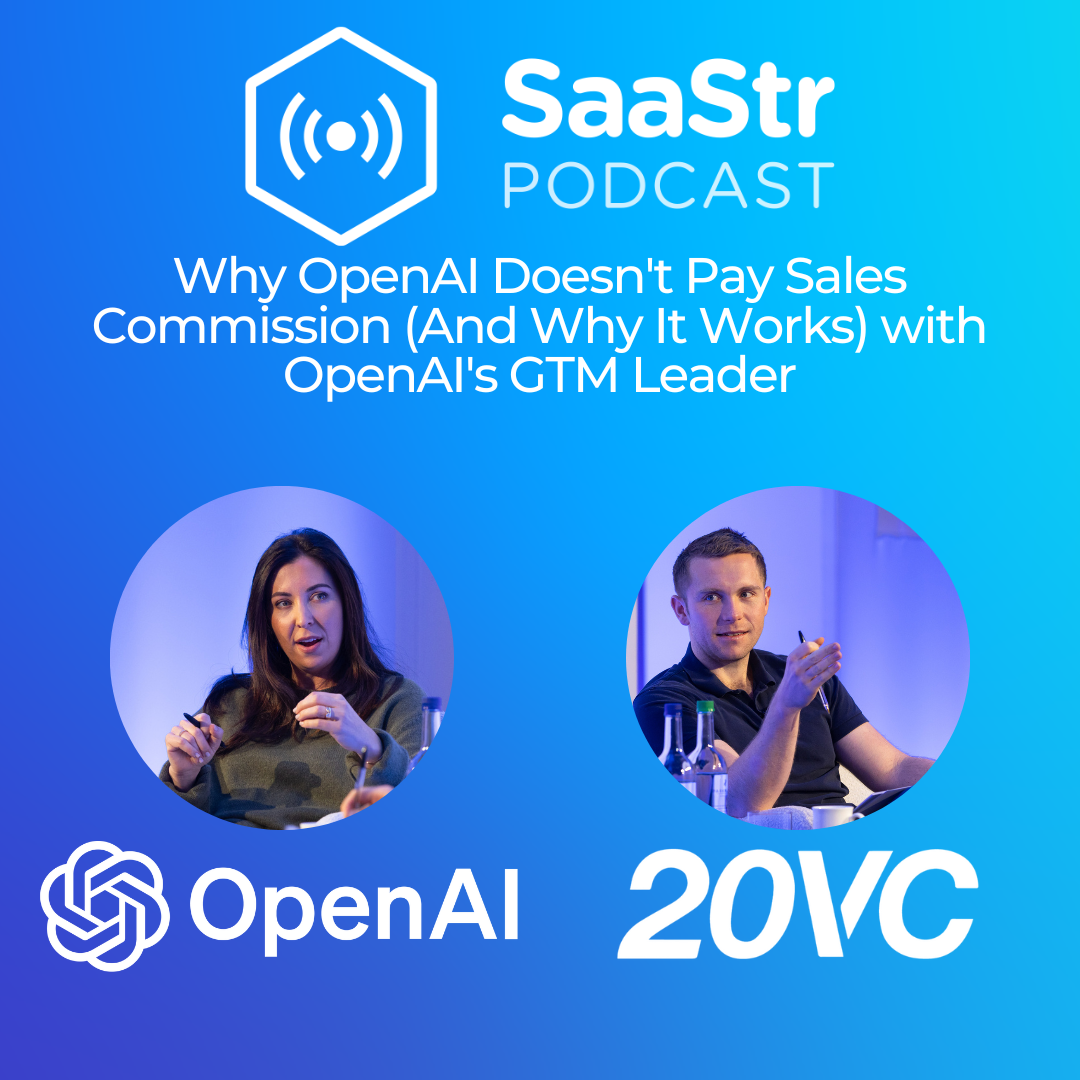
The fastest career acceleration comes from being inside a hyper-growth company, regardless of your initial title. The experience gained scaling a 'rocket ship' is far more valuable than a senior title at a slower-moving business. The speaker herself took a step down from Senior Director to an individual contributor role to join OpenAI.
The very best engineers optimize for their most precious asset: their time. They are less motivated by competing salary offers and more by the quality of the team, the problem they're solving, and the agency to build something meaningful without becoming a "cog" in a machine.