Get your free personalized podcast brief
We scan new podcasts and send you the top 5 insights daily.
Despite success, founder Kevin Wagstaff felt like an "imposter" as the company scaled beyond $10M ARR. He recognized his strengths were in the early, scrappy "bias to action" phase, not managing a larger organization. He proactively brought in a seasoned CEO better suited for the next stage of growth.

Related Insights
After achieving repeatability, the founder/CEO has a 'second job.' They must stop building and selling the product themselves and start building the company that does it for them. This means shifting from being the PM of the product to becoming the PM of the company.

Blippar's co-founder realized her skills were perfect for the startup-to-scale-up phase but that she became a bottleneck at scale. Her inability to delegate meant others were better suited to lead the scaled team. This self-awareness is crucial for founders to prevent stalling growth and empower their organization.

Around the $5 million revenue mark, a founder's primary responsibility shifts from operational tasks to talent acquisition. This transition to becoming a "collector of people" is often jarring but essential for scaling further, mirroring the biblical "fisher of men" concept applied to business.

Merge's founder believes a startup's first $10M in revenue can be achieved through the founders' sheer force of will. However, scaling to $100M requires a fundamental shift: building a strong leadership team, focusing on enterprise sales, and creating scalable systems—a completely different company.

To scale his company Exit Five, the founder (the "Visionary") promoted his COO to CEO (the "Integrator"). This structure, from the book *Traction*, allows the creator to focus on ideas and content while the operator runs the business, manages the team, and implements processes.

A founder's role is constantly changing—from individual contributor to manager to culture builder. Success requires being self-aware enough to recognize you're always in a new, unfamiliar role you're not yet good at. Sticking to the old job you mastered is a primary cause of failure to scale.

Counter to the modern "founder-led" mantra, a 20-year-old Matt Mullenweg hired an experienced CEO to run Automattic. This "Google era" model prioritized veteran leadership to scale the company, allowing the young founder to focus on product before eventually taking back the reins.
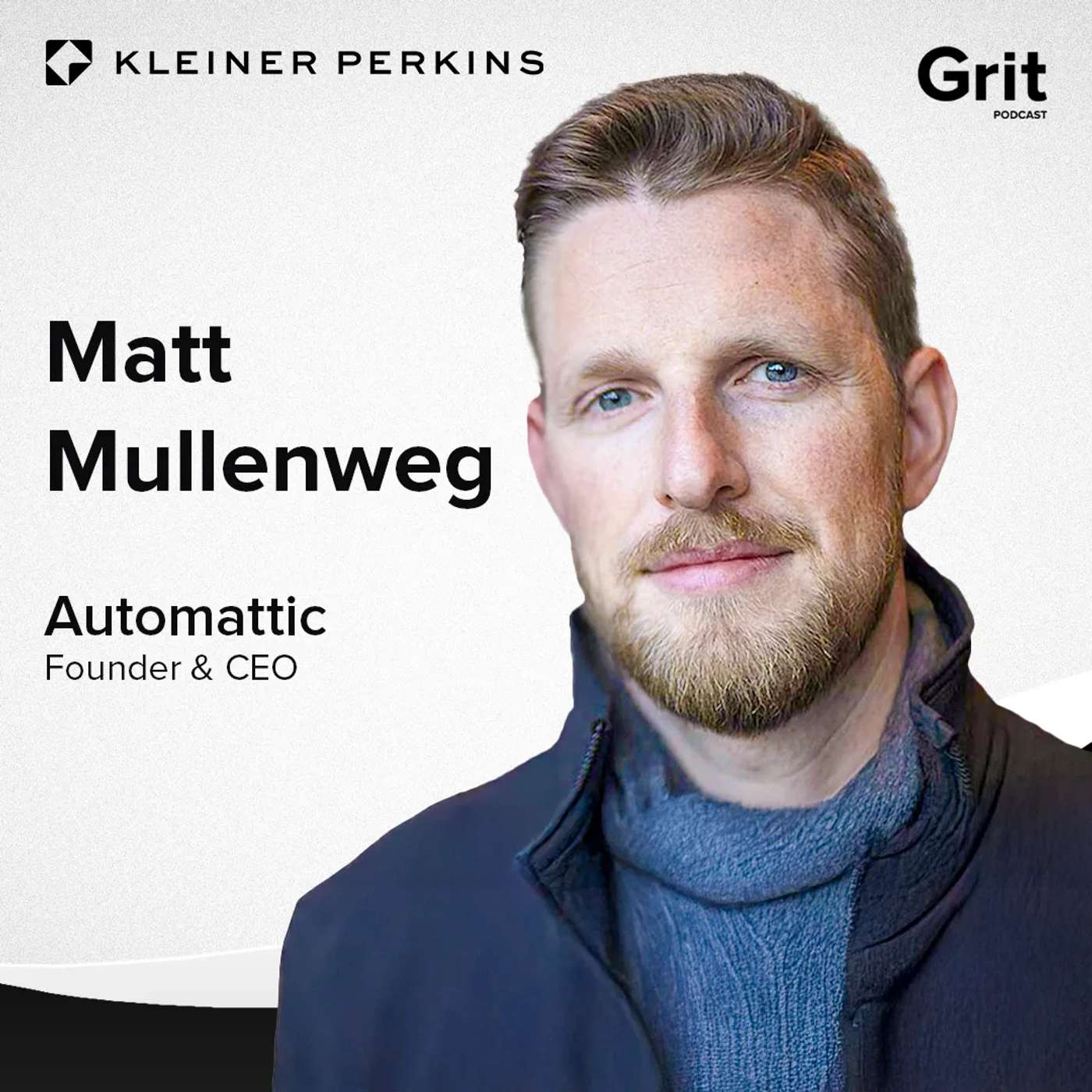
The founder hired an experienced CEO and then rotated through leadership roles in different departments (brand, product, tech). This created a self-designed, high-stakes apprenticeship, allowing him to learn every facet of the business from experts before confidently retaking the CEO role.

After eight years of grinding, the founder recognized he had taken the company as far as his skillset allowed. Instead of clinging to control, he proactively sought an external CEO with the business acumen he lacked, viewing the hire as a "life preserver" to rocket-ship the company's growth.

Bumble's founder believes the initial, all-consuming obsession is critical for getting a startup off the ground. However, this same intensity becomes a liability as the company matures. Leaders must evolve and create distance to gain the perspective needed for long-term growth and to avoid stifling opportunity.
