Get your free personalized podcast brief
We scan new podcasts and send you the top 5 insights daily.
Many leaders focus on Machiavelli's preference for fear over love, missing his actual advice: the ideal is to be both. The belief that a nation or leader cannot inspire both fear and love simultaneously is a significant failing, leading to an over-reliance on coercion rather than a balanced strategy.

Related Insights
Machiavelli's focus on indirect rule and the 'effectual truth' behind public statements encourages a conspiratorial mindset. By teaching that politics is what happens 'behind the scenes,' he primes people to distrust stated principles and seek hidden motives, a hallmark of modern conspiracy theories.

The most powerful war rhetoric, historically, does not focus on the act of war itself but on the peace and way of life that the conflict aims to protect. By framing the stakes as the potential loss of culture, democracy, and decency, leaders create a deeper emotional connection, making listeners fear the loss of their world, not just the loss of a battle.
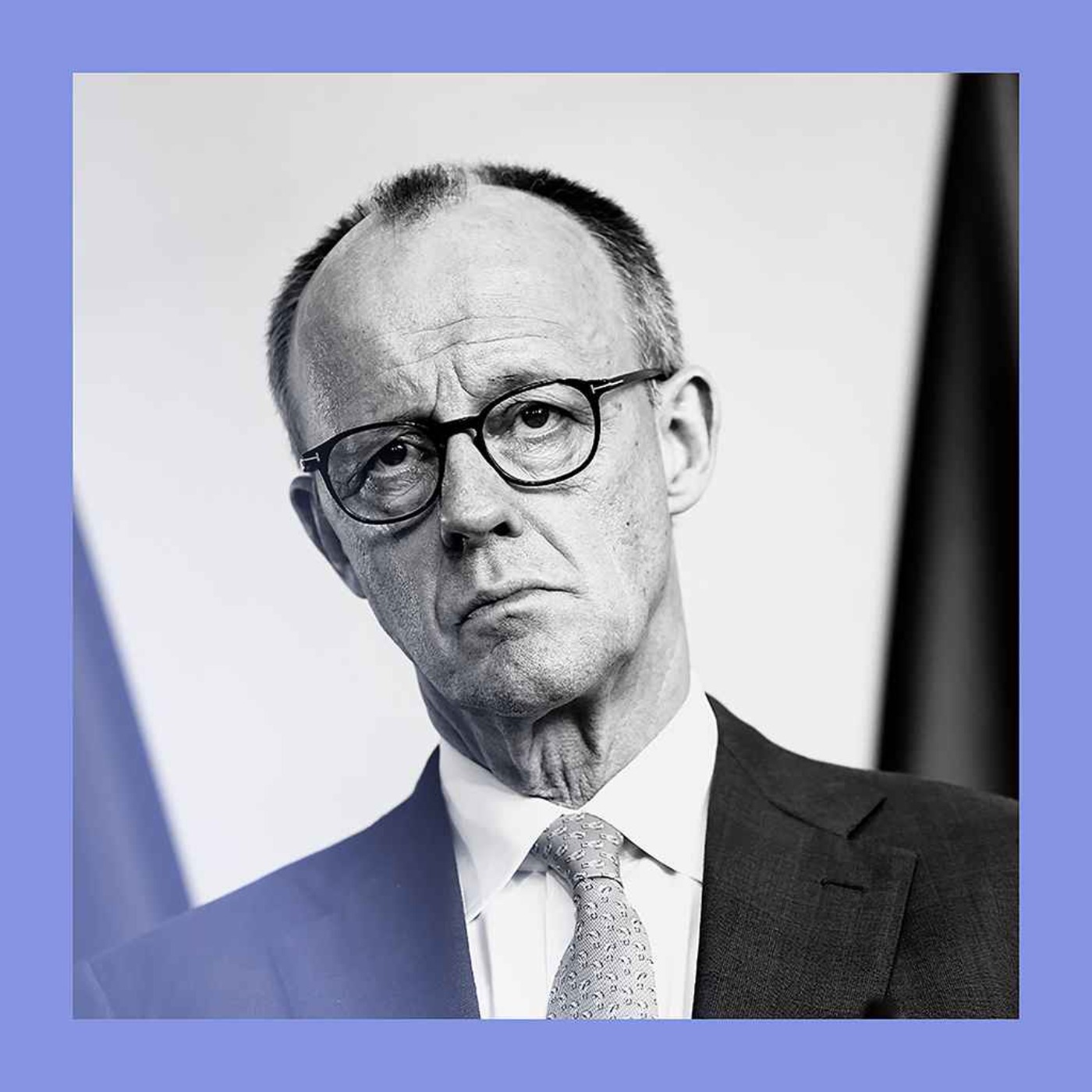
Avoid committing to a single leadership style. Instead, view different approaches (e.g., empathetic vs. autocratic) as tools in a toolkit. A skilled leader knows which tool is appropriate for a given situation, even if it's not their default preference.

Harvey Mansfield posits that Machiavelli’s focus on the actual outcome or 'effectual truth' of an action, rather than its stated intent, laid the groundwork for the fact-based, cause-and-effect reasoning central to modern science.
There's a fundamental difference in how people build influence. Manipulative "political operators" collect allies for short-term, transactional gain. In contrast, genuine leaders invest in building deep, transformational relationships based on mutual trust and respect.

In geopolitical analysis, considering an opponent's perspective—like why Iran's leaders can't show weakness—is often wrongly labeled as sympathizing. This strategic empathy is vital for predicting actions, as adversaries act based on their own values and pressures, not ours.

Judging leaders requires a dual framework. One must understand the world as it *is*—a messy place of power dynamics and flawed humans—while also aspiring to how it *ought* to be. Ignoring either perspective leads to a flawed analysis, creating either cynicism or naivety.

In corporate settings, leaders are often urged to be 'tougher'. However, investing emotion and compassion builds deep trust and loyalty, which is a far more powerful and sustainable motivator than authority. This approach should not be mistaken for weakness.

People are drawn to leaders who project absolute certainty because the human mind abhors confusion. This explains why bombastic figures often attract large followings, while nuanced thinkers who present complexity and are open to changing their minds struggle for similar traction.

Many leaders focus on having the correct analysis. However, true leadership requires understanding that being right is useless if you can't persuade and influence others. The most successful leaders shift their focus from proving their correctness to finding the most effective way to communicate and achieve their goals.
