Get your free personalized podcast brief
We scan new podcasts and send you the top 5 insights daily.
The promise of a deregulated 'Singapore-on-Thames' post-Brexit has failed to materialize. Many EU regulations Brexiteers targeted, like the working time directive, remain UK law. This reveals that the true barriers to deregulation were not Brussels, but powerful domestic vested interests that UK politicians are unwilling to challenge.

Related Insights
The post-Brexit trade deal avoided major tariffs, but the real economic harm came from non-tariff barriers. The introduction of complex paperwork, customs forms, and 'rules of origin' created a bureaucratic hurdle that large firms could handle but forced 16,000 smaller exporters to abandon the EU market.
Despite promises, widespread deregulation post-Brexit hasn't happened. However, the UK's AI sector is thriving by projecting a pro-innovation 'vibe' that feels freer than Brussels' stringent AI Act. This perception is a powerful magnet for venture capital and tech startups, proving that branding can be as important as policy.
The UK's decline from a top global economy to a "standout weak performer" is attributed to two catastrophic policy decisions. First, implementing austerity during a decade of zero interest rates, when it should have invested for free. Second, the poorly executed economic policy of Brexit, which further hampered growth.

Brexit was sold on the fantasy that sovereignty would grant the UK immense new global choices. In reality, the UK faces the same economic challenges as continental Europe but without the scale of the EU bloc, exposing its status as a minor power.

A primary driver of the Leave vote was to 'take back control' of immigration. Ironically, the post-Brexit Conservative government, led by Boris Johnson, presided over a massive surge in non-EU immigration. In 2023, over a million non-EU people arrived, alienating the very voters the campaign had targeted.
Alan Chang argues the primary reason for the UK's high energy costs is not a lack of investment capital, but suffocating regulation. He cites needing to conduct multi-year 'wintering bird surveys' before a power plant can be built, making physical construction prohibitively slow and difficult.

Despite claiming growth is its top mission, the UK government is pursuing anti-growth measures. These include making permanent residency harder to obtain, which limits skilled migration, and passing employment bills that increase the difficulty and cost of hiring, directly undermining business expansion.
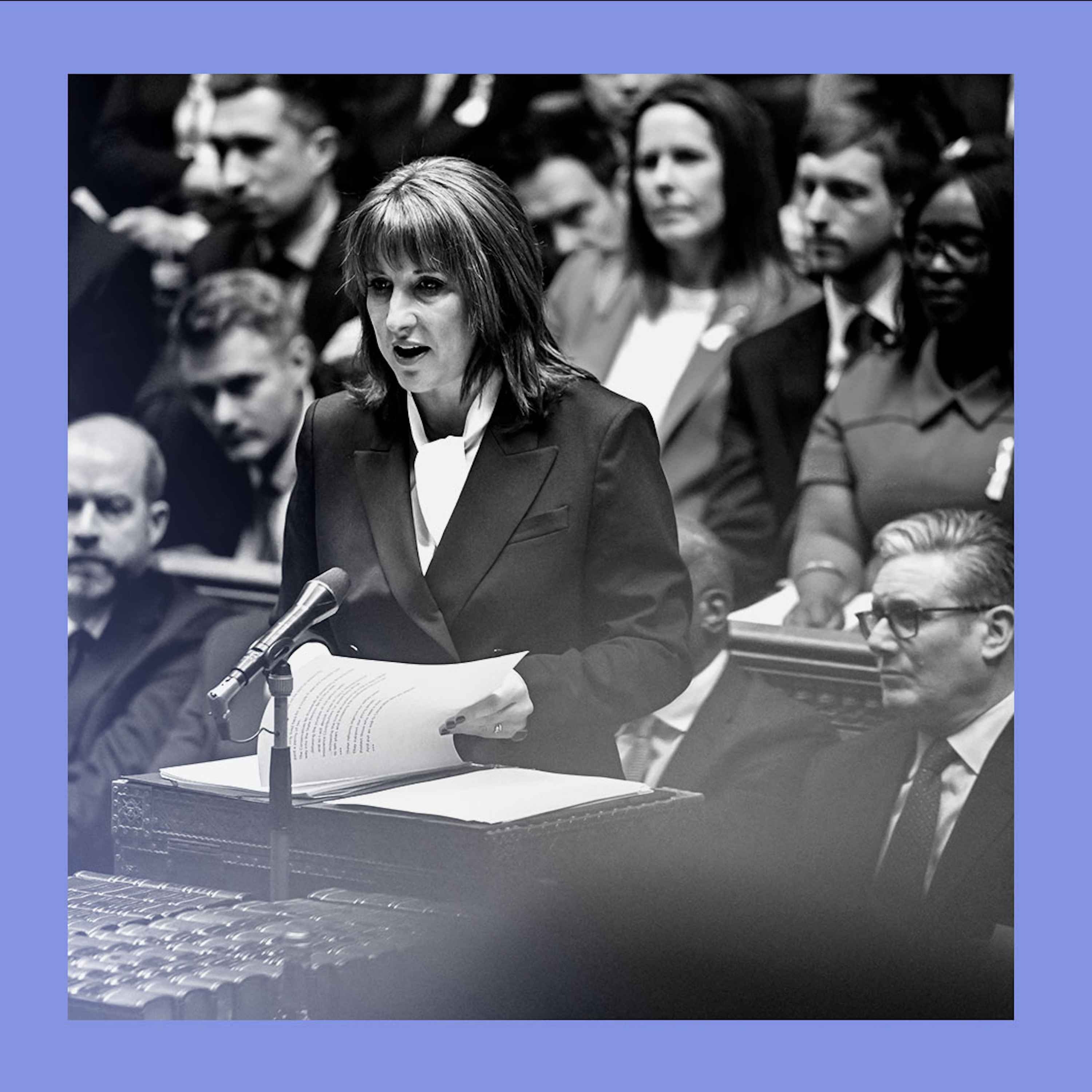
The direct economic impact of Brexit is debatable, but the podcast identifies a less tangible, profound cost: a decade of lost focus. Britain's political and civil service resources were consumed by negotiating and mitigating Brexit, preventing the country from addressing other pressing global and domestic issues.
Contrary to the goal of forging a distinct identity, Britain has seen several social and political trends converge with European norms since 2016. This includes falling birth rates, young adults living at home longer, and stricter employment and renters' rights—mirroring a European social model rather than the deregulated, US-style economy some Brexiteers had envisioned.
The UK's rapid turnover of prime ministers, including Keir Starmer's resignation, isn't just political drama. It's a direct consequence of the country's failure to generate economic growth after Brexit, leading to public anger and institutional distrust despite having strong foundational assets.
