Get your free personalized podcast brief
We scan new podcasts and send you the top 5 insights daily.
Many teams are caught in the 'messy middle' of AI, using it without clear objectives. The principle is that AI used for its own sake, without a direct line to business results, is a distraction. Great marketing teams must be obsessed with outcomes and use AI as a tool to achieve them.

Related Insights
The success of AI in marketing should not be measured by the quantity of content or ideas generated, which can create chaos. Instead, leaders must track its impact on core business metrics like revenue growth and operational efficiency. The goal is enabling a 10-person team to operate with the impact of a 100-person team.
If your team cannot articulate the specific business outcome of their AI usage in a single sentence, you don't have an AI strategy. You simply have 'token maxing'—usage for the sake of usage. This framework forces a direct link between AI spend and business results.

Marketers win with AI not by making existing tasks faster, but by using it to unlock new growth opportunities. The focus should be on game-changing programs that drive revenue, rather than on simply achieving incremental efficiency gains.

Rushing to adopt AI tools without a clear strategy and established workflows leads to chaos, not efficiency. AI should be the fourth step in a system, used to strategically uplevel your team and enhance proven processes, rather than just creating more noise or automating a broken system.

The 'campaign' is a human construct for managing and measuring work. AI will allow a shift away from this project-based unit. Marketing can evolve to focus directly on high-level business outcomes, like quarterly revenue, with AI dynamically orchestrating all the always-on activities required to hit that goal.

The primary role of AI in marketing isn't to replace creative work but to automate the complex process of understanding customer behavior. AI systems continuously analyze data to answer critical questions about conversion, value, and budget waste, freeing up humans for strategic tasks.
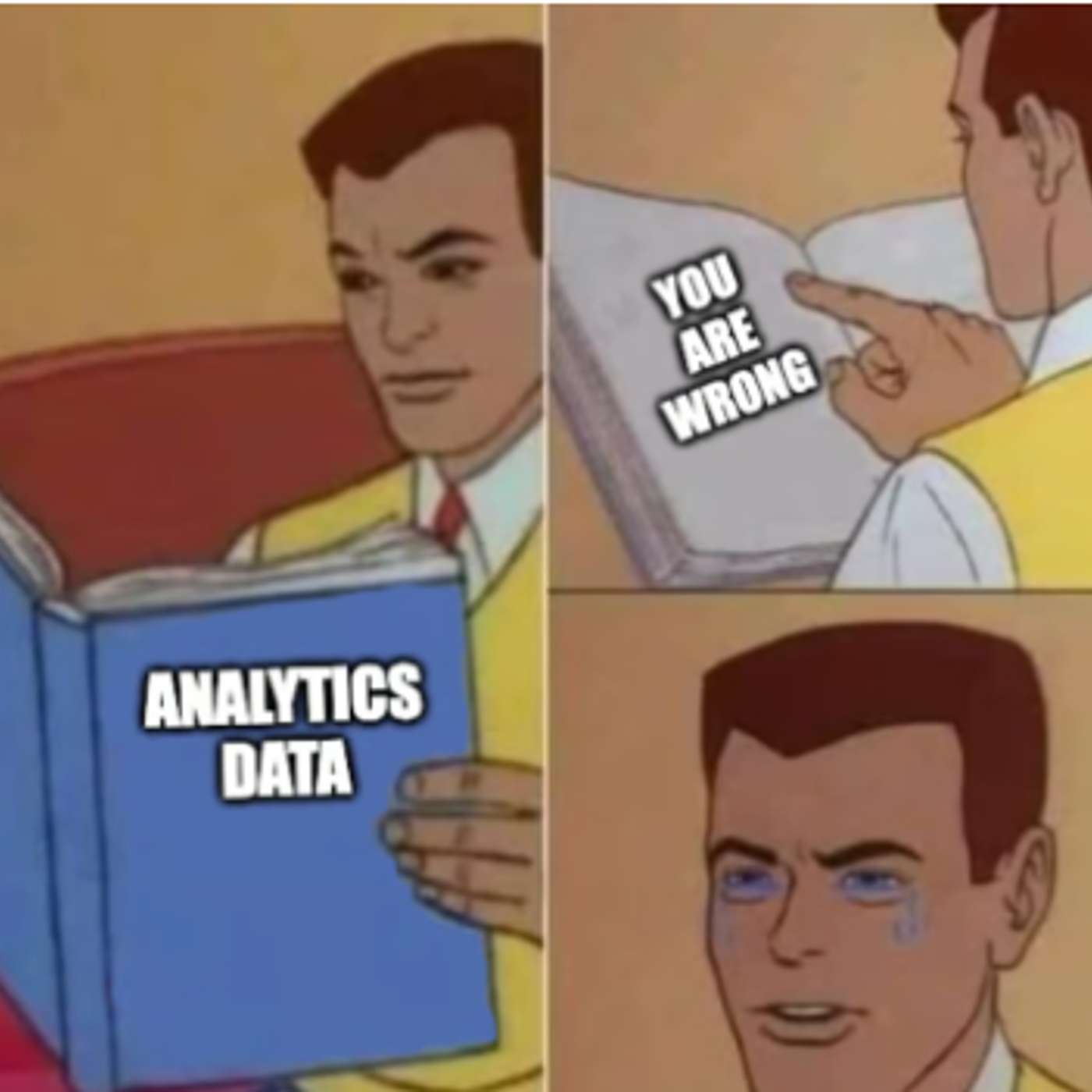
As AI bots inflate engagement metrics like views and likes, these numbers will become meaningless. The only way to measure marketing success will be to track direct business outcomes, such as sales or leads. If the desired results happen, the inflated metrics don't matter.

Marketing leaders mistakenly focus on the percentage of their team using AI, which is a flawed metric. Usage doesn't correlate with impact or quality of work. The focus should be on how AI is used to achieve specific, measurable outcomes, not on adoption for its own sake.
While AI tools dramatically increase content production speed, true ROI is not measured in output. Leaders should track incremental engagement, conversion lift, and revenue per message. An often overlooked KPI is brand consistency—how often content passes governance checks on the first try.

The best teams use AI to automate repetitive work, not to fix bad strategy or magically write great copy. This frees them up for high-value strategic and creative tasks, making marketing feel more human.
