Get your free personalized podcast brief
We scan new podcasts and send you the top 5 insights daily.
Across disparate deep-tech fields—utility-scale quantum computing, small modular nuclear reactors (SMRs), orbital data centers, and AGI—the target date for commercial viability consistently lands around 2030. This suggests a decade-defining technological convergence is on the horizon.
Related Insights
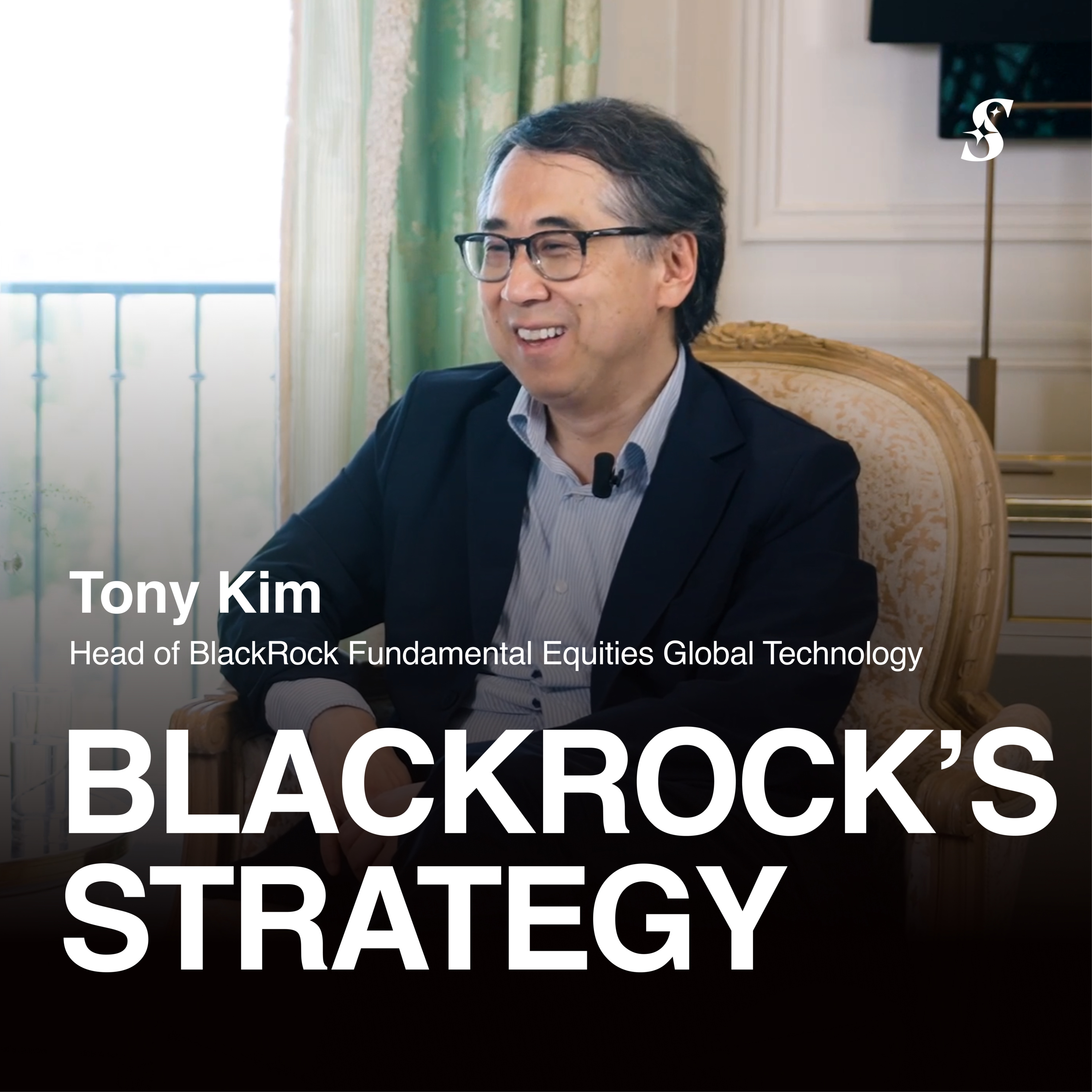
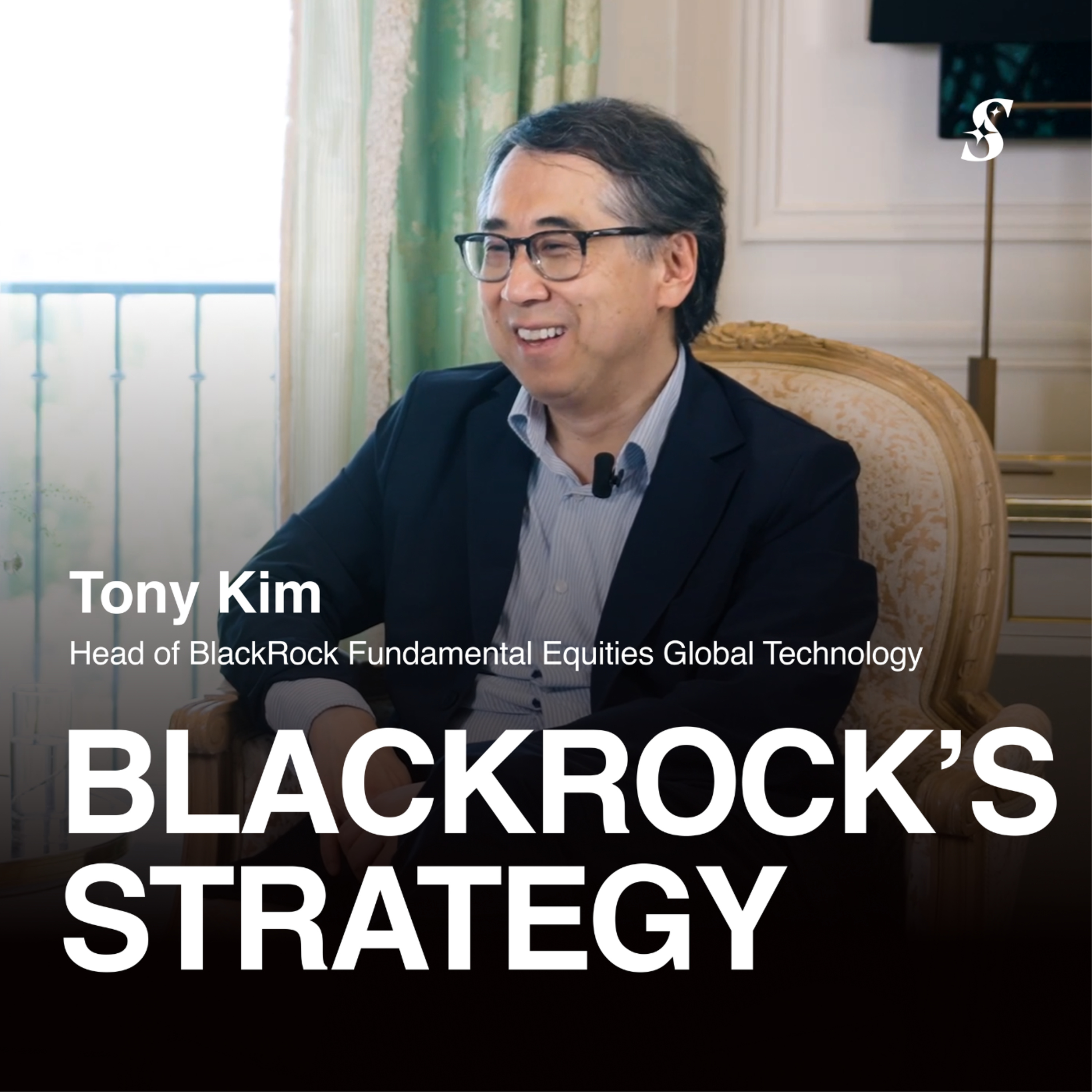
BlackRock's Tony Kim observes that many frontier technologies, from quantum computing and AGI to small nuclear reactors and data centers in space, are independently targeting 2030 for major breakthroughs. This convergence suggests a potential step-change in technological capabilities around that time.
Projections based on SpaceX's launch cost reductions indicate that deploying AI data centers in space will become as economical as building them on Earth by 2035. This transforms a science fiction concept into a near-term business reality, driven by advantages like superior cooling and unlimited solar power.

The recurring prediction that a transformative technology (fusion, quantum, AGI) is "a decade away" is a strategic sweet spot. The timeframe is long enough to generate excitement and investment, yet distant enough that by the time it arrives, everyone will have forgotten the original forecast, avoiding accountability.

Despite significant geopolitical risks, an equally plausible optimistic scenario exists. Transformative general platform technologies like AGI, quantum computing, and synthetic biology are nearing commercial scale, potentially creating a productivity boom that could offset debt headwinds and turbocharge the economy.

No longer just a theoretical concept, quantum computing has transitioned from a physics problem to an engineering and scaling challenge. With multiple qubit modalities and error correction now proven, meaningful results that solve currently intractable problems in chemistry and logistics are expected within this decade.

The long-promised arrival of practical quantum computing is getting closer due to a two-sided convergence. Software advancements are drastically reducing the number of qubits needed for useful calculations, while hardware progress is rapidly increasing the number of physical qubits available, with the two projected to meet around 2030.

The convergence of AI, robotics, and other exponential technologies will create a world by 2030 that operates on principles we can't currently comprehend. Traditional economic models and predictions will become obsolete, creating an "economic singularity."

The current pace of AI development is not just accelerating progress, it's a time compression event. Innovations previously projected for the 2030s and 2040s are being realized now, fundamentally shortening strategic planning horizons and forcing companies to adapt at an unprecedented speed.

Leaders from Google, Nvidia, and SpaceX are proposing a shift of computational infrastructure to space. Google's Project Suncatcher aims to harness immense solar power for ML, while Elon Musk suggests lunar craters are ideal for quantum computing. Space is becoming the next frontier for core tech infrastructure, not just exploration.

Arvind Krishna expresses 100% confidence that quantum computers will be useful between 2028-2030. He frames the challenge as a manageable 10x improvement in both scale and error correction from today's prototypes, projecting a 'hundreds of billions' market opportunity for IBM.