Get your free personalized podcast brief
We scan new podcasts and send you the top 5 insights daily.
After being expelled from the BC Conservative Party, politician Dallas Brody co-founded a new party, only to be temporarily thrown out of it as well. She attributes this to a "woke right" faction that, in her view, mirrors the progressive left's tactics of enforcing ideological purity and punishing dissent.

Related Insights
A faction on the right is adopting the language of oppression and victimhood, creating a "woke right." If mainstream conservatives fail to reject this identitarian fringe, they risk polluting their entire movement and losing the support of the moderate majority, repeating the same mistake that damaged the left.

Unlike established systems with clear rules (like Christianity), the modern left operates on "vague vibes" of ideological purity. This lack of a self-regulation mechanism creates a constant pressure to prove loyalty through extremism. As standards escalate, anyone who could provide a moderating influence is purged, leading to an endless cycle of radicalization.

The most significant threat to a political ideology comes not from the opposing party, but from the 'lunatics' on its own side. These extreme factions can make the entire group appear foolish and unreasonable, doing more damage to their credibility than any opponent ever could.

Charlie Kirk's political power grew by strategically positioning himself as a direct opponent to the "woke movement" and "cancel culture" on college campuses. This narrative was highly effective in persuading conservative donors that his confrontational approach was a necessary fight, turning cultural discourse into a powerful fundraising mechanism.
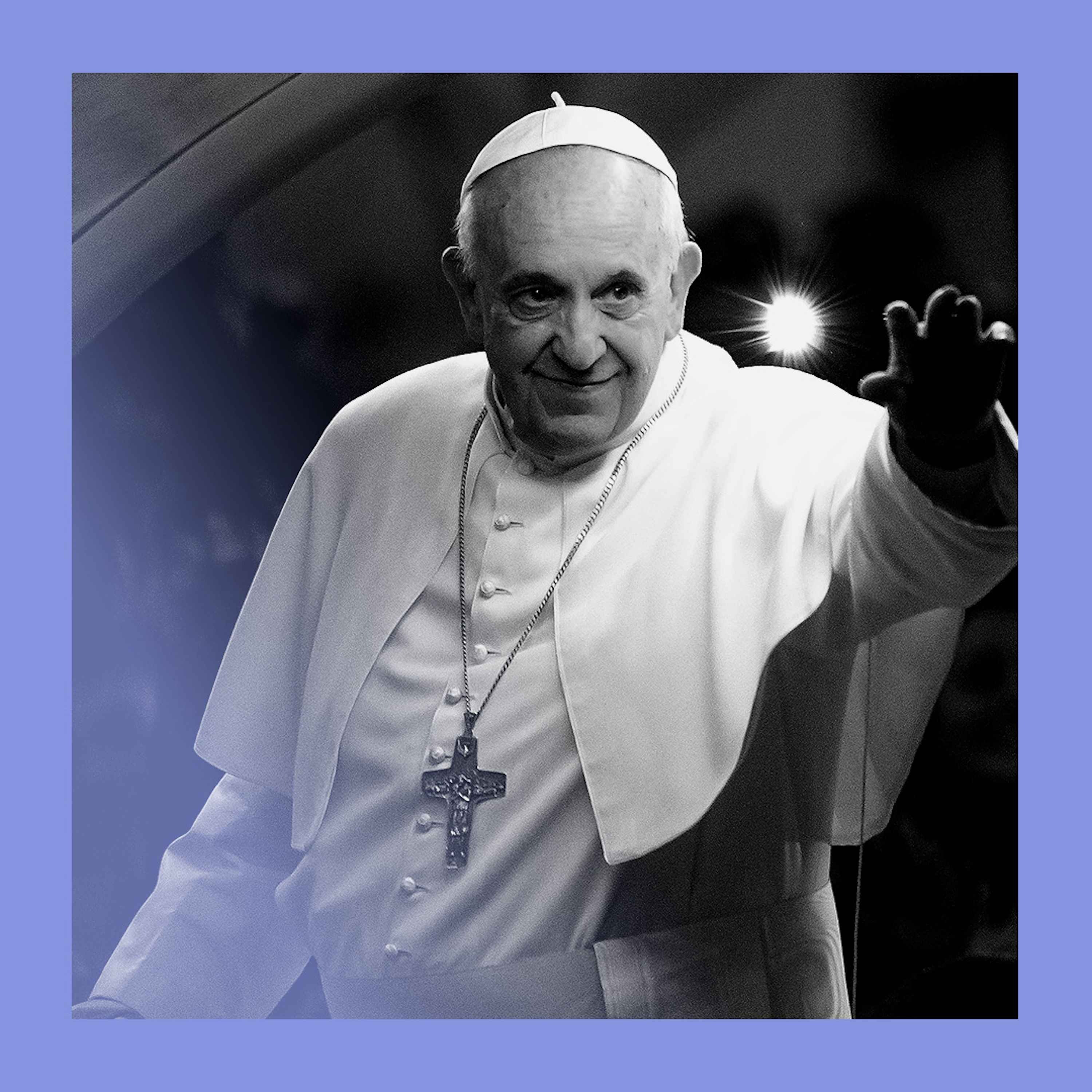
A fringe element of the political right is beginning to mirror the 'woke left' by adopting similar tactics. This includes a focus on identity-based victimhood narratives and a preference for destroying and deplatforming opponents rather than engaging them in genuine debate.

A savvy political strategy involves forcing opponents to publicly address the most extreme statements from their ideological allies. This creates an impossible purity test. No answer is good enough for the fringe, and any attempt to placate them alienates the mainstream, effectively creating a schism that benefits the opposing party.

In a surprising move, the BC Conservatives appointed Alia Warbus, an Indigenous transgender activist, as their House Leader. This highlights the immense pressure within BC's political landscape for all parties, regardless of ideology, to signal allegiance to progressive causes like trans activism and Indigenous reconciliation.
The BC Conservative Party's rapid rise was followed by an equally rapid collapse. In a bid for mainstream electability, its leadership recruited candidates from a collapsing centre-right party. This created a caucus of "dogs and cats" with fundamentally opposed views on cultural issues, leading to infighting and paralysis.
The notion that identitarianism is exclusive to the left ("woke") is outdated. A powerful, mirrored version has solidified on the right ("Groypers"), indicating that identity-based politics has become a central, and polarizing, framework across the entire political spectrum.
In Canada, party leaders can directly approve or reject local candidates, a stark contrast to the US primary system. This allows leaders to prioritize "electability" by installing moderate candidates, but as seen with BC's Conservatives, this can destroy a party's ideological foundation and lead to internal collapse.