Get your free personalized podcast brief
We scan new podcasts and send you the top 5 insights daily.
Sustaining an employee-owned model for over a decade frees life sciences ventures from traditional venture capital growth pressures. This self-funded corporate structure allows leadership to retain strategic autonomy and make decisions based on what best serves the patient.

Related Insights
Departing from industry norms, Curie.Bio intentionally allocates a large equity stake to founders. They see this not just as fair but as a utilitarian strategy to gain a competitive advantage in sourcing the rarest and most valuable scientific ideas, which ultimately drives fund returns.

The most powerful incentive for increasing employee ownership is to make founder exits to their employees tax-free. This aligns financial self-interest with a social good, making it more profitable for a founder to sell to their team than to private equity.

A founder who hoped to one day sell his company to employees was advised to start now. Implementing an Employee Stock Ownership Plan (ESOP) early aligns the team with the long-term mission, shares the burdens of entrepreneurship, and builds a sustainable, purpose-driven culture from the beginning.

To humanize R&D and maintain motivation, biotech leaders bring patients into the company. This practice directly connects scientists with the human impact of their work, grounding the entire team in their shared purpose, especially on difficult days.

Unlike publicly traded competitors, Servier's non-profit foundation ownership insulates it from short-term investor pressures. This freedom enables a long-term strategic focus, allowing the company to pursue high-risk, scientifically complex areas like rare oncology that public companies often cannot justify to shareholders.

Founder Peter Daring deliberately avoids outside investors to protect Peak Design's core mission: for employees to live "happy and meaningful lives." This employee-forward culture is prioritized over the growth-at-all-costs pressure that comes with external capital, shaping every business decision.
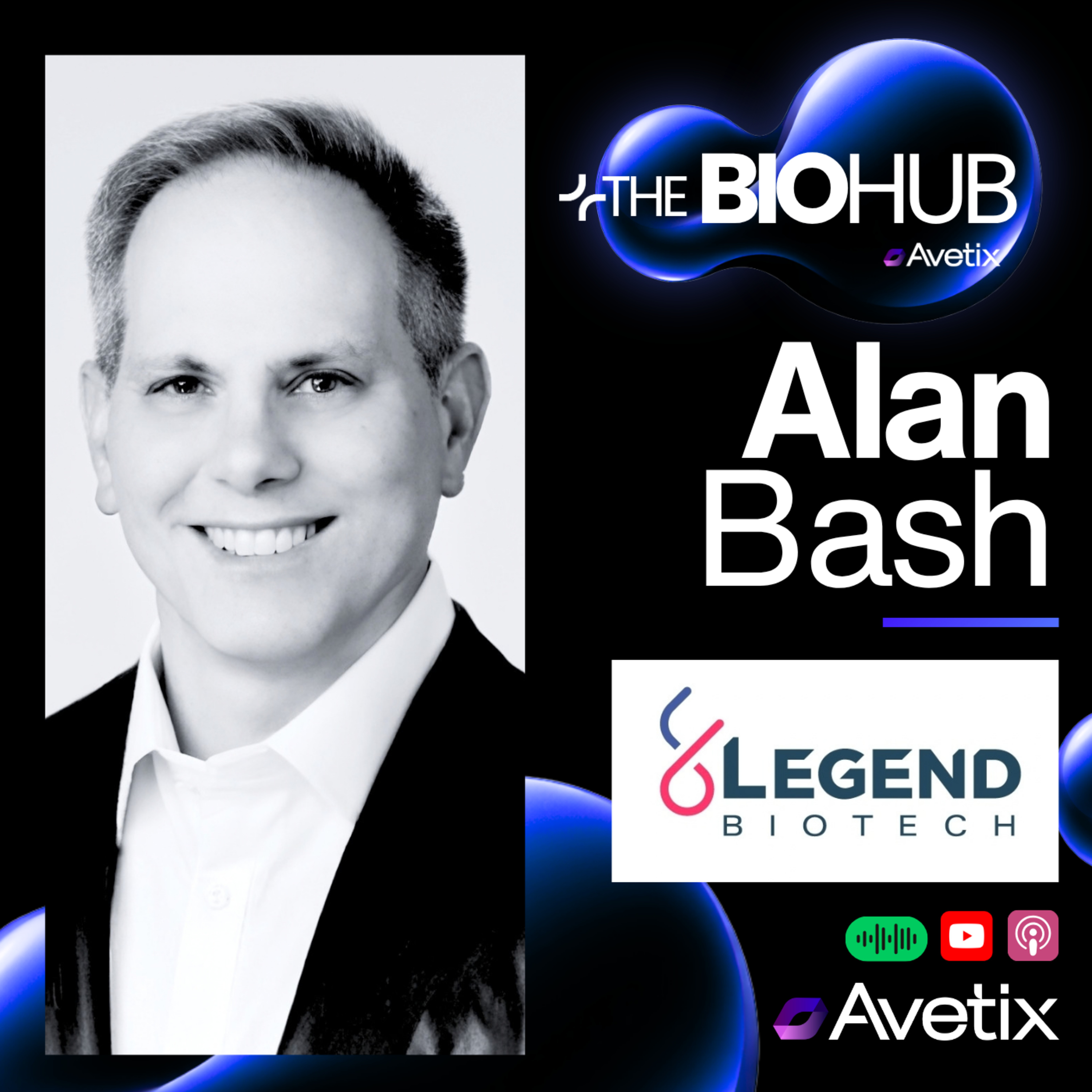
To avoid bureaucratic slowdowns as it scales, Legend Biotech maintains its nimble "startup" culture by constantly focusing the team on patient needs. This patient-centricity, combined with efficient leadership decision-making, ensures the company operates with speed and purpose despite its large size.
Taking institutional money early introduces reporting requirements and board-level pressures that can pull a founder away from their core vision. Christina Tosi advises finding creative ways to fund growth to retain choice and focus on the entrepreneurial mission.
By not taking VC funding, Surge avoids pressure to optimize for short-term, board-pleasing metrics like user engagement. This freedom allows the company to focus on a longer-term vision of building AI that genuinely enhances human capabilities, rather than falling into common Silicon Valley optimization traps.

The transition from academia to a startup can be viewed as an acceleration of the same mission. While academic grants are written about solving problems for millions, building a company offers a direct, focused, and "freeing" path to actually delivering a solution to those patients, who serve as the consistent "North Star" across both worlds.
