Get your free personalized podcast brief
We scan new podcasts and send you the top 5 insights daily.
The most powerful incentive for increasing employee ownership is to make founder exits to their employees tax-free. This aligns financial self-interest with a social good, making it more profitable for a founder to sell to their team than to private equity.

Related Insights
ElevenLabs raised a $100M round entirely for employee secondaries. The CEO's rationale is that by allowing early team members to de-risk and realize financial gains, it solidifies their commitment to the company's multi-year mission rather than creating pressure for a quick exit.
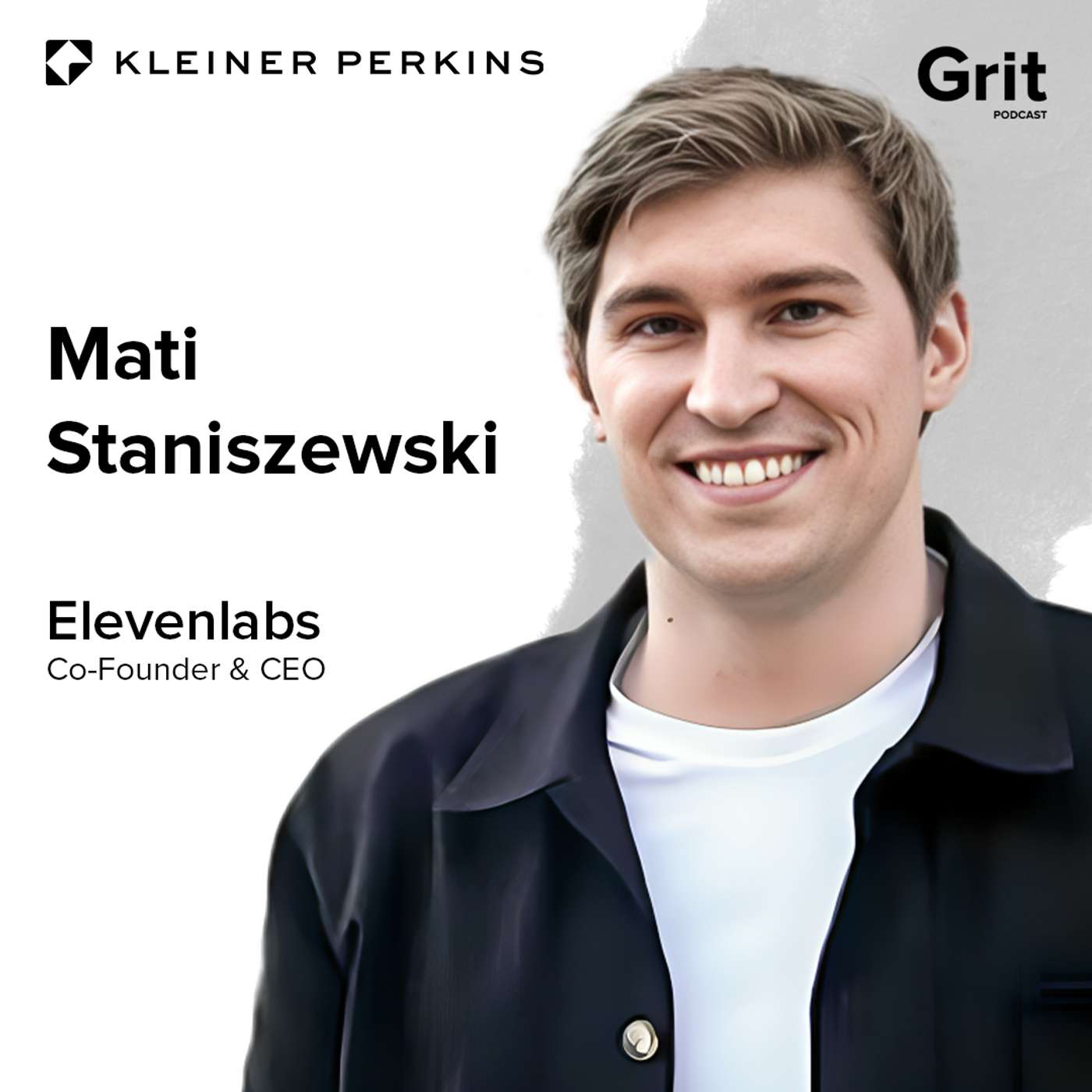
A founder who hoped to one day sell his company to employees was advised to start now. Implementing an Employee Stock Ownership Plan (ESOP) early aligns the team with the long-term mission, shares the burdens of entrepreneurship, and builds a sustainable, purpose-driven culture from the beginning.

To prevent the next generation of leaders from being burdened by debt, WCM's founders transfer their ownership stakes at book value—not market value. This massive personal financial sacrifice is designed to ensure the firm's long-term health and stability over founder enrichment.
![[REPLAY] Paul Black and Mike Trigg – How to Build a $100B Money Manager (Capital Allocators, EP.227) thumbnail](https://static.libsyn.com/p/assets/f/b/7/6/fb76e1c8bfb69e8dd959afa2a1bf1c87/CA_Square_logo_light_background_6.26.24.jpg)
Granting stock options is only half the battle. To make equity a powerful motivator, leaders must constantly communicate a clear and believable narrative for a future liquidity event, such as an acquisition. This vision is what transforms paper ownership into a tangible and valuable incentive in the minds of employees.

While bonuses tied to revenue incentivize employees to perform specific tasks, they are purely transactional. Granting stock options makes team members think holistically about the entire business's long-term health, from strategic opportunities to small cost savings, creating true psychological ownership.
Elon Musk's ambitious, performance-tied compensation plan isn't just about Tesla. It establishes a powerful precedent for other founders, like those at late-stage unicorns, to negotiate for massive new equity grants by tying them to audacious growth targets, reshaping founder incentive structures.

A business transitions from a founder-dependent "practice" to a scalable "enterprise" only when the founder shares wealth and recognition. Failing to provide equity and public credit prevents attracting and retaining the talent needed for growth, as top performers will leave to become owners themselves.

When a growth company stalls below IPO threshold and PE buyers are absent, the crucial move is to reignite the founder's motivation. An "Equity for Growth" (EFG) grant, tied to future performance, gives vested founders a new reason to pursue a second, multi-year act.
A service company's primary asset is its people. To prevent your best talent from leaving and becoming competitors, you must give them significant equity. This transforms their mindset from employee to owner, aligning their interests with the firm's long-term success and growth.
To retain founders who've already cashed out, use a dual incentive. Offer rollover equity in the new parent company for long-term alignment ('a second bite at the apple'), and a cash earn-out tied to short-term growth targets. This financial structure is crucial when managing wealthy, independent operators who don't need the job.
