Get your free personalized podcast brief
We scan new podcasts and send you the top 5 insights daily.
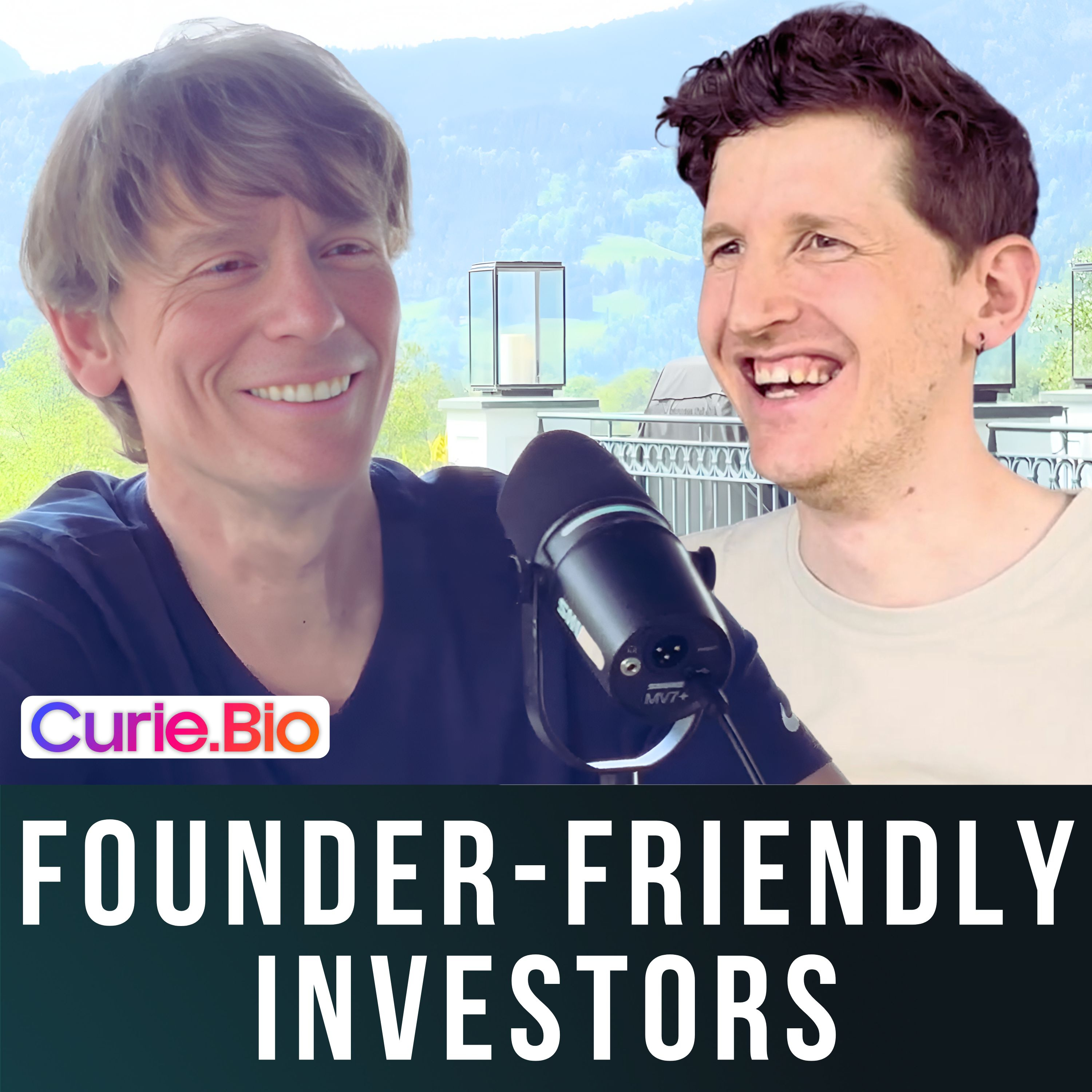
Departing from industry norms, Curie.Bio intentionally allocates a large equity stake to founders. They see this not just as fair but as a utilitarian strategy to gain a competitive advantage in sourcing the rarest and most valuable scientific ideas, which ultimately drives fund returns.
Related Insights
To solve the critical challenge of hiring expensive, specialized talent, Curie.Bio offers its portfolio companies access to a 100+ person team of elite "drug makers" on a fractional, at-cost basis. This provides world-class expertise on demand without the burden of full-time payroll, de-risking early development.
When an experienced founder starts a new venture based on their own vision, the equity split doesn't need to be 50/50. By framing it as 'my deal,' the primary founder can retain a supermajority (e.g., 80%) while giving a technical co-founder a smaller but still meaningful stake.

Beyond accelerators, pure investors, and traditional company builders, this new VC model provides "hardcore primary data generation drug making support." It involves a team of 10+ experts engaging with a startup multiple times per day, offering an intensity of operational involvement that other models lack.
Unlike venture creation firms that generate ideas internally, Curie.bio operates on a 'Freedom for Founders' principle. It believes the best ideas come from external innovators and its role is to augment them with capital-efficient support, fractional expertise, and operational help to translate those ideas into companies.

By defining the entrepreneur as the primary customer, a VC firm changes its entire operating model. This customer-centric view informs decisions on partner incentives (removing attribution), community building, and support services. The result is a powerful brand that attracts the best founders and generates high-fidelity deal flow through referrals.
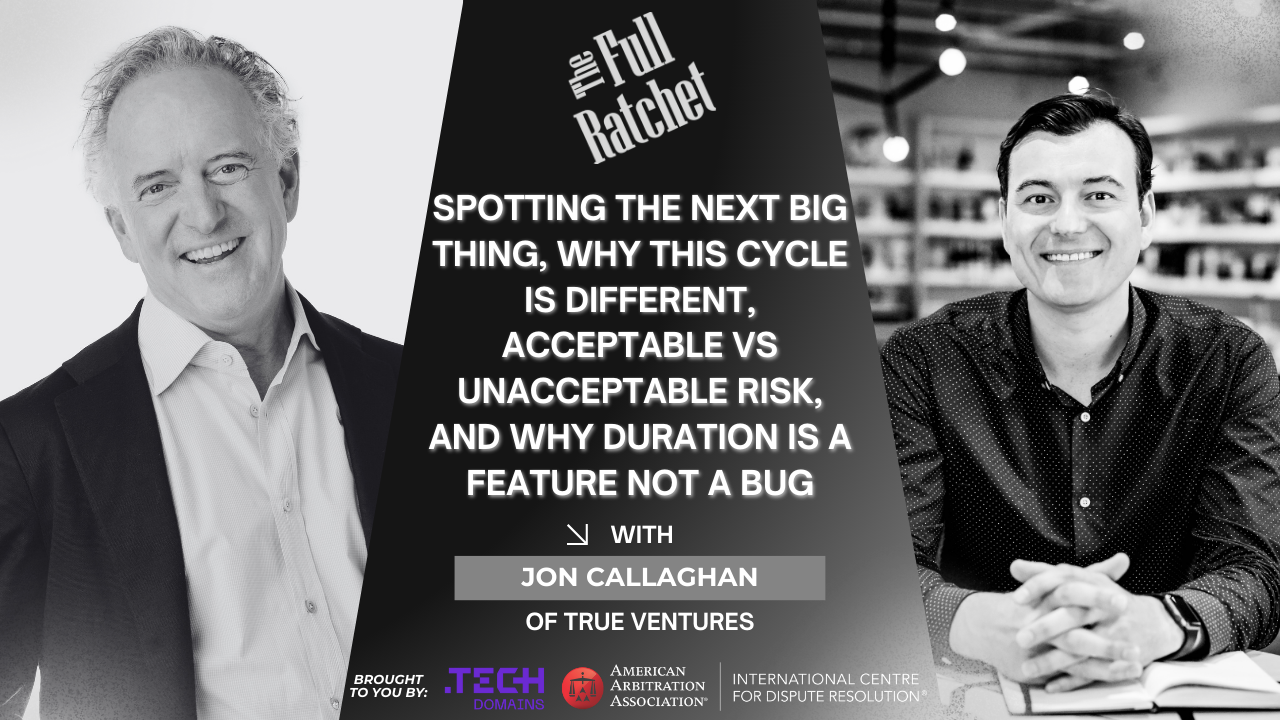
A 50/50 equity split should not be the default. The conversation must focus on what unique, "unfair advantages" each founder brings to the table. This could be a significant pre-built audience, a deep professional network, or personal capital. The idea itself is rarely worth any equity.

Large, contrarian investments feel like career risk to partners in a traditional VC firm, leading to bureaucracy and diluted conviction. Founder-led firms with small, centralized decision-making teams can operate with more decisiveness, enabling them to make the bold, potentially firm-defining bets that consensus-driven partnerships would avoid.

In early-stage investing, the quality of the founder can be more important than the initial business concept. A strong founder is seen as someone who will eventually find success, even if the first idea requires a pivot.
Startups need elite talent to succeed but can't afford or attract it. Curie.bio solves this by providing its portfolio companies with on-demand, fractional access to a team of over 100 world-class drug hunters. This allows founders to tap into top-tier expertise without incurring high fixed costs.
Europe's strong science is often held back by a lack of serial entrepreneurs, difficulty in raising follow-on funding, and a localized competitive view. Curie.Bio’s model directly counters these issues by providing an experienced drug-making team, a clear funding path, and an embedded global market perspective.